Thai food is one of the most diverse and recognizable cuisines in Southeast Asia.
It is known for combining contrasting flavors, aromatic herbs, fresh ingredients, different textures, and a wide range of cooking techniques.
But Thai cuisine is much broader than the dishes most commonly found on international menus.
There are regional specialties, street-food dishes, noodle preparations, curries, soups, salads, seafood, snacks, desserts, and contemporary interpretations of traditional flavors.
If you’re visiting Thailand for the first time, understanding the basics can make it much easier to decide what to order.
This Thai food guide introduces the main things to know before exploring Thai cuisine.
What Makes Thai Food Unique?
Thai cuisine is often recognized for the way different flavors are combined within a single dish.
Depending on the recipe, you may experience:
- Sweetness
- Sourness
- Saltiness
- Spice
- Bitterness
- Herbal aromas
- Savory flavors
The balance changes depending on the dish and region.
Lime can provide acidity.
Chili can add heat.
Fish sauce can contribute saltiness and savory depth.
Sugar can provide sweetness.
Fresh herbs and aromatics add fragrance.
The result is a cuisine where individual ingredients work together rather than simply providing one dominant flavor.
For a deeper explanation, read our guide to the five flavors of Thai food.
Thai Food Is More Than Pad Thai
Pad Thai is probably the Thai dish most familiar to international visitors.
However, it represents only one small part of Thai cuisine.
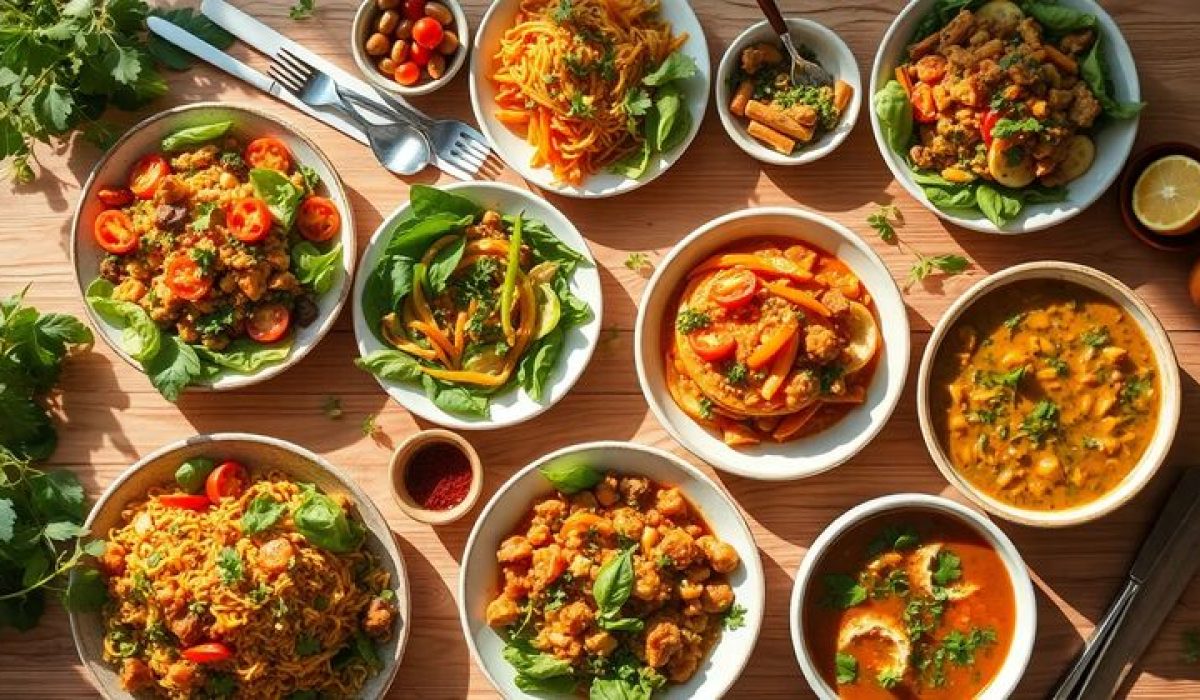
Thailand has many other noodle dishes, curries, soups, salads, grilled foods, rice dishes, and snacks.
Some dishes are spicy.
Others are mild.
Some are rich and creamy.
Others are fresh and light.
This variety is one of the best reasons to explore beyond the dishes you may already know.
Our guide to Thai dishes you must try provides a more focused introduction to some classic choices.
Understanding the Main Types of Thai Food
Thai cuisine includes a wide range of categories.
Curries
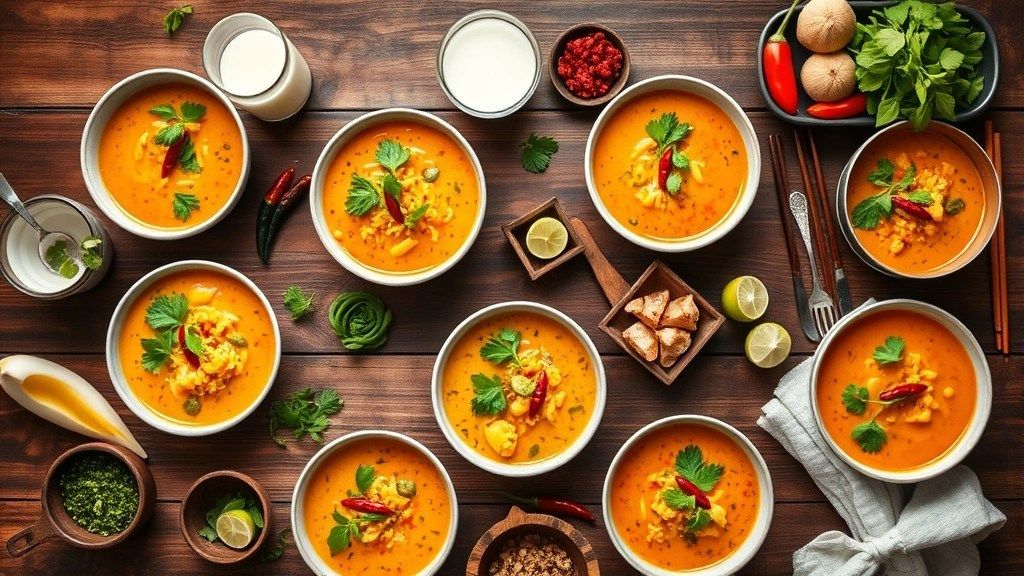
Thai curries can be creamy, rich, aromatic, or intensely spicy.
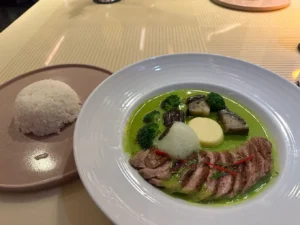
Green curry, red curry, panang curry, massaman curry, and regional curry styles all offer different experiences.
Soups
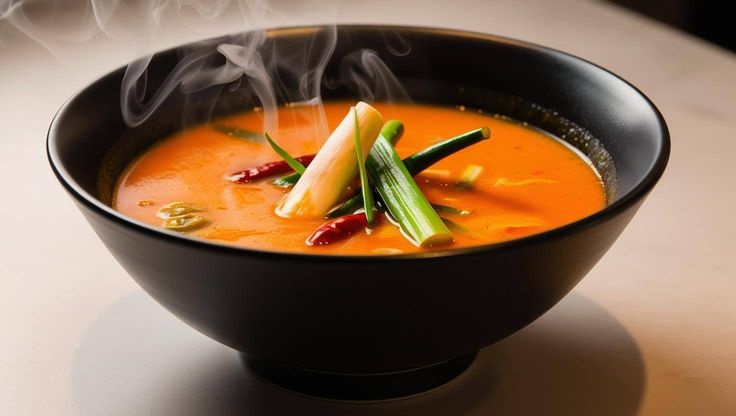
Tom Yum is one of the best-known Thai soups, but there are many other preparations featuring seafood, chicken, vegetables, herbs, coconut milk, and other ingredients.
Noodles
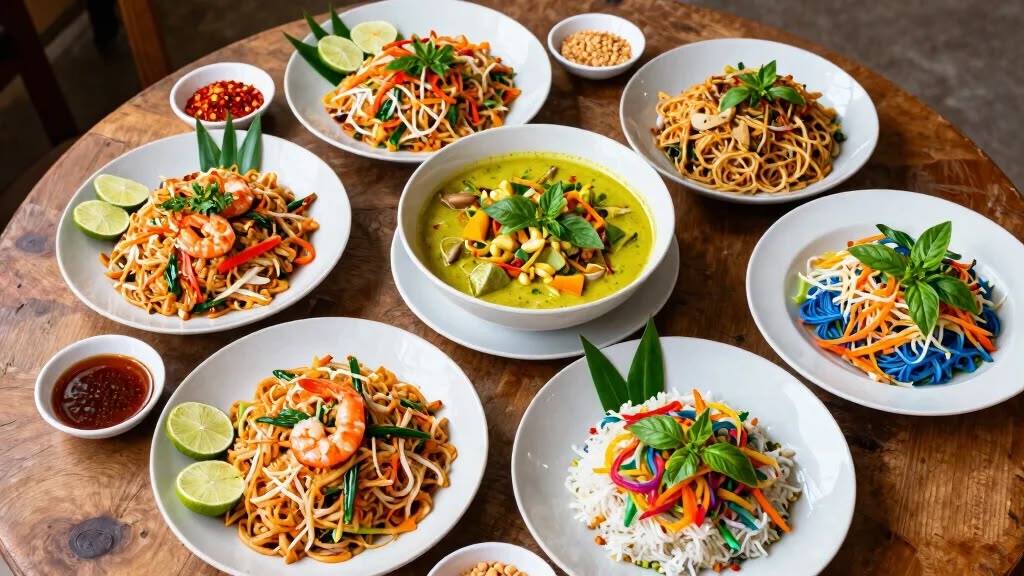
Pad Thai is only one example.
Pad Kee Mao, Rad Na, Yam Wun Sen, Khao Soi, and boat noodles demonstrate the diversity of Thai noodle dishes.
Salads
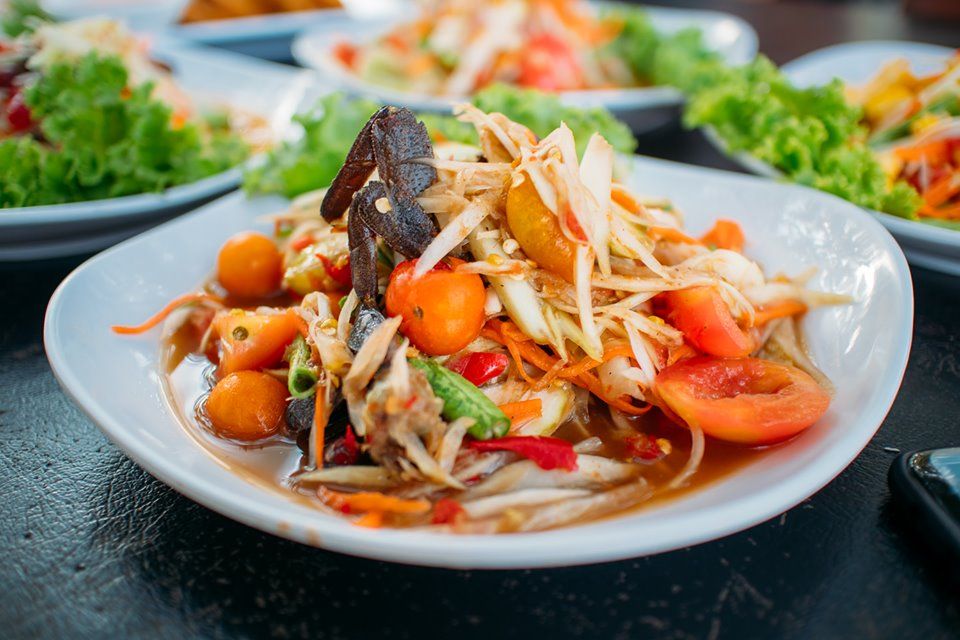
Thai salads often combine vegetables, herbs, protein, lime, chili, and savory seasonings.
Stir-fries
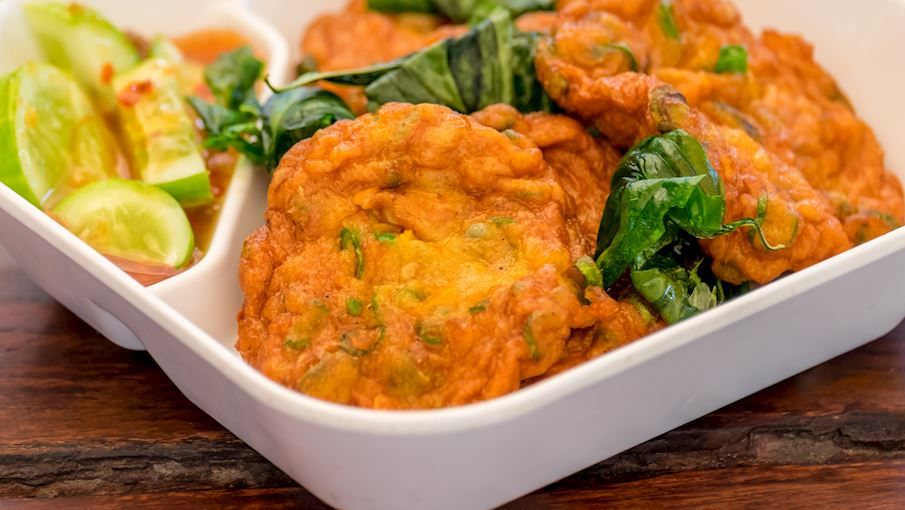
Stir-fried dishes can combine meat, seafood, vegetables, garlic, herbs, chili, and sauces.
Rice dishes
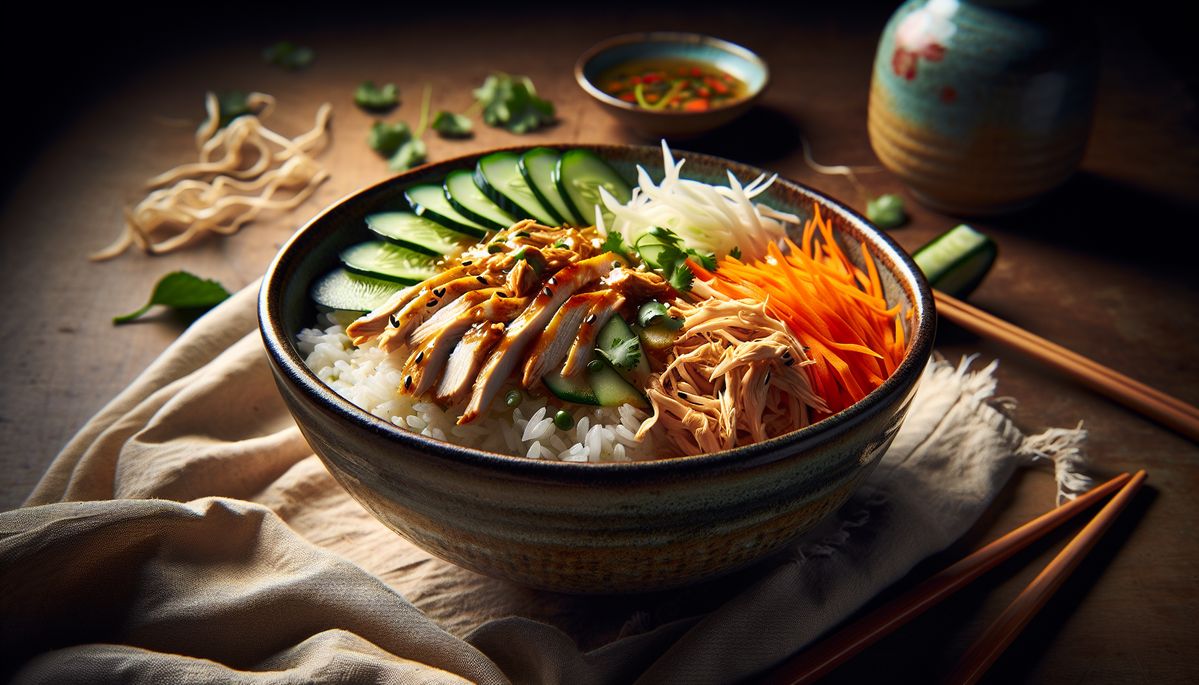
Rice is a fundamental part of Thai cuisine and accompanies many different preparations.
For a more detailed overview, explore our article about the varieties of Thai food.
Thai Ingredients You Should Know
A large part of the character of Thai food comes from its ingredients.
Some commonly used ingredients include:
- Lemongrass
- Galangal
- Thai basil
- Garlic
- Shallots
- Chilies
- Kaffir lime leaves
- Lime
- Turmeric
- Coconut milk
- Fish sauce
- Rice
- Fresh vegetables
These ingredients can be used individually or combined into curry pastes, sauces, soups, marinades, and stir-fries.
Their purpose isn’t only nutritional.
They contribute aroma, heat, acidity, sweetness, saltiness, color, and texture.
Our guide to Thai food ingredients explores these ingredients and their culinary roles in greater detail.
The Importance of Herbs and Aromatics
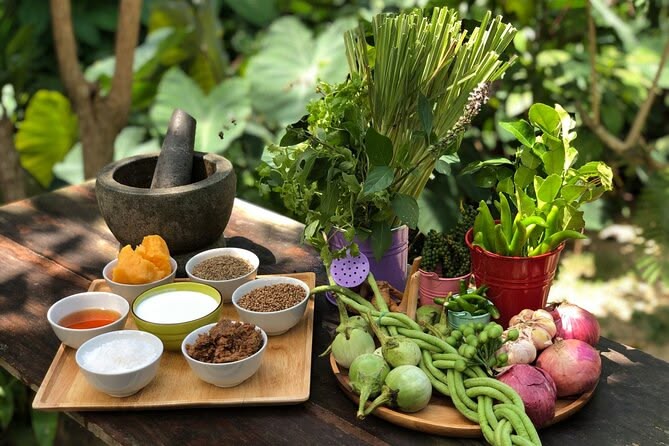
Herbs and aromatic ingredients are central to Thai cooking.
Lemongrass is known for its fresh citrus-like aroma.
Galangal contributes a distinctive earthy fragrance.
Thai basil provides a recognizable herbal character.
Garlic and shallots create savory depth.
Chilies contribute heat.
Kaffir lime leaves add a bright citrus aroma.
The combination of these ingredients is one reason Thai dishes can smell as complex as they taste.
For a closer look at one of the most recognizable ingredients, read our article about lemongrass in Thai cuisine.
Regional Thai Food
Thailand doesn’t have one single style of cuisine.
Food traditions vary significantly between regions.
Northern Thailand
Northern Thai cuisine has its own distinctive dishes and ingredients.
Sticky rice plays an important role, while herbs, vegetables, meats, and local cooking traditions contribute to the region’s food identity.
Khao Soi is one of the best-known northern dishes.
Northeastern Thailand
Known as Isan, northeastern cuisine is associated with bold flavors, chili, fresh herbs, grilled foods, and fermented ingredients.
Sticky rice is also an important part of meals.
Central Thailand
Central Thai cuisine includes many dishes that have become internationally recognized.
Curries, soups, stir-fries, rice dishes, and other preparations form part of the region’s diverse food culture.
Southern Thailand
Southern Thai food is known for strongly flavored curries, seafood, herbs, and chili.
If you want to explore these differences in greater detail, read our Regional Thai Food Guide.
Thai Noodles
Noodles deserve special attention because Thailand has such a wide range of noodle preparations.
You can find:
- Stir-fried noodles
- Noodle soups
- Glass noodles
- Curry noodles
- Wide rice noodles
- Thin rice noodles
- Egg noodles
Pad Kee Mao offers a spicy and aromatic stir-fried option.
Rad Na combines wide noodles with a thick savory gravy.
Yam Wun Sen uses thin glass noodles in a fresh salad.
Khao Soi combines noodles with a rich curry-based broth.
If you’re particularly interested in noodles, explore our dedicated guide to Thai noodle dishes.
Thai Curries
Thai curry is another major part of the cuisine.
Some well-known varieties include:
- Green curry
- Red curry
- Panang curry
- Massaman curry
- Southern Thai curries
Curry pastes can contain chilies, herbs, roots, garlic, shallots, and spices.
Coconut milk is commonly used in many Thai curry preparations, creating a rich texture and helping carry the flavors of the curry paste.
The level of spice and the ingredients used can vary between dishes and regions.
At Indulge, the Red Curry River Prawn combines river prawns with Thai red curry and eggplant.
Thai Soups
Thai soups demonstrate the cuisine’s ability to combine several contrasting flavors.
Tom Yum is particularly famous for its combination of acidity, chili, herbs, and savory flavors.
Other soups can use coconut milk, mushrooms, seafood, chicken, and different aromatic ingredients.
If you want to explore this category in greater detail, see our guide to Thai soups you should try.
Thai Food and Spice Levels
One of the most important things to know before ordering Thai food is that spice levels can vary considerably.
Some dishes contain very little chili.
Others can be extremely spicy.
If you don’t normally eat spicy food, ask about the spice level before ordering.
You can also start with dishes where chili isn’t the dominant flavor.
Our guide to mild Thai food in Bangkok provides additional ideas for diners who prefer less heat.
For people who enjoy strong heat, our guide to spicy Thai dishes covers some more chili-forward options.
Thai Food for Vegetarians
Thai cuisine includes many vegetables, tofu, mushrooms, noodles, rice, and other plant-based ingredients.
However, visitors following a vegetarian or vegan diet should always check the ingredients carefully.
Fish sauce, shrimp paste, oyster sauce, and animal-based stock can appear in dishes that otherwise seem vegetarian.
If you have strict dietary requirements, explain them clearly to the restaurant before ordering.
For more ideas, read our guide to vegetarian Thai dishes.
Thai Food for Picky Eaters
If you’re traveling to Thailand as a picky eater, you don’t need to immediately try unfamiliar dishes.
Start with ingredients you recognize.
Rice, noodles, chicken, beef, vegetables, grilled foods, and familiar seafood can all provide relatively approachable starting points.
Once you know which flavors you enjoy, you can gradually experiment with stronger sauces, herbs, spices, and unfamiliar ingredients.
Our guide to eating in Thailand as a picky eater provides more practical suggestions.
Thai Street Food
Street food is an important part of Thailand’s food culture.
Markets and street-food areas can offer noodles, grilled meats, seafood, snacks, desserts, fruit, drinks, and many other dishes.
One advantage of street food is the opportunity to try smaller portions of different dishes.
Instead of ordering one large meal, you can sample several foods and discover what you enjoy.
Thai snacks are also worth exploring if you want something between meals.
Our guide to popular Thai snacks in Bangkok provides some ideas.
Thai Desserts
Thai cuisine has an extensive dessert tradition.
Common ingredients include:
- Coconut milk
- Sticky rice
- Mango
- Tropical fruits
- Palm sugar
Mango sticky rice is one of the most internationally recognizable Thai desserts.
But there are many other sweets to discover.
At Indulge, you can also explore the Desserts section after your meal.
Thai Food and Drinks
Drinks can be an important part of the dining experience.
Thai-inspired drinks can incorporate citrus, herbs, tropical fruits, and other ingredients that complement food.
At Indulge, the Drinks menu offers cocktails and other beverages alongside the food selection.
If you’re interested in Bangkok’s cocktail scene, our guide to the best cocktail bars in Bangkok provides another useful resource.
How to Order Thai Food
If you’re visiting Thailand for the first time, ordering can seem complicated at first.
A simple approach is to:
1. Choose an ingredient you like
Start with chicken, beef, seafood, vegetables, noodles, or rice.
2. Ask about spice
Find out whether the dish is mild or spicy.
3. Check unfamiliar ingredients
Ask if you’re unsure what a dish contains.
4. Consider sharing
Ordering several dishes allows you to try more flavors.
5. Try something unfamiliar
Once you have a safe choice, add something you’ve never tried before.
For a complete practical guide, read How to Order Food in Thailand.
Thai Food Culture and Shared Dining
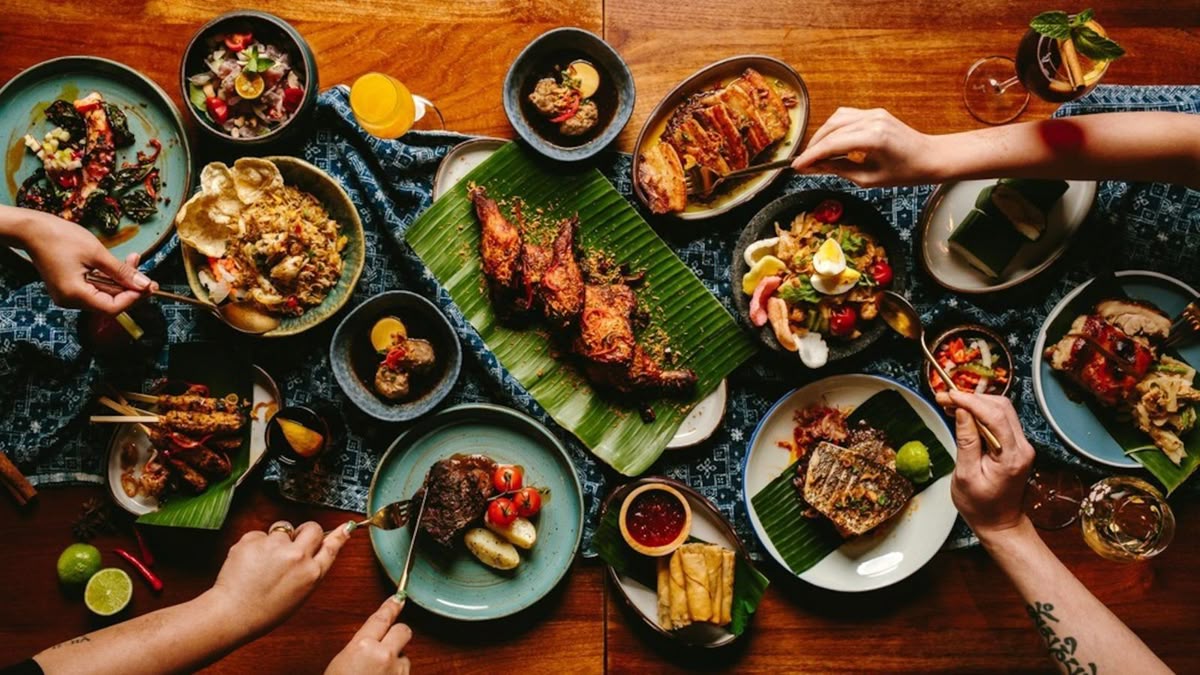
Thai meals can work particularly well as a shared experience.
Rather than everyone ordering an identical meal, a group can order several dishes and share them.
You might combine a soup, curry, salad, seafood dish, noodle dish, and vegetables.
This allows everyone at the table to try different flavors.
It also makes it easier to discover new dishes without ordering a large individual portion.
At Indulge, the Starters & Sharing section is designed around dishes that can be enjoyed together.
Thai Food in Modern Bangkok
Bangkok’s food scene combines traditional Thai cuisine with international influences.
You can find street food, traditional restaurants, modern Thai restaurants, international dining, cocktail bars, and fusion restaurants throughout the city.
Contemporary restaurants can reinterpret Thai ingredients through international cooking styles.
This doesn’t necessarily replace traditional cuisine.
Instead, it provides another way to experience familiar flavors.
Thai-Inspired Dining at Indulge
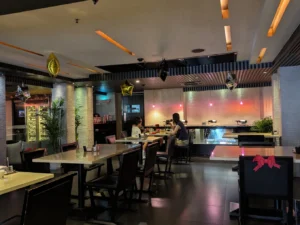
At Indulge Fusion Food & Cocktail Bar, Thai-inspired dishes are served alongside international food.
The menu includes seafood, premium meats, pasta, burgers, comfort food, sharing dishes, desserts, and drinks.
This can be particularly useful for groups where everyone has different preferences.
Someone can choose a Thai-inspired dish while another guest selects an international favorite.
The Signature Mains section is a useful place to explore the restaurant’s main dishes.
Contemporary Thai-Inspired Dishes
Indulge also demonstrates how Thai-inspired flavors can be incorporated into international formats.
The Basil Leaf Kra Pao with Rib Eye Beef combines Thai basil, garlic, chili, jasmine rice, and a fried egg with rib-eye beef.
The Spaghetti Khe Mao Seafood combines spaghetti with Thai-inspired spicy flavors, prawns, squid, and clams.
The Red Curry River Prawn combines river prawns with Thai red curry and eggplant.
These dishes provide examples of how Thai-inspired flavors can be presented within a contemporary Bangkok dining environment.
Traditional and Modern Thai Food
Thai food continues to evolve.
Traditional dishes and regional cooking methods remain important, while modern chefs continue to experiment with ingredients, techniques, presentation, and international influences.
This evolution is part of what makes Thai cuisine interesting.
You can explore established dishes while also discovering new interpretations.
If you want to learn more about how Thai cuisine developed over time, read our article about the history of Thai food.
And for the broader historical overview, you can also explore the history of Thai cuisine.
A Simple Thai Food Checklist
If you’re visiting Thailand and don’t know where to start, try to experience a variety of categories.
✓ A Thai curry
✓ A Thai noodle dish
✓ A Thai soup
✓ A Thai salad
✓ A regional specialty
✓ Seafood or grilled food
✓ A Thai snack
✓ A Thai dessert
✓ Something mild
✓ Something with a stronger flavor
This gives you a much broader experience than simply trying the most internationally famous dishes.
Final Thoughts
Thai cuisine is much more than a collection of famous dishes.
It is a diverse food culture built around regional traditions, aromatic ingredients, contrasting flavors, different cooking techniques, and a wide range of foods.
From noodles and curries to soups, salads, seafood, street food, snacks, and desserts, there are countless ways to explore it.
The best approach is to start with foods that match your preferences and gradually try something new.
And if you’re visiting Bangkok, the city’s contemporary dining scene provides another way to experience Thai-inspired flavors.
At Indulge Fusion Food & Cocktail Bar, Thai-inspired dishes are served alongside international cuisine, giving groups and individual diners plenty of options.
Explore the Indulge menu and discover your own way to experience Thai-inspired flavors in Bangkok.