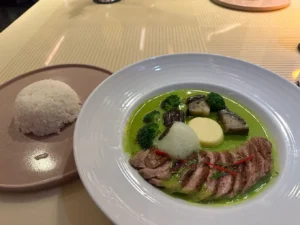
Thai cuisine is known for its vibrant combination of herbs, spices, vegetables, aromatics, seafood, meat, rice, noodles, and sauces.
These ingredients do more than create distinctive flavors. Many commonly used Thai ingredients also provide nutrients that contribute to a varied and balanced diet.
From fresh herbs and vegetables to ingredients such as garlic, ginger, turmeric, lemongrass, chilies, and lime, Thai cooking uses a wide range of plant-based ingredients.
However, the nutritional value of a complete Thai dish depends on the ingredients used, portion size, cooking method, and overall diet.
Rather than looking at individual ingredients as miracle foods, it is more useful to understand what they contribute to Thai cooking and how they fit into a varied diet.
Why Thai Ingredients Are So Important
Thai cuisine relies heavily on fresh and aromatic ingredients.
A single dish may contain several herbs, spices, vegetables, and seasonings, each contributing its own flavor, aroma, color, or texture.
This is particularly noticeable in dishes such as curries, soups, salads, and stir-fries.
For example, lemongrass can provide a citrus-like aroma, while chili contributes heat and garlic adds a strong savory aroma.
These ingredients work together rather than functioning independently.
That combination is one of the reasons Thai food has such a distinctive culinary identity.
1. Lemongrass
Lemongrass is one of the most recognizable ingredients associated with Thai cuisine.
It has a fresh, citrus-like aroma and is commonly used in soups, curries, marinades, sauces, and drinks.
The stalk is usually bruised or sliced to release its aromatic qualities before being added to a dish.
Lemongrass also contains naturally occurring plant compounds and provides small amounts of nutrients, although the amount consumed in a typical serving can be relatively small.
Its biggest contribution to Thai cooking is its distinctive aroma and flavor.
For a deeper look at this ingredient, read our guide to lemongrass in Thai cuisine.
2. Garlic
Garlic is widely used in Thai cooking.
It can be stir-fried, crushed into curry pastes, incorporated into sauces, or combined with meat, seafood, and vegetables.
Its strong aroma becomes sweeter and more mellow when cooked.
Garlic also contains compounds such as allicin, which has been widely studied for its biological properties.
However, the amount and form of garlic consumed in a particular dish varies, so it is better to think of garlic as one nutritious ingredient within an overall diet rather than a standalone health treatment.
Its culinary role is much clearer: garlic adds depth and aroma to many Thai dishes.
3. Chilies
Chilies are an important part of many Thai dishes.
Fresh chilies, dried chilies, chili pastes, and chili-based sauces can all contribute heat and flavor.
Chilies contain capsaicin, the compound responsible for their characteristic heat.
They can also provide vitamin C and other plant compounds, depending on the variety and amount consumed.
But the nutritional contribution of chilies is only one part of their role.
In Thai cuisine, chili is particularly important because it creates contrast with other flavors.
It can be combined with lime for acidity, fish sauce for saltiness, and sugar for balance.
If you want to explore the role of chili in Thai cooking, our guide to spicy Thai dishes is a natural next step.
4. Turmeric
Turmeric is a bright yellow-orange spice used in several Southeast Asian cuisines.
It can appear in Thai curry pastes and other preparations, particularly in regional cooking.
Turmeric contains curcumin, a naturally occurring compound that has been extensively studied.
However, it is important not to turn culinary use into medical claims.
The amount of turmeric used in an individual dish is not equivalent to a concentrated supplement, and eating a turmeric-containing dish should not be presented as a treatment for a health condition.
From a culinary perspective, turmeric contributes color, earthiness, and aroma.
5. Ginger and Galangal
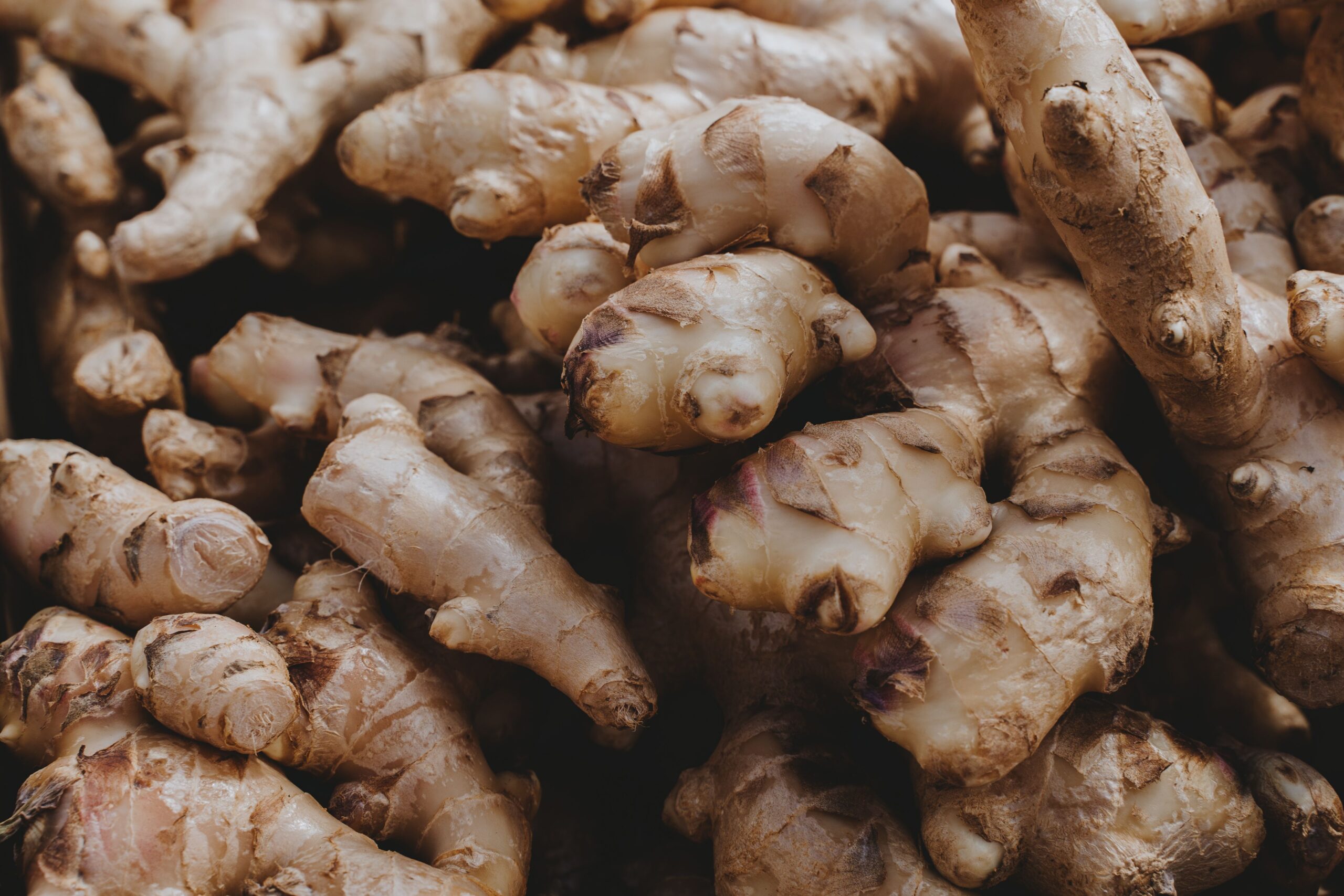
Ginger and galangal are related aromatic roots, but they have noticeably different flavors.
Galangal is particularly important in Thai cooking and appears in dishes such as Tom Kha and various curry pastes.
Ginger is also used in Thai food, particularly in certain stir-fries and other preparations.
Both ingredients contribute aromatic complexity rather than simply adding heat or sweetness.
They are also used in relatively small quantities, which means their main role in most dishes is culinary.
Understanding these aromatics can help explain why Thai soups and curries can have such layered flavors.
6. Lime
Lime provides one of the most important sources of acidity in Thai cooking.
Fresh lime juice can be added to soups, salads, sauces, seafood, and drinks.
It provides vitamin C and gives dishes a bright, fresh character.
Lime is particularly important for balancing stronger flavors.
For example, a spicy dish can become more vibrant when acidity is introduced.
This relationship between sourness, spice, saltiness, and sweetness is a major part of Thai cooking.
If you want to understand the broader relationship between these tastes, read our guide to the five flavors of Thai food.
7. Thai Basil
Thai basil provides a distinctive herbal aroma that separates many Thai dishes from similar preparations found in other cuisines.
It is commonly used in stir-fries and dishes such as Pad Kra Pao.
The leaves are typically added toward the end of cooking to retain much of their aroma.
Thai basil is also useful in contemporary drinks and modern Thai-inspired dishes.
At Indulge, for example, Thai basil appears in the Basil Leaf Kra Phao with Rib Eye Beef, where it is combined with garlic, chili, beef, jasmine rice, and a fried egg.
8. Fresh Vegetables
Vegetables are an important part of many Thai meals.
Green papaya, morning glory, eggplant, long beans, bamboo shoots, mushrooms, and other vegetables can appear in salads, curries, stir-fries, soups, and side dishes.
They contribute fiber, vitamins, minerals, color, and texture, although the nutritional content varies considerably from one vegetable to another.
Cooking method also matters.
A lightly cooked vegetable may have a different nutrient profile from one that is deep-fried or cooked for a longer period.
If you want a dedicated guide to vegetables used in Thai cooking, explore our article on Thai vegetables.
9. Coconut Milk
Coconut milk is an important ingredient in many Thai curries and desserts.
It provides a creamy texture and contributes fat and calories to a dish.
It also helps carry the aromas of curry pastes and spices.
Because coconut milk is relatively energy-dense, the overall nutritional profile of a coconut-based dish depends on the quantity used and the other ingredients in the meal.
This is a good example of why it is better to consider the complete dish rather than describing a single ingredient as simply “healthy” or “unhealthy.”
10. Fish and Seafood
Thailand’s location and extensive coastline have helped make seafood an important part of its food culture.
Fish, prawns, squid, crab, and other seafood appear in soups, curries, stir-fries, salads, and grilled preparations.
Many types of seafood provide protein and important nutrients, while some varieties also provide omega-3 fatty acids.
However, the final nutritional profile depends on preparation.
Grilled seafood and deep-fried seafood, for example, have different nutritional characteristics.
At Indulge, seafood is also an important part of the contemporary menu.
The Red Curry River Prawn combines river prawns with Thai red curry and eggplant.
11. Rice
Rice is one of the foundations of Thai cuisine.
Jasmine rice is particularly well known and is served alongside many Thai dishes.
Sticky rice is also an important part of northern and northeastern Thai food traditions.
Rice provides carbohydrates and energy, while its relatively neutral flavor allows strongly seasoned dishes to stand out.
The portion and type of rice can affect the overall nutritional profile of a meal, but rice itself remains a fundamental part of Thai food culture.
12. Thai Herbs and Spices Work Together
One of the most interesting characteristics of Thai cooking is that ingredients are rarely used in isolation.
A curry paste may contain several herbs and spices.
A soup can combine lemongrass, galangal, chili, lime leaves, and other aromatics.
A stir-fry can combine garlic, chili, Thai basil, and savory seasoning.
Each ingredient contributes something different.
This creates a layered flavor profile while also allowing a relatively small amount of an individual herb or spice to influence the overall dish.
Nutritional Value Depends on the Complete Dish
This is one of the most important points to understand when discussing the health benefits of Thai ingredients.
An ingredient may have valuable nutrients, but the complete dish can also contain:
- Coconut milk
- Sugar
- Fish sauce
- Oil
- Salt
- Deep-fried ingredients
- Processed sauces
Cooking methods also matter.
A vegetable-based stir-fry cooked with a moderate amount of oil is different from a deep-fried vegetable dish.
A soup can have a very different nutritional profile from a rich coconut curry.
Therefore, it is more accurate to talk about the nutritional qualities of individual ingredients rather than claiming that Thai food as a whole is automatically healthy.
Thai Ingredients and Flavor Balance
Nutrition is only one reason these ingredients are important.
Their culinary function is equally significant.
Consider a simple Thai-inspired combination:
Chili → heat
Lime → acidity
Fish sauce → saltiness and savory depth
Palm sugar → sweetness
Thai basil → herbal aroma
The ingredients work together to create a balanced dish.
This is one of the defining characteristics of Thai cuisine.
If you want to understand this balance in greater detail, our Spicy, Salty & Sour Thai Food article explores three particularly important Thai flavor characteristics.
Traditional Thai Ingredients in Modern Dining
Traditional Thai ingredients continue to influence modern Bangkok restaurants.
Contemporary chefs can use familiar ingredients while combining them with different proteins, cooking techniques, and international formats.
At Indulge, this approach can be seen in dishes such as Spaghetti Khe Mao Seafood.
The dish combines spaghetti with Thai-inspired spicy flavors, prawns, squid, and clams.
Another example is Papilotte Salmon with tom yum bouillon, which brings a familiar Thai flavor profile into a different preparation.
These dishes show how traditional ingredients and flavors can continue to evolve in contemporary dining.
Thai Ingredients in Drinks

Thai ingredients aren’t limited to the kitchen.
Lemongrass, Thai basil, citrus, tropical fruits, and other ingredients can also be incorporated into drinks.
This creates an interesting connection between Thai food and Bangkok’s cocktail culture.
At Indulge, the Drinks menu includes cocktails and other beverages that can accompany the food.
Exploring Thai Ingredients Through Different Dishes
One of the easiest ways to appreciate Thai ingredients is to notice how the same ingredient changes from one dish to another.
Lemongrass can contribute freshness to a soup.
Thai basil can define the aroma of a stir-fry.
Chili can add heat to a salad or curry.
Lime can brighten seafood or a spicy soup.
Coconut milk can create richness in a curry or sweetness in a dessert.
This versatility is what makes Thai cuisine so interesting.
How to Enjoy Thai Food as Part of a Balanced Diet
There is no need to categorize every Thai dish as either “healthy” or “unhealthy.”
Instead, consider the overall meal.
A varied meal can include vegetables, protein, rice or noodles, herbs, and other ingredients.
You can also vary preparation methods and portion sizes.
If you are dining in a group, sharing several dishes can allow you to experience different ingredients and flavors without ordering a large portion of every dish.
At Indulge, the Starters & Sharing menu provides options designed to be enjoyed together.
Discover Thai-Inspired Ingredients at Indulge

Indulge Fusion Food & Cocktail Bar combines Thai-inspired ingredients with international cooking styles.
The menu includes Thai-inspired dishes alongside seafood, premium meats, pasta, burgers, comfort food, sharing dishes, desserts, and drinks.
This makes it possible to explore Thai ingredients while still having plenty of familiar options.
The Signature Mains section is a good place to start.