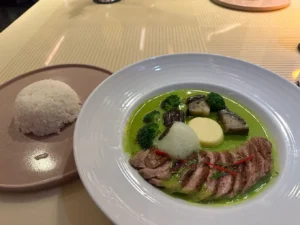
Thai cuisine is known for its bold and complex flavors.
While Thai food includes sweetness, bitterness, herbs, spices, and many other flavor combinations, three tastes appear again and again in some of the country’s best-known dishes: spicy, salty, and sour.
Chili brings heat.
Fish sauce contributes saltiness and savory depth.
Lime adds acidity and freshness.
Individually, these ingredients are distinctive. Together, they can create the balance that makes many Thai dishes so recognizable.
Understanding this combination is a useful way to start exploring Thai cuisine, especially if you are visiting Bangkok and want to understand what makes Thai food different from other Southeast Asian cuisines.
Why Thai Food Is Known for Strong Flavor Combinations
Thai cooking rarely depends on just one dominant taste.
A dish may be spicy, but it can also be sour.
A salty sauce may be balanced with lime.
A rich curry can be accompanied by fresh herbs or vegetables.
This contrast is part of what makes Thai cuisine so interesting.
The original article describes spicy, salty, and sour as three central “S” flavors and connects them with chili, fish sauce, and lime.
These ingredients can appear in very different dishes, from soups and salads to stir-fries and sauces.
The proportions change depending on the recipe, region, and preparation.
1. Spicy: The Heat of Thai Chili
Spice is one of the characteristics most closely associated with Thai food.
Fresh and dried chilies are used throughout Thai cooking, with different varieties providing different levels of heat and flavor.
Chili can be added to curry pastes, soups, salads, stir-fries, dipping sauces, and other preparations.
But Thai chili is not used simply to make food hot.
It works alongside other ingredients.
A spicy dish can also be sour from lime or tamarind, salty from fish sauce, aromatic from herbs, and slightly sweet from sugar.
That combination makes the overall flavor much more complex than chili alone.
How Chili Became Part of Thai Cuisine
Chili peppers are not native to Southeast Asia.
The original article attributes their introduction to Siam to Europeans in the 16th century and explains how they subsequently became an important part of Thai cooking.
Today, chili is so strongly associated with Thai cuisine that it can be difficult to imagine many familiar Thai dishes without it.
From Som Tam to Tom Yum and southern Thai curries, chili can play a central role in the overall flavor.
However, spice levels can vary considerably.
If you are not accustomed to spicy food, ask about the heat level before ordering.
For readers who want to explore the hotter side of Thai cuisine, our guide to spicy Thai dishes is a useful next step.
2. Salty: The Depth of Fish Sauce
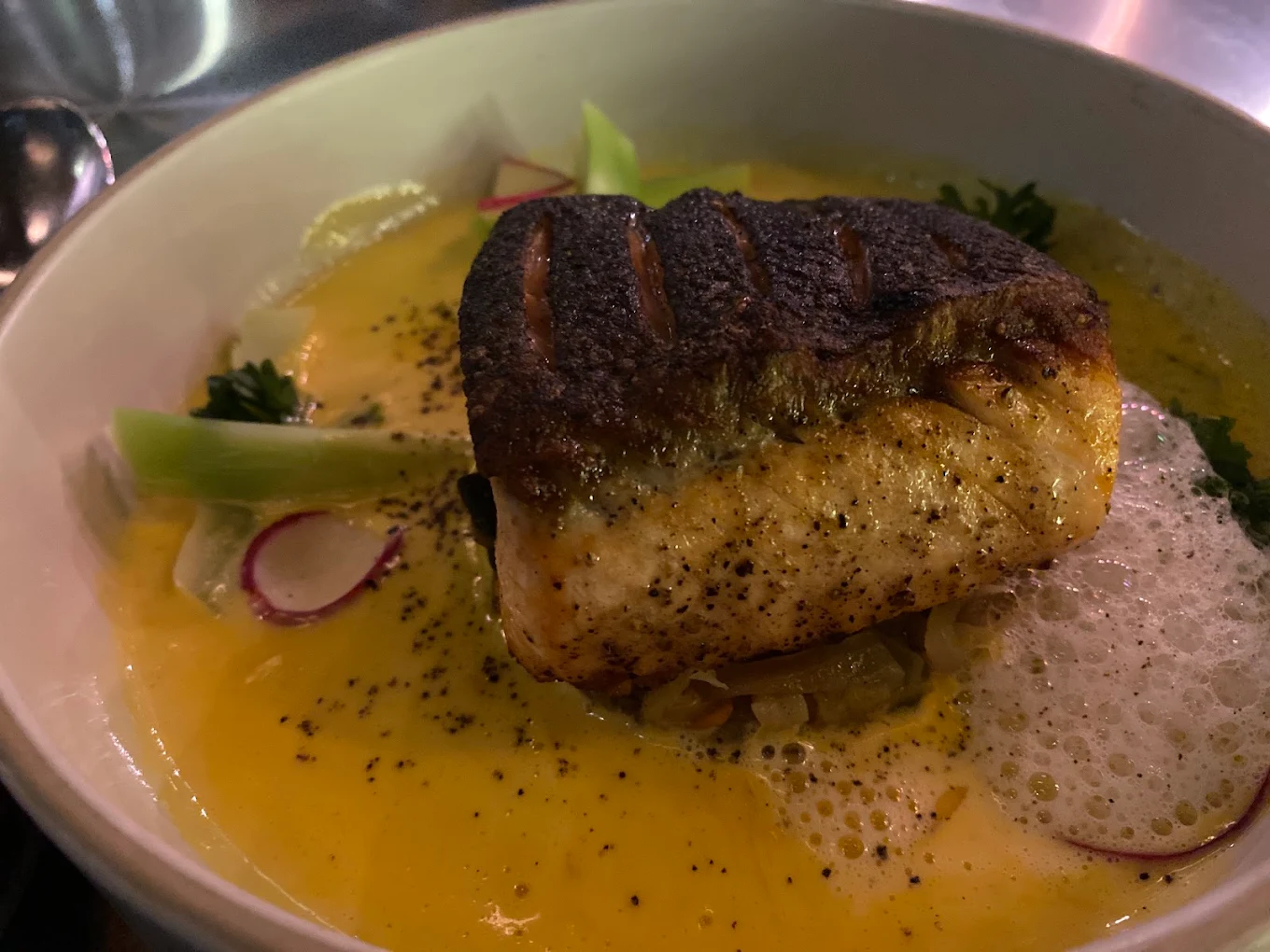
Saltiness is another important part of Thai cooking.
But in many traditional Thai dishes, the salty and savory character does not come primarily from adding table salt.
Fish sauce, known as nam pla, is one of the most important seasonings.
The original article explains that fish sauce is made through fermentation and provides a strong savory flavor to Thai dishes.
Fish sauce can be used in:
- Stir-fries
- Soups
- Salads
- Dipping sauces
- Marinades
- Curry preparations
- Noodle dishes
Its role goes beyond simply making food salty.
It contributes savory depth and helps bring other ingredients together.
Why Fish Sauce Works So Well With Thai Food
Fish sauce has a strong aroma and flavor, so it is usually used as part of a larger combination.
Lime can provide acidity.
Chili can add heat.
Sugar can soften the stronger flavors.
Fresh herbs can introduce aromatic notes.
Together, these ingredients create a much more balanced flavor profile.
This is one reason Thai cooking can taste complex even when the ingredient list appears relatively simple.
If you are interested in the wider development of Thai cuisine and its ingredients, our History of Thai Cuisine guide provides useful background.
3. Sour: The Freshness of Lime
The third part of this flavor combination is sourness.
Lime is one of the most familiar sources of acidity in Thai cooking.
Known as manao in Thai, lime is used in soups, salads, sauces, marinades, drinks, and many other preparations.
The original article highlights lime as an ingredient that helps balance the salty character of fish sauce while complementing spicy flavors.
This balance is particularly noticeable in dishes such as Tom Yum.
The lime provides sharp acidity while chili contributes heat and herbs add aroma.
The result is a flavor profile that feels fresh and intense at the same time.
How Spicy, Salty and Sour Work Together
The most interesting part is not the individual ingredients.
It is how they interact.
Imagine a simple combination:
Chili → heat
Fish sauce → saltiness and savory depth
Lime → acidity and freshness
None of these flavors has to dominate completely.
Instead, they can balance one another.
Too much chili can overwhelm a dish.
Too much fish sauce can make it overly salty.
Too much lime can make it excessively sour.
Thai cooking often relies on adjusting these elements until the desired balance is achieved.
This is why the same basic ingredients can produce very different dishes.
Examples of Thai Dishes That Use These Flavors

You can find the spicy-salty-sour combination in many Thai dishes.
Tom Yum
Tom Yum is one of the clearest examples.
Chili contributes heat, lime adds sourness, and fish sauce or other seasonings contribute saltiness and savory depth.
Lemongrass, galangal, and kaffir lime leaves add another layer of aroma.
Som Tam
Som Tam combines shredded green papaya with ingredients such as chili, lime, and savory seasonings.
The result is crunchy, fresh, spicy, sour, and savory.
This is a good example of how Thai cuisine can create several contrasting sensations within one dish.
If you’re interested in the broader role of vegetables in Thai cooking, our guide to Thai vegetables explores ingredients such as green papaya, morning glory, eggplant, bamboo shoots, and mushrooms.
Tom Kha
Tom Kha is another Thai soup where acidity, aromatic ingredients, and savory flavors can work together.
Coconut milk adds richness, creating a different balance from the clearer, sharper profile of Tom Yum.
This shows that Thai cuisine does not rely on one fixed formula.
The same flavor principles can be combined with very different ingredients.
Thai Salads
Thai salads often make particularly strong use of acidity and chili.
Lime-based dressings can combine with fish sauce, chili, sugar, herbs, vegetables, seafood, or meat.
The result is often much more intensely flavored than a typical Western salad.
The Role of Herbs in Thai Flavor Balance
Spicy, salty, and sour are only part of the story.
Thai herbs and aromatics provide another layer of complexity.
Common ingredients include:
- Lemongrass
- Galangal
- Thai basil
- Kaffir lime leaves
- Garlic
- Coriander
- Shallots
- Turmeric
These ingredients contribute aroma and character rather than simply adding one of the three main tastes.
Lemongrass, for example, has a fresh citrus-like aroma that works particularly well with soups, curries, seafood, and drinks.
You can learn more about this ingredient in our guide to lemongrass in Thai cuisine.
Three Flavors Don’t Mean Three Ingredients

It is important to distinguish between flavors and ingredients.
The three concepts discussed here are spicy, salty, and sour.
But they can come from several different ingredients.
For example, sourness may come from lime or tamarind.
Spiciness can come from fresh or dried chilies.
Saltiness and savory depth can come from fish sauce, soy sauce, or other seasonings depending on the dish.
This flexibility is what allows Thai cooks to create many different dishes while maintaining recognizable flavor relationships.
Regional Thai Cuisine Uses These Flavors Differently
The balance between spicy, salty, and sour can also change from one region to another.
Southern Thai cuisine is often known for strong chili and spice levels.
Northeastern Isan cuisine frequently combines chili and acidity with herbs and fermented ingredients.
Central Thai cuisine includes a broad range of curries, soups, stir-fries, and other preparations.
Northern Thai cuisine has its own distinctive ingredients and cooking traditions.
This is why understanding Thai food requires looking beyond individual dishes.
Our Regional Thai Food Guide provides a broader overview of these regional differences.
The Three Flavors in Modern Thai-Inspired Dining
These flavor relationships are still relevant in contemporary Bangkok restaurants.
At Indulge Fusion Food & Cocktail Bar, Thai-inspired dishes use familiar ingredients and flavor profiles while combining them with international ingredients and formats.
For example, the restaurant’s Basil Leaf Kra Phao with Rib Eye Beef combines Thai basil, garlic, and chili with rib-eye beef, jasmine rice, and a fried egg.
The Red Curry River Prawn combines river prawns with spicy Thai red curry and eggplant confit.
Thai Flavors Beyond Traditional Dishes
Modern fusion cuisine can take these familiar flavor combinations even further.
At Indulge, Thai-inspired flavors also appear in dishes such as Spaghetti Khe Mao Seafood, which combines pasta with Thai-style spicy flavors and seafood.
The restaurant also offers dishes such as Papilotte Salmon with tom yum bouillon, using a familiar Thai flavor profile in a different preparation.
Pairing Thai Food With Drinks
The contrast between spicy food and refreshing drinks is another part of the Bangkok dining experience.
Citrus, herbs, tropical fruits, and other ingredients can be used in cocktails and non-alcoholic beverages.
At Indulge, the Drinks menu offers cocktails and other beverages designed to accompany the restaurant’s food selection.
For readers interested in Bangkok’s cocktail scene, our guide to the best cocktail bars in Bangkok is another relevant resource.
What If You Don’t Like Spicy Food?
Understanding Thai flavors doesn’t mean you need to order the hottest dish on the menu.
Thai cuisine includes many dishes where herbs, coconut, vegetables, grilled ingredients, or savory sauces are more prominent than chili.
If you prefer milder flavors, ask about the spice level before ordering.
You can also explore our guide to mild Thai food in Bangkok for ideas that focus on Thai flavors without the same level of heat.
Exploring Thai-Inspired Dining at Indulge
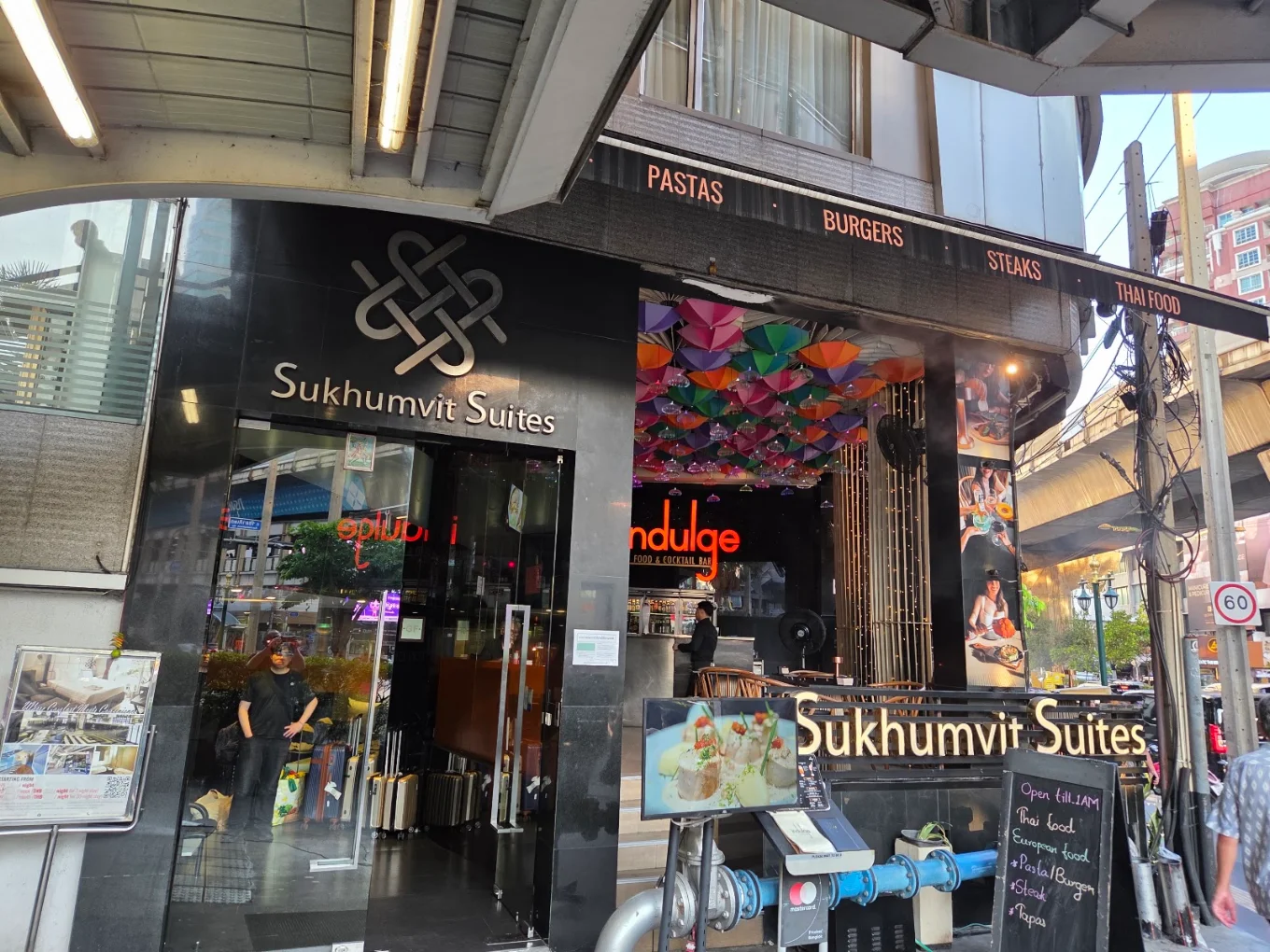
For diners who want to experience Thai-inspired flavors alongside international food, Indulge offers a broad menu in Bangkok.
The restaurant combines Thai-inspired dishes with seafood, premium meats, burgers, pasta, sharing dishes, desserts, cocktails, and other drinks.
This makes it suitable for groups where different diners want different styles of food.
The Signature Mains section is a good starting point for exploring the Thai-inspired dishes.
You can also explore Starters & Sharing for smaller dishes designed to be enjoyed together.