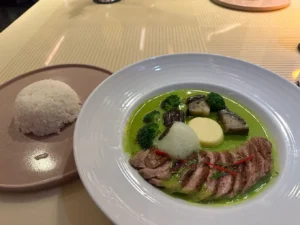
Thai cuisine offers far more than one or two famous dishes.
Across Thailand, you’ll find fragrant curries, spicy soups, fresh salads, stir-fries, noodle dishes, grilled meats, seafood, rice dishes, and desserts, each with its own combination of ingredients and flavors.
For a first-time visitor, that variety can make choosing what to order difficult.
So where should you begin?
From internationally recognized classics to dishes that introduce you to different regional flavors, these 7 Thai dishes to try can give you a useful introduction to Thai cuisine.
1. Tom Yum
Tom Yum is one of Thailand’s best-known soups.
It is typically associated with a combination of hot, sour, and aromatic flavors, with ingredients such as chili, lime, lemongrass, galangal, and other herbs contributing to its distinctive character.
Different versions can feature prawns, seafood, chicken, mushrooms, or other ingredients.
One of the most recognizable versions is Tom Yum Goong, made with prawns.
The combination of acidity, chili, herbs, and savory flavors makes Tom Yum a good introduction to the bold flavor combinations associated with Thai cooking.
If you enjoy spicy food, you can explore our dedicated guide to spicy Thai dishes.
2. Pad Thai
No list of Thai dishes to try would be complete without Pad Thai.
This stir-fried rice noodle dish is probably the most internationally recognizable Thai food.
Pad Thai can include ingredients such as:
- Rice noodles
- Egg
- Tofu
- Bean sprouts
- Peanuts
- Lime
- Fish sauce
- Tamarind-based seasoning
- Chicken, prawns, or other proteins
The balance of sweet, sour, salty, and savory flavors gives Pad Thai its familiar character.
For visitors trying Thai food for the first time, it can also be an approachable starting point because the basic ingredients are relatively familiar.
But don’t stop with Pad Thai.
Thailand’s noodle culture extends far beyond this one dish.
Our guide to Thai noodle dishes explores several other preparations worth discovering.
3. Green Curry
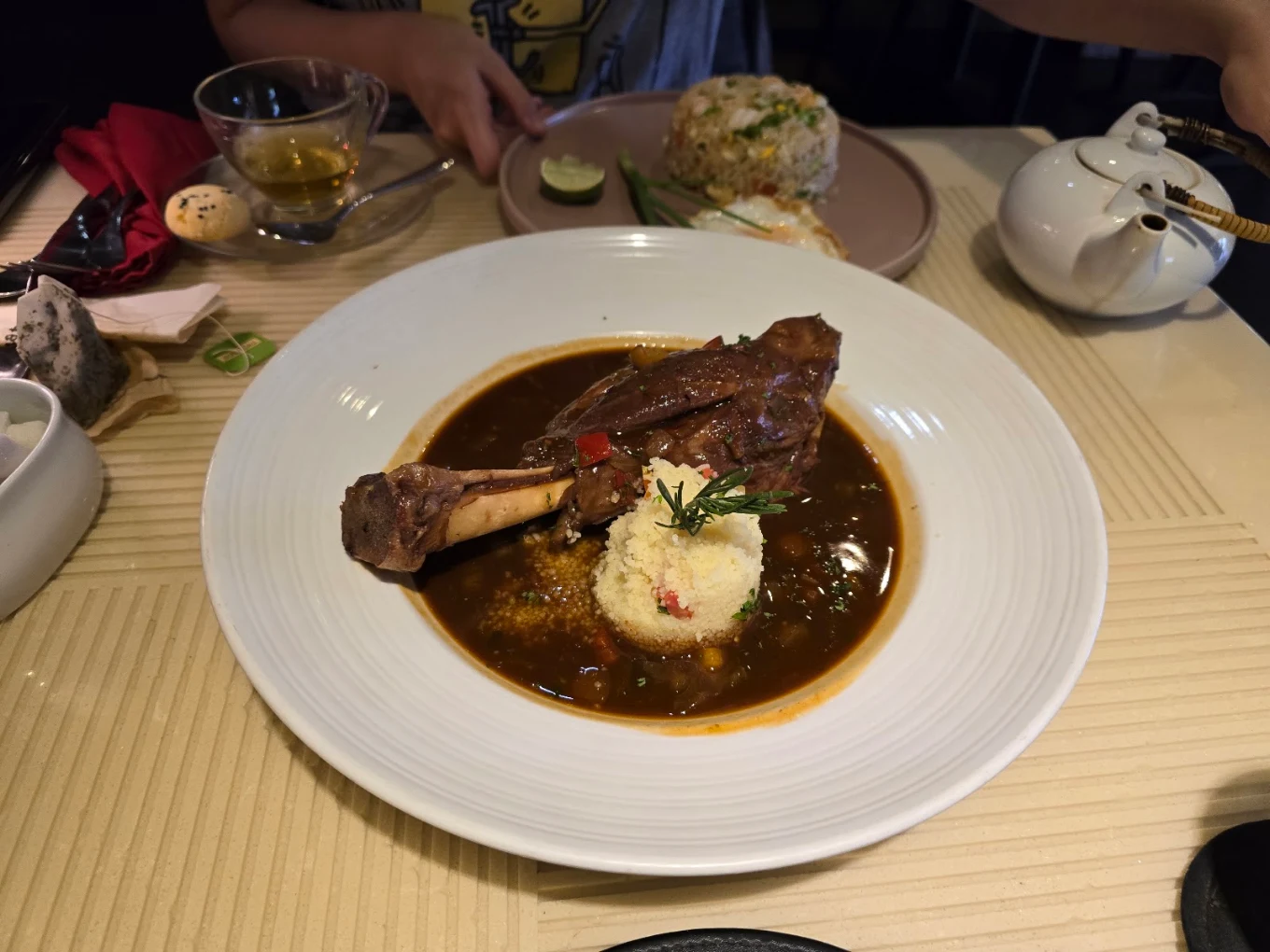
Thai green curry is another dish that has become famous around the world.
The curry gets its distinctive color and flavor from a green curry paste containing ingredients such as green chilies and aromatic herbs and spices.
Coconut milk contributes richness, while vegetables, herbs, and a protein such as chicken can complete the dish.
The combination of creamy coconut milk and aromatic curry paste creates a very different experience from a clear soup such as Tom Yum.
Green curry can also vary considerably between restaurants and regions.
If you want to explore Thai curry more broadly, don’t limit yourself to green curry.
Red curry, massaman curry, panang curry, and regional curry styles all offer different flavor profiles.
4. Som Tam
Som Tam, or Thai green papaya salad, is one of the most recognizable dishes from northeastern Thai cuisine.
It combines shredded green papaya with ingredients such as chili, lime, garlic, and savory seasonings.
The result is crunchy, fresh, sour, spicy, and savory.
Som Tam demonstrates one of the most interesting characteristics of Thai food: several contrasting flavors can appear in one dish without overpowering one another.
The dish also has many variations, with ingredients such as salted egg, seafood, or other regional additions appearing in different versions.
If you’re interested in vegetables used throughout Thai cuisine, our guide to Thai vegetables is another useful resource.
5. Pad Kra Pao
Pad Kra Pao, also known as Thai holy basil stir-fry, is a popular Thai dish built around aromatic basil, chili, garlic, and a protein.
It is commonly served with rice and often accompanied by a fried egg.
The protein can vary, with pork, chicken, beef, or other ingredients used depending on the preparation.
Its appeal comes from the combination of savory seasoning, fragrant holy basil, garlic, and chili.
At Indulge, the Basil Leaf Kra Phao with Rib Eye Beef takes inspiration from this familiar Thai flavor combination and pairs Thai basil, garlic, and chili with rib-eye beef, jasmine rice, and a fried egg.
This is a good example of how familiar Thai flavor combinations can be incorporated into contemporary Bangkok dining.
6. Khao Soi
If you want to explore Thailand’s regional cuisine, Khao Soi is a dish worth knowing.
It is strongly associated with northern Thailand and combines noodles with a rich curry-based broth.
A typical preparation can include chicken or beef, soft noodles, and crispy fried noodles on top.
The dish is often served with accompaniments such as lime, pickled vegetables, shallots, or chili.
The contrast between the soft noodles and crispy topping gives Khao Soi a distinctive texture.
More importantly, it demonstrates that Thai cuisine changes significantly from region to region.
Our Regional Thai Food Guide provides a broader look at these regional differences.
7. Massaman Curry
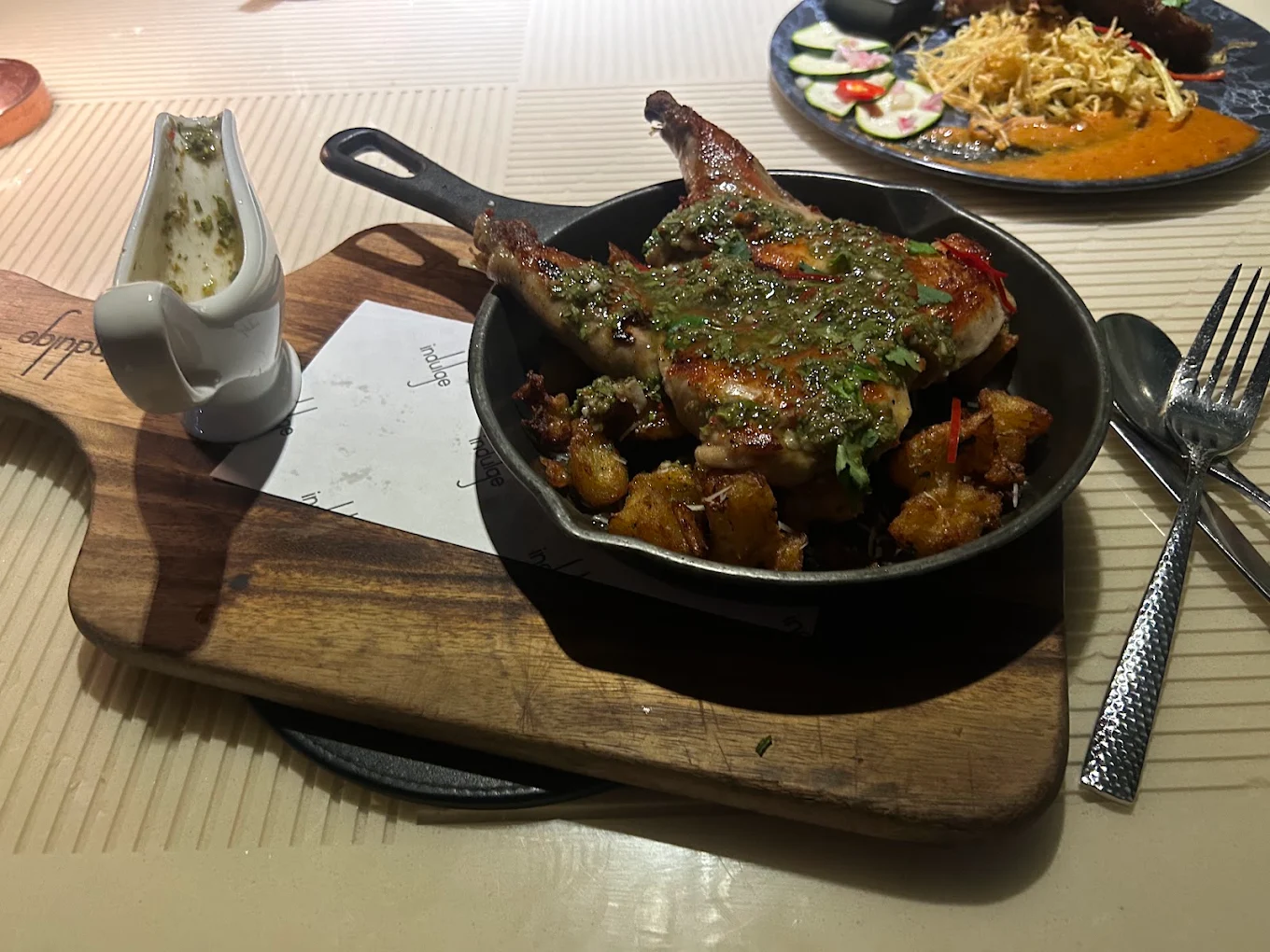
Massaman curry offers another perspective on Thai cuisine.
It is generally richer and more aromatic than some of the brighter, chili-forward Thai dishes.
Depending on the recipe, it can include beef or another protein alongside potatoes, onions, peanuts, and a fragrant curry paste.
The dish also reflects the cultural exchange that has influenced Thai cuisine over time.
This makes Massaman curry interesting not only as a dish but also as an example of how Thai food has developed through different culinary influences.
For more background, read our article about the foreign influences on Thai cuisine.
Why These Thai Dishes Are Worth Trying
These seven dishes are useful starting points because they demonstrate how different Thai food can be.
You have:
Tom Yum — hot, sour, and aromatic
Pad Thai — stir-fried noodles with a sweet, sour, and savory balance
Green Curry — creamy and aromatic
Som Tam — fresh, crunchy, sour, and spicy
Pad Kra Pao — savory, aromatic, and chili-forward
Khao Soi — rich northern curry noodles
Massaman Curry — fragrant and rich
Together, they provide a much broader introduction to Thai cuisine than simply trying one famous dish.
Thai Food Is About Balance
One of the reasons these dishes are so distinctive is the way Thai cooking combines different tastes.
A dish may include:
- Sweetness
- Sourness
- Saltiness
- Spice
- Bitterness
- Herbal aromas
These flavors don’t necessarily appear in equal amounts.
The balance depends on the dish, region, ingredients, and cooking method.
For a deeper explanation, explore our guide to the five flavors of Thai food.
What If You Don’t Like Spicy Food?
Not every dish on this list has the same level of heat.
If you don’t usually eat spicy food, ask the restaurant about the chili level before ordering.
You can also begin with dishes where spice isn’t the dominant characteristic.
Our guide to mild Thai food in Bangkok provides more ideas for visitors who want to explore Thai cuisine with less heat.
If you’re particularly sensitive to spicy food, our picky eater guide also includes practical advice for ordering food in Thailand.
Exploring Thai Food Beyond These Seven Dishes
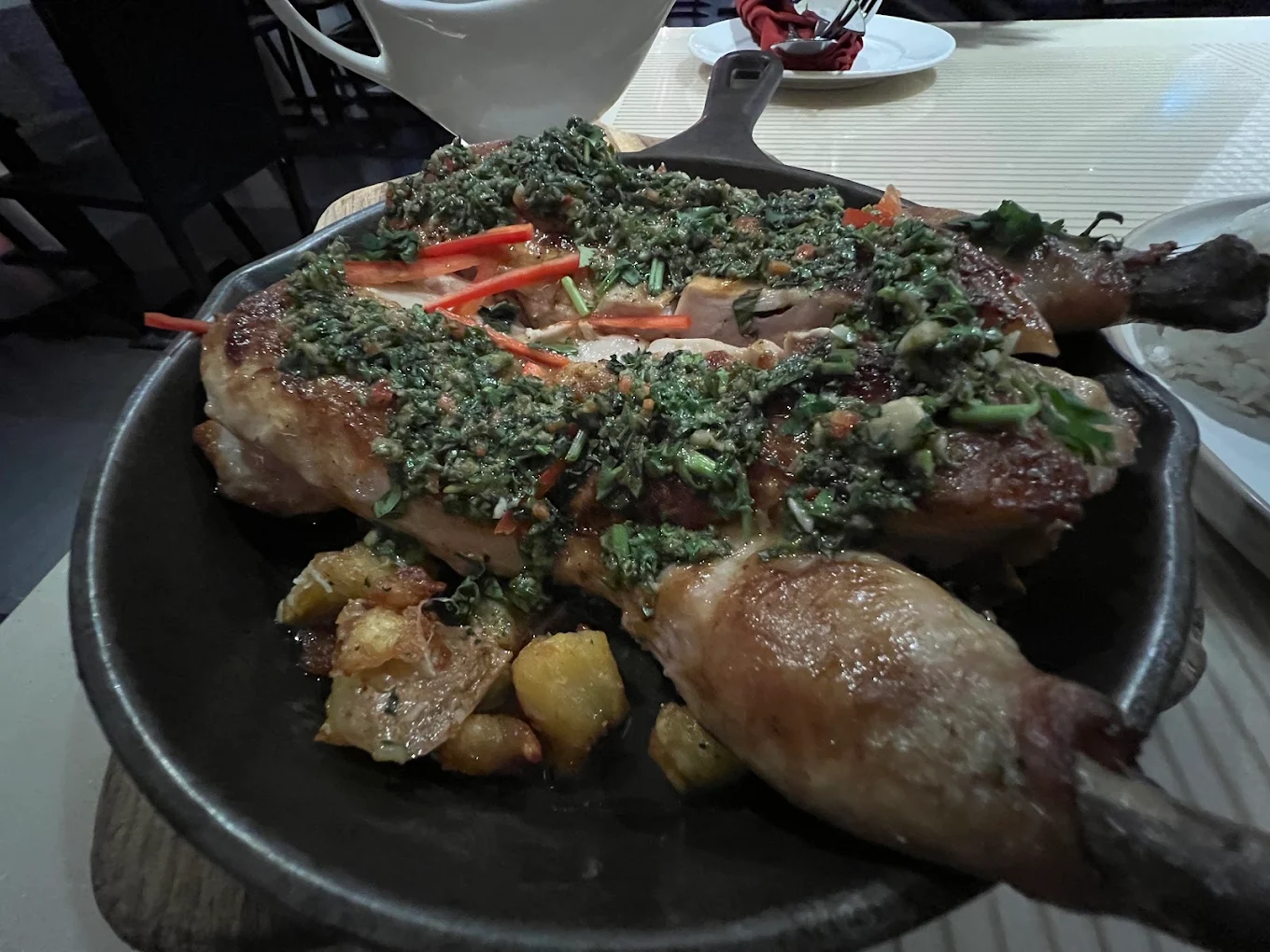
These seven dishes are only a starting point.
Thai cuisine includes many other categories, including:
- Thai noodle dishes
- Seafood
- Grilled food
- Stir-fries
- Rice dishes
- Thai salads
- Snacks
- Vegetarian dishes
- Desserts
If you’re interested in exploring the wider range of Thai cuisine, our guide to the varieties of Thai food provides a broader overview.
Thai Dishes in Contemporary Bangkok Dining
Bangkok’s modern restaurant scene also provides opportunities to experience Thai flavors in contemporary formats.
At Indulge Fusion Food & Cocktail Bar, traditional Thai-inspired ingredients are combined with international dishes and cooking styles.
For example, the Red Curry River Prawn combines river prawns with Thai red curry and eggplant.
The restaurant also offers Spaghetti Khe Mao Seafood, combining a familiar pasta format with Thai-inspired spicy flavors, prawns, squid, and clams.
Make It a Shared Food Experience
If you’re visiting Bangkok with friends or family, you don’t have to choose just one dish.
Thai food is well suited to sharing.
Order several different dishes and let everyone try a little of each.
You might combine:
- A soup
- A curry
- A noodle dish
- A salad
- A seafood dish
- A vegetable dish
This approach allows you to experience more flavors during one meal.
At Indulge, the Starters & Sharing section provides dishes designed to be enjoyed together.
Don’t Forget Dessert
A Thai meal doesn’t necessarily have to end with something savory.
Thai desserts use ingredients such as coconut milk, sticky rice, mango, tropical fruits, and palm sugar.
At Indulge, you can explore the Desserts menu after your meal.
Pair Your Meal With Drinks
Drinks can also be part of the dining experience.
Thai-inspired cocktails may incorporate citrus, herbs, tropical fruits, and other ingredients that complement the food.
Indulge’s Drinks menu provides cocktails and other beverages alongside its food selection.