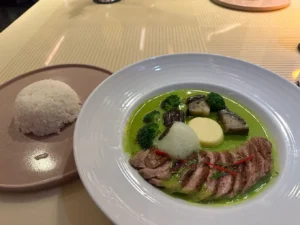
Vegetables are an important part of Thai cuisine, contributing not only color and texture but also flavor and freshness.
They appear in everything from stir-fries and curries to noodle dishes, salads, soups, and vegetarian meals. Some are familiar to international diners, while others are closely associated with Southeast Asian cooking and may be less familiar outside Thailand.
What makes Thai vegetables particularly interesting is the way they are prepared.
A vegetable might be stir-fried with garlic and chili, cooked into a curry, served fresh alongside a spicy dish, or combined with herbs and sauces to create a completely different flavor.
Understanding these ingredients can make exploring Thai food much more interesting.
Why Vegetables Are Important in Thai Cuisine
Thai cooking is built around balance.
Fresh vegetables can provide crunch against soft noodles, freshness alongside rich curry, or mild flavors that balance chili and aromatic ingredients.
They also contribute different tastes.
Some vegetables are naturally sweet, others earthy or slightly bitter, while fresh herbs can add citrus, minty, peppery, or aromatic notes.
The original article also highlights how vegetables and herbs contribute to the taste and texture of familiar Thai dishes such as Tom Yum Goong, green curry, and Som Tam.
This variety means vegetables are rarely treated simply as an afterthought.
They can be an important part of the dish itself.
Common Thai Vegetables and Ingredients to Know
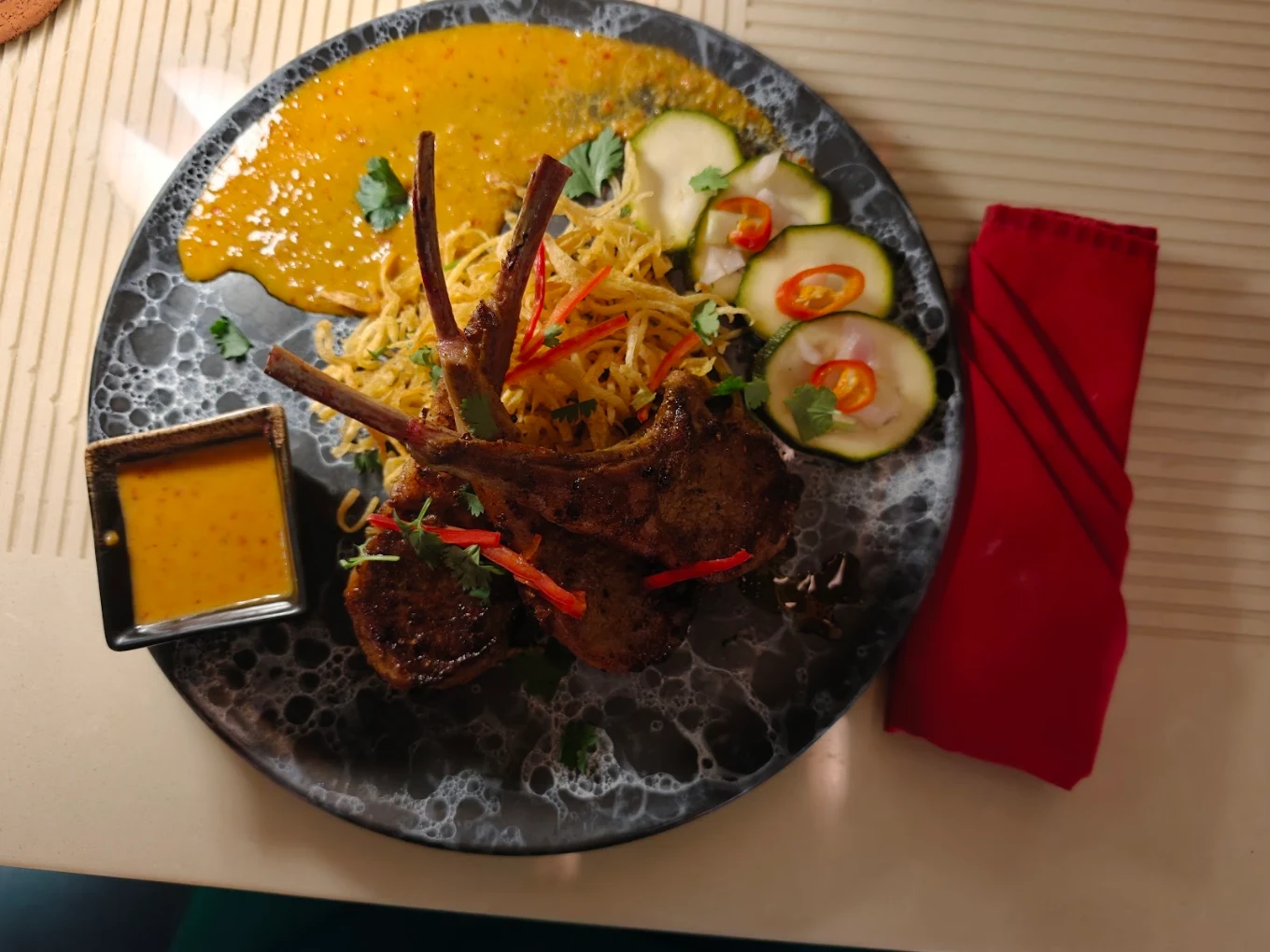
There is a wide range of vegetables used throughout Thai cooking.
Here are several worth knowing if you want to understand Thai food beyond the most familiar dishes.
Morning Glory
Morning glory, commonly known as Pak Boong, is one of the vegetables frequently associated with Thai stir-fried dishes.
The leaves and stems have a crisp texture, particularly when cooked quickly over high heat.
It is often prepared with garlic, chili, and savory seasoning.
The result is a simple dish where the freshness and texture of the vegetable remain important.
The original article specifically lists Pak Boong among the Thai vegetable dishes readers can try.
Green Papaya
Green papaya is particularly well known because of its role in Som Tam, Thailand’s famous green papaya salad.
Unlike ripe papaya, green papaya is firm and relatively neutral in flavor.
When shredded and combined with ingredients such as lime, chili, and other seasonings, it provides a crisp texture that works particularly well with stronger flavors.
If you’re interested in learning more about Thai dishes where fresh vegetables play a central role, our guide to spicy Thai dishes provides another useful starting point.
Thai Eggplant
Eggplant is another ingredient found in Thai cooking.
Different varieties can be used depending on the dish, and Thai eggplants can have a different appearance and texture from the large purple eggplants commonly found in Western supermarkets.
They are particularly useful in curries, where they absorb sauces and spices while maintaining their own texture.
Eggplant works especially well with coconut-based curries because it can take on the surrounding flavors without disappearing completely into the sauce.
Bamboo Shoots
Bamboo shoots are another ingredient used in Thai cuisine, particularly in soups and curries.
Their slightly crunchy texture provides contrast against softer ingredients.
They can also absorb the flavors of curry pastes and broths, making them a useful ingredient in dishes with strong aromatic profiles.
Bamboo shoots demonstrate an important feature of Thai cooking: vegetables are often chosen not only for their flavor but also for the texture they bring to the dish.
Long Beans
Long beans are commonly used in Southeast Asian cooking and can appear in Thai salads, stir-fries, and other preparations.
Their firm texture allows them to remain slightly crisp after cooking.
They can also be cut into smaller pieces and combined with spicy, sour, salty, and savory ingredients.
This makes them particularly suitable for Thai dishes where several flavors need to work together.
Mushrooms
Mushrooms are useful in Thai cooking because they provide a savory, earthy quality and a substantial texture.
They can be stir-fried, added to soups, used in curries, or incorporated into vegetarian versions of familiar Thai dishes.
Mushrooms are particularly relevant for diners looking for meat-free choices.
At Indulge, for example, the menu includes vegetarian mushroom-based options such as Mushroom Vegetarian Basil Leaf Kra Phao and Mushroom or Vegetarian Khao-Pad.
Thai Herbs Are Just as Important as the Vegetables
When discussing Thai vegetables, it is useful to also understand the herbs and aromatics that give Thai food much of its character.
Ingredients such as lemongrass, galangal, garlic, turmeric, kaffir lime leaves, chilies, coriander, and Thai basil can dramatically change the flavor of a dish.
The original article specifically highlights these herbs and spices as an important reason Thai cuisine has such a distinctive flavor profile.
Lemongrass, for example, contributes a fresh citrus-like aroma.
Thai basil provides a distinctive herbal character.
Galangal adds an earthy, aromatic quality.
Chilies contribute heat.
Together, these ingredients allow vegetables to become part of dishes with much more complex flavors.
If you want to learn more about one of these ingredients, read our guide to lemongrass in Thai cuisine.
How Thai Vegetables Are Used in Cooking
The same vegetable can taste completely different depending on how it is prepared.
Stir-Frying
Quick, high-heat cooking is common for vegetables such as morning glory and other greens.
Garlic, chili, sauces, and aromatics can be added to create a simple but flavorful dish.
Curries
Vegetables can absorb the flavors of Thai curry pastes and coconut-based sauces.
Eggplant, bamboo shoots, and other vegetables can add texture while helping make a curry more substantial.
Salads
Fresh vegetables can provide crunch and freshness in dishes such as Som Tam.
The combination of raw or lightly prepared ingredients with lime, chili, and savory seasonings creates strong contrasts.
Noodle Dishes
Vegetables are frequently used alongside noodles to add texture and freshness.
Bean sprouts and other crisp vegetables can provide contrast against soft noodles.
This is one reason vegetables are so important to the overall composition of Thai food.
Thai Vegetables and Vegetarian Thai Food
Vegetables naturally play an important role in vegetarian Thai cooking.
However, there is an important distinction between a dish that contains vegetables and a genuinely vegetarian dish.
Traditional Thai recipes can contain fish sauce, shrimp paste, oyster sauce, or animal-based stocks even when the main ingredients are vegetables.
If you follow a strict vegetarian or vegan diet, it is therefore important to ask about the complete preparation.
For a more detailed look at meat-free Thai dishes, explore our guide to vegetarian Thai dishes.
Thai Vegetables Can Add More Than Nutrition
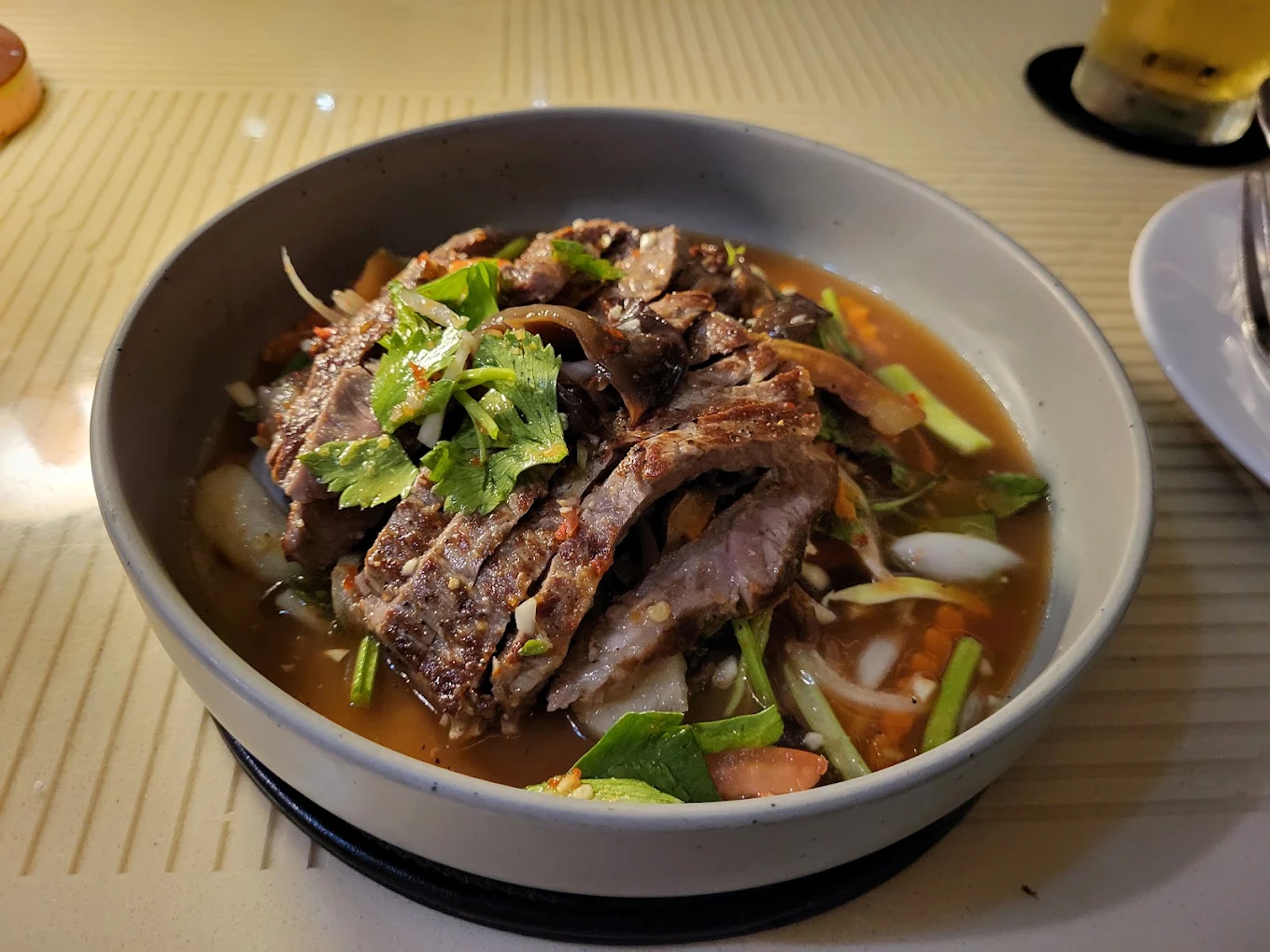
It is tempting to think of vegetables only in terms of their nutritional value.
But in Thai cuisine, they also contribute to the actual identity of a dish.
A crisp vegetable can provide texture.
A bitter ingredient can introduce contrast.
A naturally sweet vegetable can balance chili.
Fresh herbs can add aroma.
Mushrooms can provide savory depth.
Thai Vegetables in Familiar Thai Dishes
One of the easiest ways to understand these ingredients is to see how they appear in recognizable Thai dishes.
Som Tam
Green papaya provides the main vegetable component and a crisp texture.
Green Curry
Eggplant and other vegetables can complement the curry paste and coconut-based sauce.
Pad Thai
Bean sprouts and other fresh ingredients add crunch to the noodles.
Stir-Fried Morning Glory
Pak Boong becomes the central ingredient, supported by garlic, chili, and savory seasoning.
Thai Vegetable Curries
A combination of vegetables can absorb the flavors of curry paste, herbs, and coconut milk.
These dishes demonstrate that vegetables are not simply side ingredients.
They can determine the texture, balance, and character of the entire meal.
Exploring Vegetable-Based Thai Flavors at Indulge
Indulge Fusion Food & Cocktail Bar offers a contemporary menu that combines Thai-inspired flavors with international dishes.
Vegetarian diners can find options that use vegetables and mushrooms as central ingredients rather than treating them only as side dishes.
The menu includes Mushroom Vegetarian Basil Leaf Kra Phao, combining mushrooms with Thai basil, garlic, and chili.
It also lists Mushroom or Vegetarian Khao-Pad, providing a vegetable-focused version of Thai-style fried rice.
These dishes show how familiar Thai flavor combinations can be used in a contemporary restaurant menu.
Explore the Signature Mains for more options.
More Than Just Thai Food at Indulge

One of the advantages of a broad restaurant menu is that diners can explore different cuisines and ingredients during the same visit.
Indulge combines Thai-inspired dishes with seafood, premium meats, pasta, burgers, comfort food, desserts, and drinks.
This can be particularly useful for groups where different guests have different preferences.
One person may want a vegetable-based Thai-inspired dish, while another may prefer seafood or a premium steak.
The restaurant’s Starters & Sharing selection also provides a way to begin a meal with several dishes for the table.
Pairing Vegetable Dishes With Drinks
Vegetable-based dishes can also work well alongside refreshing drinks.
Thai ingredients such as lemongrass, Thai basil, citrus, and tropical fruits can appear in contemporary drinks as well as food.
At Indulge, the drinks menu includes cocktails and non-alcoholic options that can be enjoyed alongside the food.
Explore the full Drinks menu to see the available options.