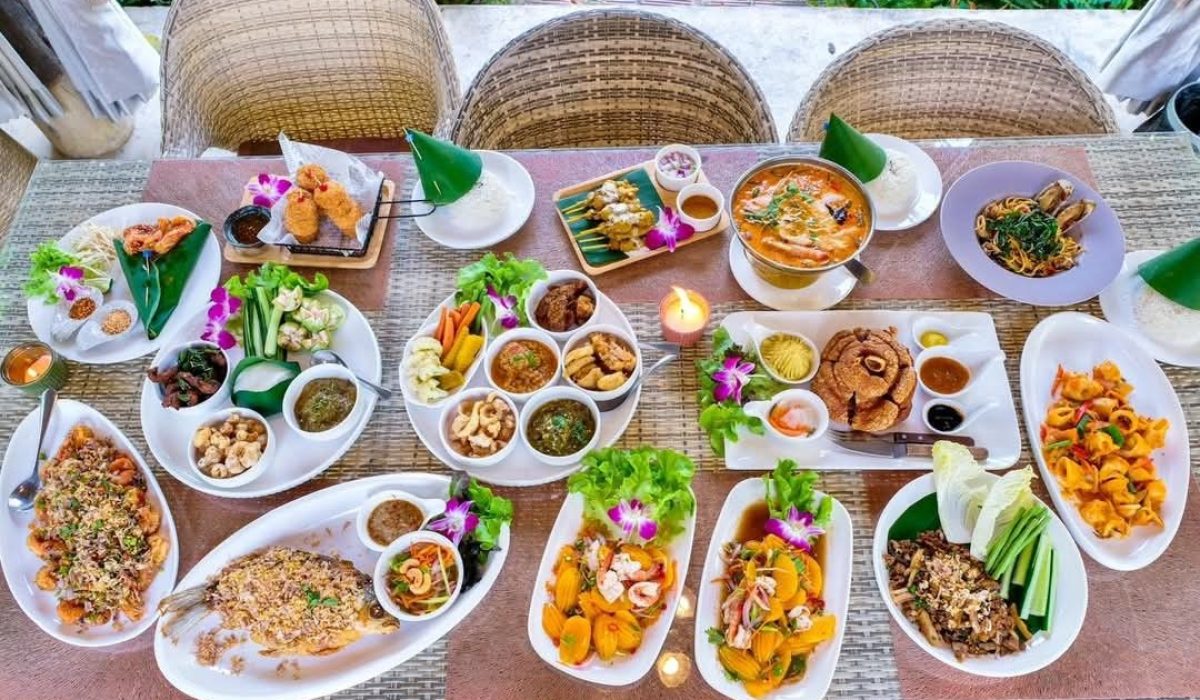
Thai food has become one of the world’s most recognizable cuisines.
From Pad Thai and Tom Yum to green curry and Som Tam, Thai dishes are now enjoyed far beyond Thailand.
But what explains the international popularity of Thai cuisine?
There isn’t one simple answer.
Thai food combines distinctive flavors, aromatic ingredients, diverse cooking techniques, regional traditions, and dishes that can appeal to very different preferences.
Its cuisine can be spicy, sour, sweet, salty, rich, fresh, or deeply aromatic.
That variety makes Thai food particularly adaptable to different dining preferences while still maintaining a recognizable culinary identity.
Let’s look at some of the reasons behind the global popularity of Thai food.
1. Thai Food Has Distinctive Flavors
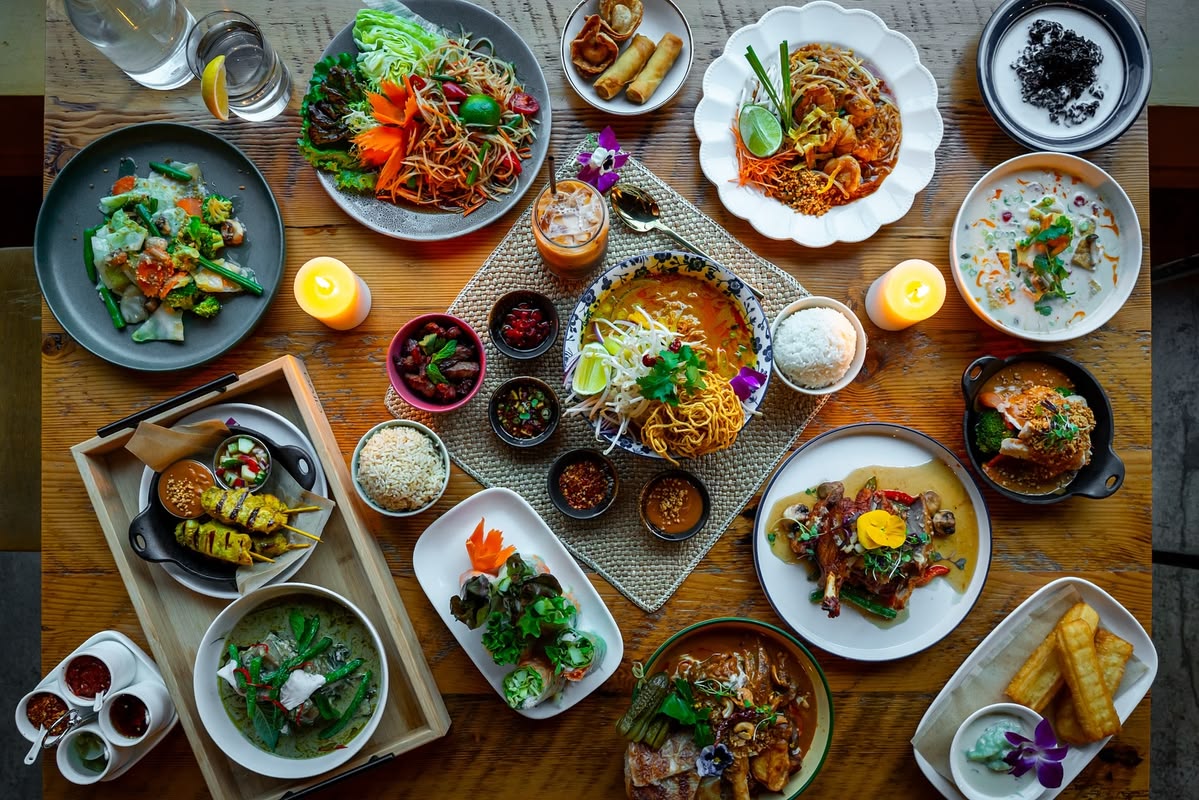
One of the biggest reasons for Thai food popularity is its approach to flavor.
Thai cooking can bring several contrasting tastes together in the same dish.
These may include:
- Sweet
- Sour
- Salty
- Spicy
- Bitter
- Savory
- Aromatic
Lime can provide acidity.
Chili adds heat.
Fish sauce contributes saltiness and savory depth.
Sugar can balance stronger flavors.
Fresh herbs add aroma.
Rather than relying on one dominant taste, Thai cooking often combines these elements to create a more complex flavor profile.
Our guide to the five flavors of Thai food explores this concept in greater detail.
2. There Is a Thai Dish for Different Preferences
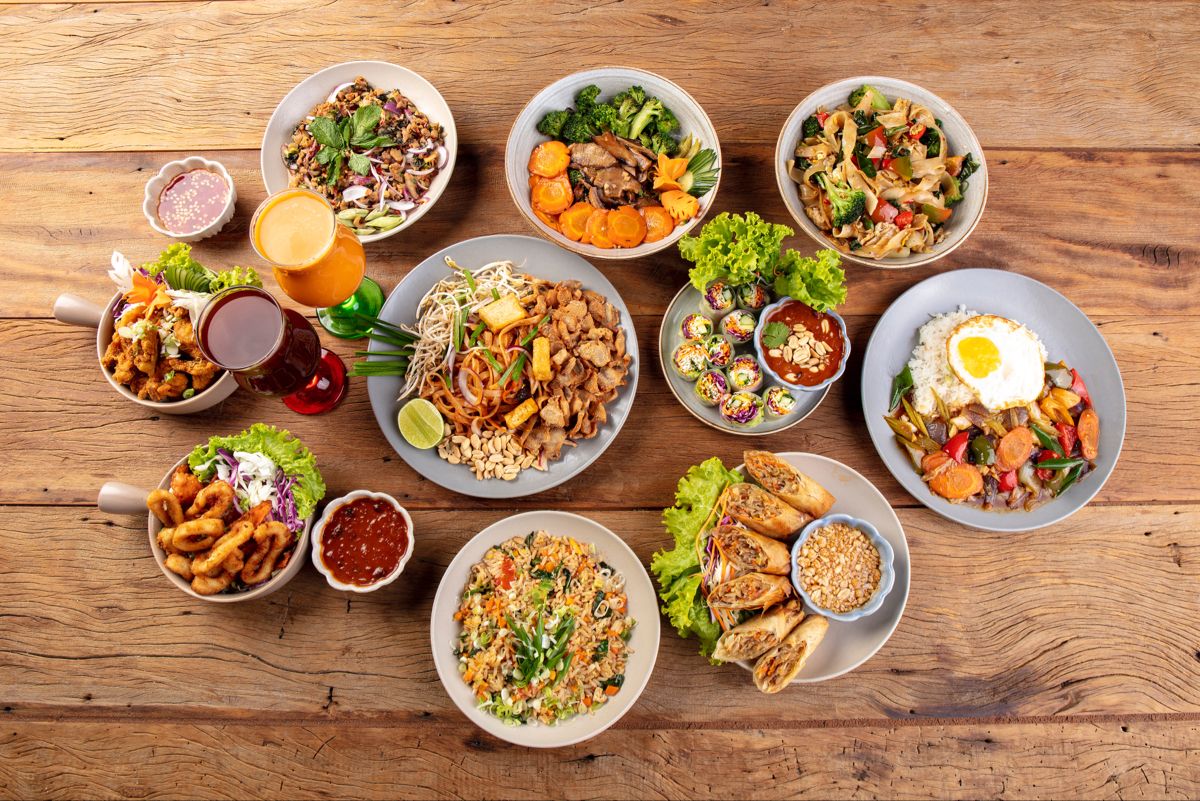
Thai cuisine is incredibly varied.
Some people enjoy spicy food.
Others prefer mild flavors.
Some prefer noodles.
Others choose rice dishes, curries, seafood, vegetables, or grilled food.
Thai cuisine offers options across all these categories.
You can choose a rich coconut-based curry, a fresh salad, a spicy stir-fry, an aromatic soup, or a simple rice-based meal.
This variety makes it easier for people with different preferences to find something they enjoy.
If you’re looking for a broader introduction to Thai cuisine, our Thai Food Guide covers the major categories, ingredients, and regional differences.
3. Thai Food Uses Aromatic Ingredients
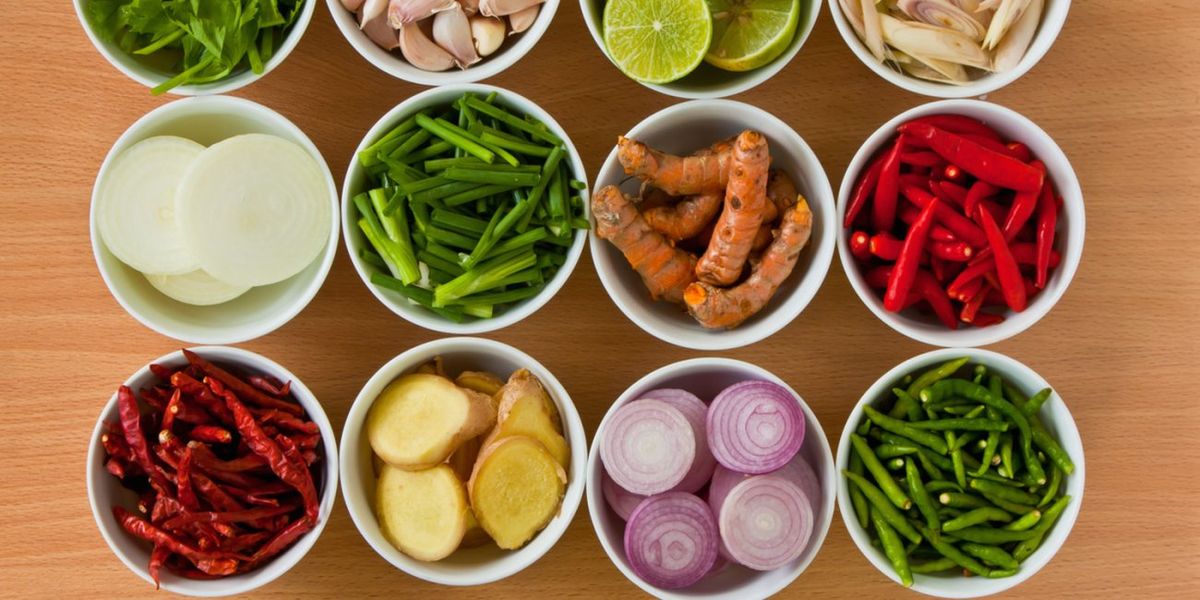
Thai cuisine is known for its use of fresh herbs and aromatic ingredients.
Common examples include:
- Lemongrass
- Galangal
- Thai basil
- Garlic
- Shallots
- Chilies
- Kaffir lime leaves
- Lime
- Turmeric
These ingredients contribute aroma as well as flavor.
For example, lemongrass can provide a fresh citrus-like character, while Thai basil contributes a distinctive herbal aroma.
Galangal adds another layer of fragrance to soups and curry pastes.
These ingredients help give Thai dishes a recognizable identity.
For a closer look at one of the most important aromatics, explore our article about lemongrass in Thai cuisine.
4. Thai Cuisine Offers Incredible Variety
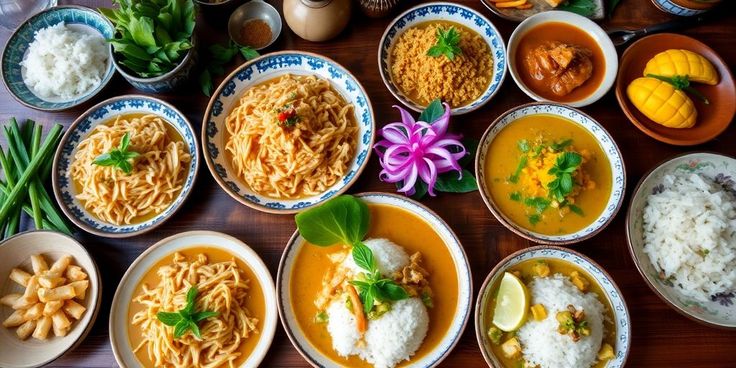
Another reason Thai food has gained an international following is the sheer number of dishes available.
Thai cuisine includes:
- Noodles
- Curries
- Soups
- Salads
- Stir-fries
- Rice dishes
- Grilled food
- Seafood
- Snacks
- Desserts
This means exploring Thai food doesn’t have to become repetitive.
You could have a noodle dish one day, a curry the next, followed by seafood or a fresh salad.
Our guide to the varieties of Thai food explores the different categories in more detail.
5. Famous Thai Dishes Help Introduce the Cuisine
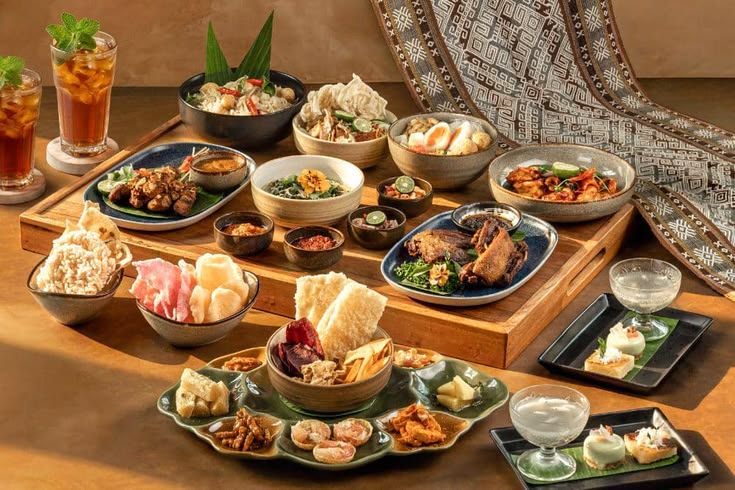
Certain Thai dishes have become internationally recognizable.
These include:
Pad Thai
A stir-fried noodle dish that has become one of the best-known representatives of Thai cuisine internationally.
Tom Yum
A hot and sour soup known for ingredients such as lime, chili, lemongrass, and other aromatics.
Green Curry
A fragrant curry commonly prepared with green curry paste and coconut milk.
Som Tam
A fresh green papaya salad associated strongly with northeastern Thai cuisine.
Pad Kra Pao
A stir-fried dish featuring holy basil, chili, garlic, and a protein, typically served with rice.
These dishes can act as an introduction to Thai cuisine before diners explore less familiar regional and local dishes.
For a more detailed list, read our guide to Thai dishes you must try.
6. Thai Noodles Have International Appeal
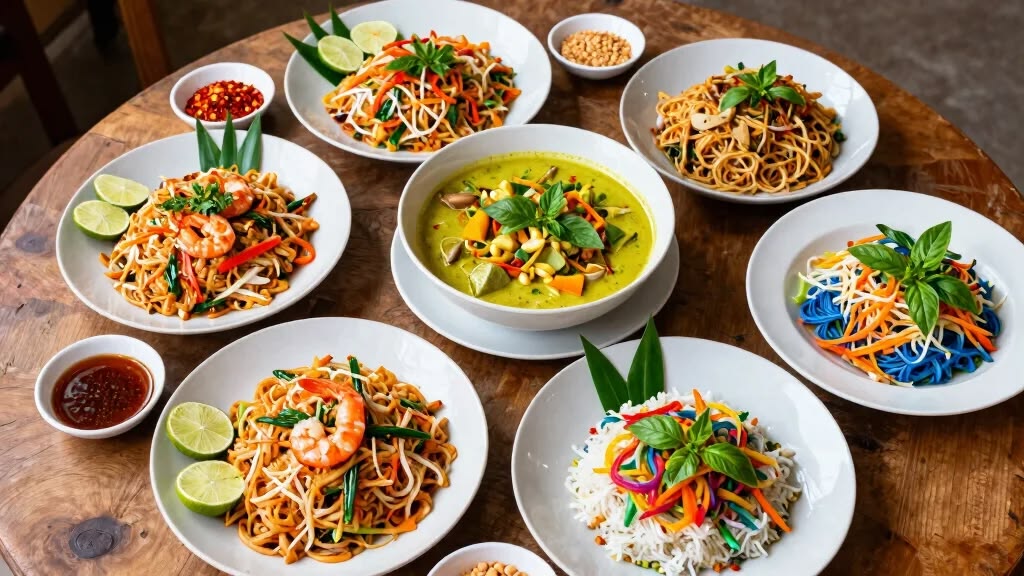
Noodles are another important part of Thai cuisine’s international popularity.
Pad Thai is perhaps the most recognizable example, but Thailand has many other noodle dishes.
Pad Kee Mao, Rad Na, Yam Wun Sen, Khao Soi, boat noodles, and different noodle soups demonstrate the range available.
Different noodle types also create different textures.
Some are wide and chewy.
Others are thin and delicate.
Some are stir-fried, while others are served in broth.
Our guide to Thai noodle dishes explores these options in more detail.
7. Thai Food Has Strong Regional Diversity
Thai cuisine isn’t one uniform style.
Northern, northeastern, central, and southern Thailand all have their own culinary traditions.
Northern cuisine includes dishes such as Khao Soi.
Northeastern Thai food, known as Isan cuisine, is associated with bold flavors, chili, herbs, grilled foods, and fermented ingredients.
Central Thai cuisine includes many dishes that have become internationally recognized.
Southern Thai cuisine is known for strongly flavored curries, seafood, herbs, and chili.
This regional diversity gives Thai cuisine much more depth than its most internationally famous dishes suggest.
Explore our Regional Thai Food Guide for a closer look.
8. Thai Food Combines Familiar and Unfamiliar Ingredients
Thai cuisine can feel both familiar and adventurous.
Rice, noodles, chicken, beef, seafood, vegetables, and eggs are ingredients that many international diners already recognize.
At the same time, Thai food introduces ingredients such as galangal, lemongrass, Thai basil, kaffir lime leaves, and different curry pastes.
This combination can make the cuisine accessible to newcomers while still providing something new to discover.
9. Thai Food Can Be Adapted to Different Spice Preferences
Thai food is often associated with spicy dishes.
Chili certainly plays an important role in many recipes, but not every Thai dish is extremely hot.
There are dishes with mild, aromatic, creamy, savory, sour, or sweet flavor profiles.
This allows diners to explore Thai cuisine according to their own tolerance for spice.
If you prefer milder dishes, our guide to mild Thai food in Bangkok provides useful suggestions.
For diners who enjoy more heat, our guide to spicy Thai dishes explores stronger chili-forward options.
10. Thai Cuisine Has Been Shaped by Cultural Exchange
Thai cuisine developed through interaction with neighboring regions and international cultures.
Trade, migration, and cultural exchange introduced ingredients and cooking techniques that were adapted into local food traditions.
This helped create the diverse cuisine that exists today.
The important point is that these influences became part of Thai cooking through adaptation.
Thai cooks incorporated ingredients and techniques into existing culinary traditions, creating dishes with their own distinct identity.
For more background, read our article about foreign influences on Thai cuisine.
11. Thai Food Works Well for Sharing
Another factor that contributes to the appeal of Thai cuisine is the social nature of dining.
Many Thai meals can include several dishes shared among people at the table.
A group might order:
- A curry
- A soup
- A stir-fry
- Seafood
- Vegetables
- Rice
Everyone can then try different flavors.
This makes Thai cuisine particularly suitable for groups with different preferences.
At Indulge, the Starters & Sharing menu provides dishes designed to be enjoyed together.
12. Thai Food Offers More Than Savory Dishes
Thai cuisine also has an extensive dessert tradition.
Ingredients such as coconut milk, sticky rice, mango, tropical fruits, and palm sugar are used in different sweets.
Mango sticky rice is perhaps the most internationally recognizable Thai dessert.
But it is only one example of Thailand’s wider dessert culture.
At Indulge, visitors can also explore the Desserts menu after their meal.
13. Thai Food Has a Strong Connection With Fresh Ingredients
Fresh herbs, vegetables, seafood, fruits, and aromatic ingredients are important components of many Thai dishes.
Ingredients can contribute different textures and flavors while also making dishes visually appealing.
A fresh herb garnish, colorful vegetables, lime, chili, or tropical fruit can transform the presentation of a dish.
This emphasis on fresh ingredients contributes to the distinctive experience of Thai dining.
14. Thai Food Has Become Part of International Dining Culture
Thai restaurants can now be found in many parts of the world.
This has made dishes such as Pad Thai, Tom Yum, green curry, and other Thai favorites increasingly familiar to international diners.
As Thai food became more accessible outside Thailand, more people were introduced to its flavors.
Those diners could then become interested in exploring regional and less familiar Thai dishes.
This creates a cycle in which internationally recognized dishes introduce people to Thai cuisine, while curiosity encourages them to explore further.
Thai Food Continues to Evolve
The global popularity of Thai cuisine doesn’t mean Thai food has stopped changing.
Modern chefs continue to experiment with ingredients, cooking techniques, presentation, and international formats.
Bangkok is particularly interesting in this respect.
Traditional Thai ingredients can now appear alongside international cuisines in contemporary restaurants.
This creates new interpretations without eliminating the importance of traditional dishes.
Thai-Inspired Fusion in Bangkok
At Indulge Fusion Food & Cocktail Bar, Thai-inspired flavors are combined with international ingredients and formats.
For example, the Basil Leaf Kra Pao with Rib Eye Beef combines Thai basil, garlic, chili, jasmine rice, and a fried egg with rib-eye beef.
The Red Curry River Prawn combines river prawns with Thai red curry and eggplant.
These dishes demonstrate how familiar Thai-inspired flavors can be presented in a contemporary dining environment.
Thai Flavors in International Formats
Thai cuisine can also be adapted into formats that are familiar to international diners.
At Indulge, Spaghetti Khe Mao Seafood combines spaghetti with Thai-inspired spicy flavors, prawns, squid, and clams.
Another example is Papilotte Salmon with tom yum bouillon, which incorporates a familiar Thai flavor profile into a different style of preparation.
This type of fusion dining demonstrates how Thai-inspired flavors can continue to reach new audiences.
Why People Continue to Explore Thai Cuisine
The global popularity of Thai food isn’t based on just one characteristic.
It comes from a combination of factors:
Distinctive flavors
Thai food can combine sweet, sour, salty, spicy, and aromatic elements.
Variety
There are countless dishes, ingredients, and cooking techniques to explore.
Regional diversity
Northern, northeastern, central, and southern cuisines offer different experiences.
Accessibility
Familiar ingredients make many dishes approachable for international diners.
Aromatic ingredients
Herbs and spices give Thai food a recognizable character.
Adaptability
Thai-inspired flavors can work in both traditional and contemporary dishes.
Together, these qualities help explain why Thai cuisine has developed such a broad international audience.
Thai Food in Bangkok Today
Bangkok provides an excellent example of the continued evolution of Thai cuisine.
Visitors can experience traditional dishes, street food, regional specialties, modern Thai restaurants, international dining, and fusion cuisine.
This means you don’t have to choose only one way to experience Thai food.
You can explore traditional flavors while also discovering how contemporary restaurants reinterpret them.
At Indulge, the Signature Mains section combines Thai-inspired dishes with other international options.
For the complete selection, explore the Indulge menu.
Final Thoughts
The worldwide popularity of Thai food can be explained by its combination of distinctive flavors, aromatic ingredients, diverse dishes, regional traditions, and adaptability.
Thai cuisine can appeal to people looking for something spicy and bold, as well as diners who prefer milder or more familiar flavors.
Its international recognition has also made it easier for people to discover the wider world of Thai food.
Once someone moves beyond Pad Thai or green curry, they can discover regional dishes, different noodle preparations, seafood, salads, snacks, desserts, and countless other flavors.
Bangkok’s modern dining scene adds another dimension, with restaurants combining Thai-inspired ingredients and flavors with international cooking styles.
At Indulge Fusion Food & Cocktail Bar, this contemporary approach can be experienced through Thai-inspired mains alongside international food, cocktails, desserts, and sharing dishes.
Explore the Indulge menu and discover why Thai-inspired flavors continue to inspire modern dining in Bangkok.