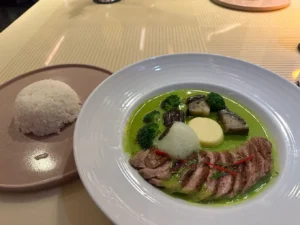
If there is one Thai dish that has become recognized around the world, it is probably Pad Thai.
The stir-fried noodle dish appears on Thai restaurant menus across the globe and is often one of the first dishes international visitors try when they encounter Thai cuisine.
But why is Pad Thai so popular?
Its international appeal comes from several factors.
Pad Thai combines noodles with a balance of sweet, sour, salty, and savory flavors, while ingredients such as egg, vegetables, tofu, seafood, meat, lime, and peanuts add different textures and tastes.
It is also approachable for people who may be trying Thai food for the first time.
However, Pad Thai is only one part of Thailand’s much broader noodle culture.
Understanding what makes Pad Thai distinctive can help you appreciate both the dish itself and the wider world of Thai cuisine.
What Is Pad Thai?
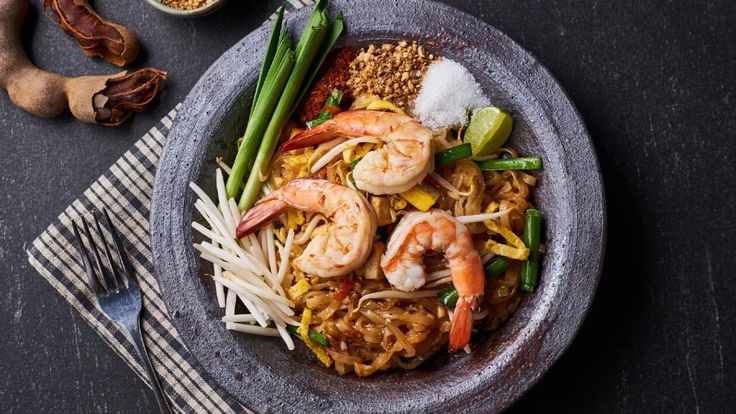
Pad Thai is a Thai stir-fried noodle dish typically prepared using rice noodles.
Depending on the recipe, it can include ingredients such as:
- Rice noodles
- Egg
- Tofu
- Bean sprouts
- Peanuts
- Lime
- Tamarind-based seasoning
- Fish sauce
- Sugar
- Vegetables
- Chicken
- Prawns or other seafood
The ingredients are stir-fried together, creating a combination of textures and flavors.
The finished dish is commonly served with lime and crushed peanuts, allowing diners to adjust the flavor according to their preferences.
Why Is Pad Thai So Popular?
There isn’t one single reason behind its international popularity.
Several characteristics make Pad Thai particularly approachable.
1. It Combines Different Flavors
Pad Thai can bring several contrasting tastes together.
The dish may balance:
Sweetness
Sourness
Saltiness
Savory flavors
Mild heat
Tamarind contributes acidity and depth, while sugar adds sweetness.
Fish sauce contributes saltiness and savory character.
Lime adds freshness and acidity.
Chili can provide additional heat.
This balance is one of the characteristics that makes Pad Thai recognizable.
For a deeper look at Thai flavor combinations, explore our guide to the five flavors of Thai food.
2. The Ingredients Are Relatively Familiar
For someone trying Thai cuisine for the first time, Pad Thai can feel approachable.
Rice noodles, egg, vegetables, tofu, chicken, prawns, lime, and peanuts are familiar ingredients to many diners.
At the same time, the combination of these ingredients with Thai seasonings introduces flavors that may be new.
This balance between familiarity and discovery can make Pad Thai a natural starting point for people exploring Thai food.
3. It Offers Different Protein Options
Pad Thai can be prepared with different proteins.
Depending on the restaurant, you may find versions featuring:
- Chicken
- Prawns
- Seafood
- Tofu
- Beef
- Other ingredients
This flexibility makes it easier for different diners to find a version that suits their preferences.
Vegetarian diners should still confirm the ingredients and sauces used, as traditional seasonings can contain fish or other animal-derived ingredients.
For more vegetarian options, explore our guide to vegetarian Thai dishes.
4. The Texture Makes It Distinctive
Flavor isn’t the only reason Pad Thai stands out.
Texture is also important.
Soft rice noodles are combined with ingredients such as bean sprouts, peanuts, vegetables, and egg.
This creates a combination of soft, crunchy, and chewy textures.
The contrast keeps the dish interesting while adding variety to every bite.
5. It Can Be Customized
One reason Pad Thai works well for different diners is its flexibility.
Depending on the restaurant and preparation, diners may be able to adjust:
- Chili
- Lime
- Peanuts
- Protein
- Vegetables
- Sauce
This means someone who enjoys spicy food can add more chili, while another diner can keep the dish milder.
If you prefer less heat, our guide to mild Thai food in Bangkok provides more options.
6. Pad Thai Is Easy to Recognize
Food plays an important role in how people discover different cultures.
Pad Thai has become strongly associated with Thailand internationally.
As Thai restaurants expanded around the world, Pad Thai became one of the dishes that introduced international diners to Thai cuisine.
Someone who had never tried Thai food before could recognize the dish and feel comfortable ordering it.
That familiarity helped make Pad Thai an important gateway into Thai cuisine.
7. It Works as Both Casual and Restaurant Food
Pad Thai can be found in many different dining environments.
It can be served as a casual meal, street food, or part of a restaurant menu.
This versatility makes it suitable for different dining occasions.
A traveler can enjoy noodles from a casual food vendor during the day and experience contemporary Thai-inspired cuisine at a restaurant in the evening.
Pad Thai and Thailand’s Noodle Culture
Although Pad Thai is internationally famous, it is not the only Thai noodle dish worth trying.
Thailand has a diverse noodle culture.
Other examples include:
- Pad Kee Mao
- Rad Na
- Yam Wun Sen
- Khao Soi
- Boat noodles
- Thai noodle soups
These dishes use different noodle types, sauces, broths, herbs, and cooking methods.
If you enjoy Pad Thai, exploring these dishes can help you discover how diverse Thai noodles really are.
Pad Thai Compared With Other Thai Noodles
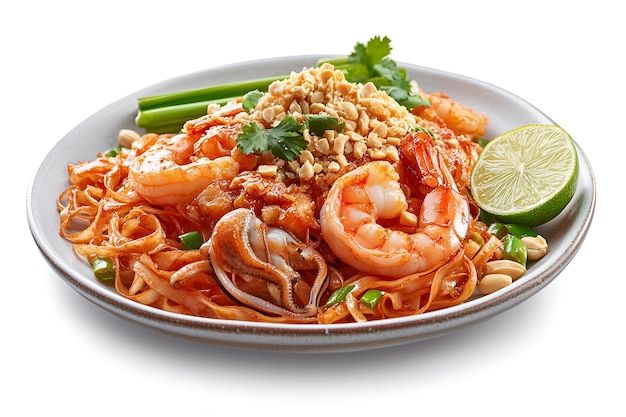
Pad Thai is usually stir-fried and uses rice noodles.
But other Thai noodle dishes offer very different experiences.
Pad Kee Mao
Usually wider noodles with stronger herbal, savory, and spicy flavors.
Rad Na
Wide noodles served with a thick savory gravy.
Yam Wun Sen
Thin glass noodles prepared as a fresh salad.
Khao Soi
Noodles served with a rich curry-based broth and often topped with crispy noodles.
This variety shows why Pad Thai should be considered an introduction to Thai noodles rather than the definition of Thai noodles.
Is Pad Thai Spicy?
Pad Thai is not necessarily an extremely spicy dish.
The level of heat can vary depending on the recipe and restaurant.
Chili may be served separately or added according to preference.
This makes Pad Thai accessible to diners who don’t normally eat spicy food.
If you’re particularly sensitive to chili, ask about the preparation before ordering.
For visitors who want to explore stronger flavors, our guide to spicy Thai dishes provides more options.
Pad Thai and Thai Food Culture
Pad Thai’s international popularity is part of the wider story of Thai cuisine.
Thai food has developed through local traditions, regional differences, cultural exchange, and adaptation.
Many dishes that are now considered representative of Thailand have their own histories and connections to different communities and influences.
Pad Thai therefore exists within a much larger culinary culture.
For a broader introduction, explore our Thai Food Guide.
Pad Thai Is Not the Whole of Thai Cuisine
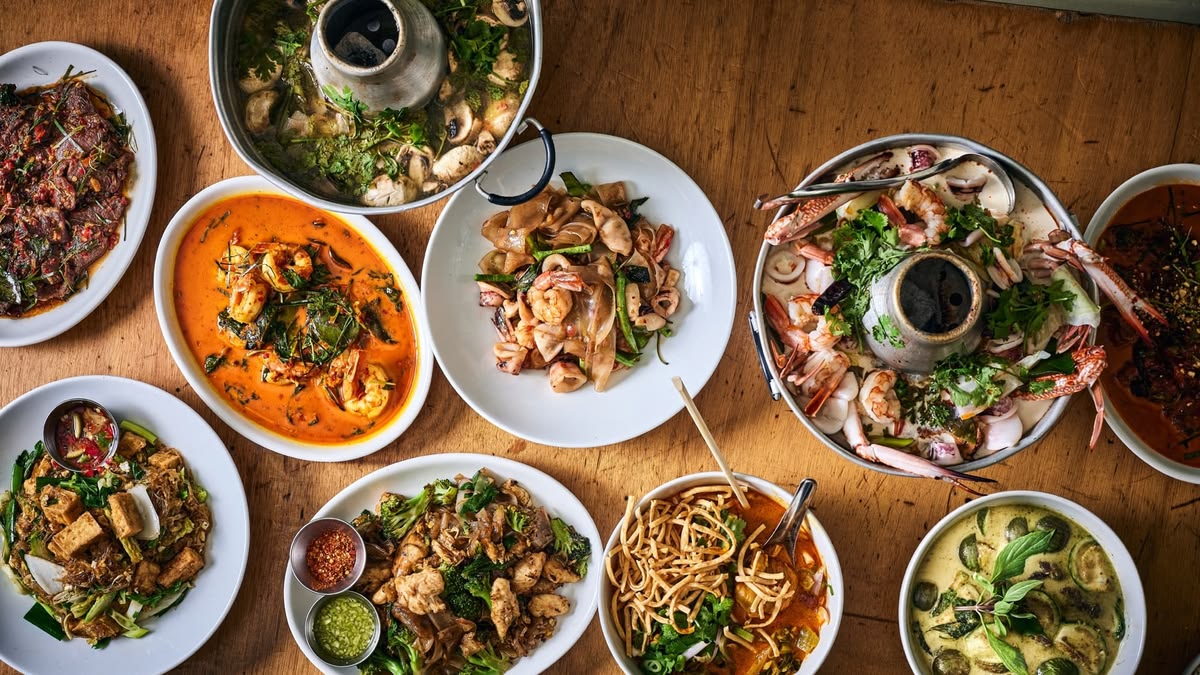
Because Pad Thai is so famous internationally, it can sometimes become the first thing people associate with Thai food.
But Thailand’s cuisine is much broader.
You can explore:
- Curries
- Soups
- Salads
- Seafood
- Rice dishes
- Stir-fries
- Grilled food
- Snacks
- Desserts
- Regional specialties
For a broader overview, read our guide to the varieties of Thai food.
Other Thai Dishes to Try
Once you’ve tried Pad Thai, consider exploring other well-known Thai dishes.
Tom Yum
A hot and sour soup featuring ingredients such as lime, chili, lemongrass, and other aromatics.
Green Curry
A fragrant curry commonly prepared with green curry paste and coconut milk.
Som Tam
A fresh green papaya salad associated particularly with northeastern Thai cuisine.
Pad Kra Pao
A stir-fried dish featuring holy basil, chili, garlic, and a protein.
Massaman Curry
A rich and aromatic curry with its own distinctive flavor profile.
For a dedicated list, explore our guide to 7 Thai dishes you must try.
Pad Thai for First-Time Visitors
If you’re visiting Thailand for the first time, Pad Thai can be a useful starting point.
It combines familiar ingredients with Thai flavors without requiring you to immediately try something unfamiliar.
However, don’t stop there.
Once you’ve tried Pad Thai, explore a different noodle dish.
Then try a curry.
Try a soup.
Order a Thai salad.
Explore seafood.
Try a dessert.
The more dishes you experience, the clearer the diversity of Thai cuisine becomes.
How to Enjoy Pad Thai
There are several simple ways to make the most of the dish.
Add Lime
Fresh lime can add acidity and brightness.
Adjust the Heat
Add chili if you enjoy spicy food.
Add Peanuts
Crushed peanuts provide texture and a nutty flavor.
Try Different Proteins
Chicken, prawns, seafood, and tofu can create very different versions of the dish.
Compare Restaurants
Different restaurants can prepare Pad Thai with noticeably different balances of sweetness, sourness, saltiness, and spice.
Pad Thai in Contemporary Bangkok Dining
Bangkok’s modern restaurant scene has also created new ways to experience Thai-inspired flavors.
Not every contemporary Thai-inspired dish needs to be a traditional preparation.
Restaurants can combine Thai ingredients and flavor profiles with international cooking styles.
At Indulge Fusion Food & Cocktail Bar, for example, Thai-inspired dishes are presented alongside international food.
Thai-Inspired Noodles at Indulge
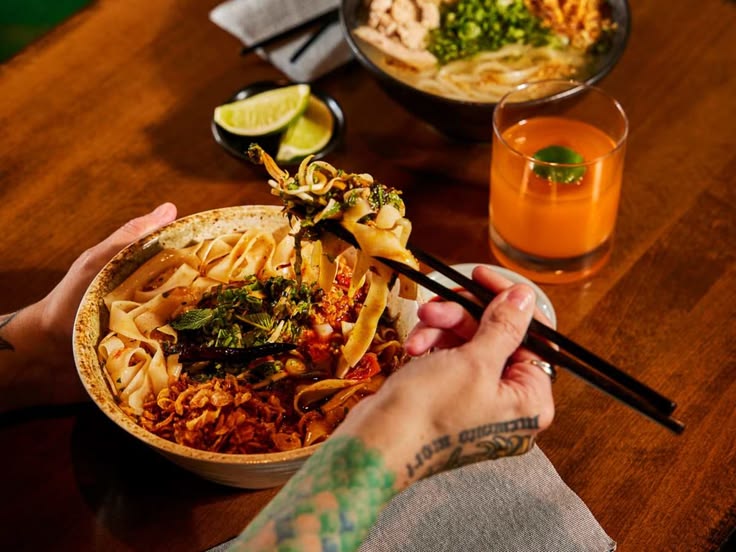
While Pad Thai isn’t the only way to experience Thai-inspired noodles, Indulge offers other interpretations of Thai flavors.
The Spaghetti Khe Mao Seafood combines spaghetti with Thai-inspired spicy flavors, prawns, squid, and clams.
This provides a familiar pasta format while drawing on Thai-inspired flavors.
The Signature Mains section also includes other Thai-inspired dishes.
Other Thai-Inspired Dishes to Explore at Indulge
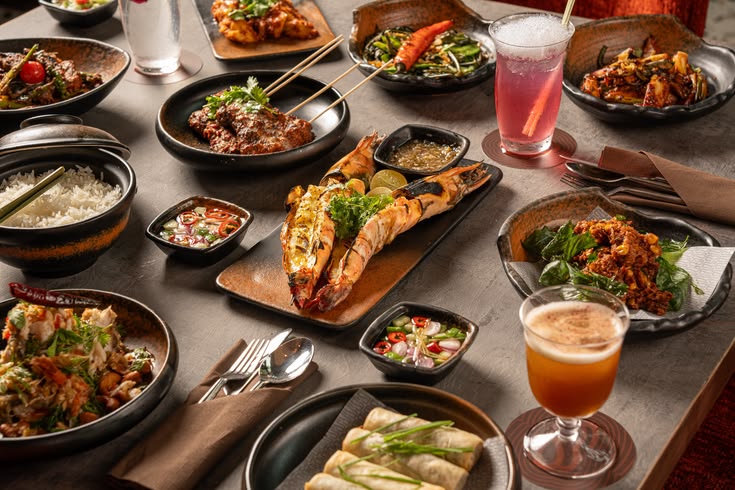
If you want to explore Thai-inspired flavors beyond noodles, you can also consider:
Basil Leaf Kra Pao with Rib Eye Beef
Thai basil, garlic, chili, jasmine rice, and a fried egg are paired with rib-eye beef.
Red Curry River Prawn
River prawns are paired with Thai red curry and eggplant.
These dishes provide contemporary interpretations of familiar Thai-inspired flavor combinations.
Pair Pad Thai-Inspired Flavors With Other Dishes
If you’re dining with friends or family, you can make the meal more varied by sharing several dishes.
Start with something from the Starters & Sharing menu.
Then choose a main course and finish with dessert.
This allows everyone to experience different flavors rather than ordering identical meals.
Don’t Forget Drinks and Dessert

A meal doesn’t have to end with noodles.
You can explore Indulge’s Drinks selection alongside your meal.
Then finish with something from the Desserts menu.
For visitors interested in Bangkok’s cocktail scene, our guide to the best cocktail bars in Bangkok is another useful resource.
Frequently Asked Questions
Why is Pad Thai so popular?
Pad Thai combines familiar ingredients with distinctive Thai flavors and textures. Its balance of sweet, sour, salty, and savory elements, along with its flexibility and international availability, has helped make it widely recognized.
Is Pad Thai traditional Thai food?
Pad Thai is part of Thailand’s modern culinary identity and has become one of the country’s best-known dishes. However, Thai cuisine includes many other traditional and regional dishes beyond Pad Thai.
Is Pad Thai spicy?
Pad Thai does not necessarily have to be very spicy. Chili levels vary by preparation and can often be adjusted according to preference.
What noodles are used in Pad Thai?
Pad Thai is typically prepared using rice noodles, which are stir-fried with the other ingredients.
What should I try after Pad Thai?
Try another Thai noodle dish such as Pad Kee Mao or Khao Soi, or explore a Thai curry, soup, salad, or regional specialty.
Final Thoughts
So, why is Pad Thai so popular?
Its appeal comes from the combination of familiar ingredients, distinctive Thai seasonings, contrasting textures, balanced flavors, and flexibility.
It is approachable enough for someone trying Thai food for the first time while still offering plenty of depth for people who already enjoy the cuisine.
But Pad Thai is only one part of Thailand’s enormous food culture.
Once you’ve tried it, explore other noodle dishes, curries, soups, salads, seafood, snacks, and regional specialties.
If you’re visiting Bangkok, contemporary restaurants also provide opportunities to experience Thai-inspired flavors in new formats.
At Indulge Fusion Food & Cocktail Bar, Thai-inspired dishes are served alongside international cuisine, sharing dishes, cocktails, desserts, and other options.
Explore the Indulge menu and discover more Thai-inspired flavors in Bangkok.