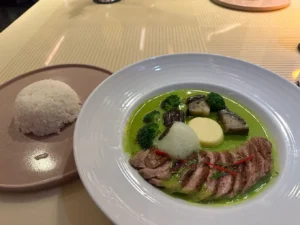
Thailand is famous for its bold flavors, fragrant herbs, spicy curries, fresh seafood, and wide variety of dishes.
For adventurous eaters, that variety can be exciting.
But if you’re a picky eater, unfamiliar ingredients, strong flavors, chili, seafood, or dishes with unusual textures can make ordering food feel more difficult.
The good news is that you don’t need to enjoy every ingredient to enjoy Thai food.
Thailand has an enormous range of dishes, and many meals can be adapted to suit different preferences.
Whether you avoid spicy food, don’t eat seafood, prefer familiar ingredients, or simply want to start slowly, there are plenty of ways to make your dining experience easier.
1. Don’t Assume Every Thai Dish Is Spicy
One of the biggest misconceptions about Thai food is that everything is extremely spicy.
That’s not the case.
Thai cuisine includes soups, rice dishes, noodles, grilled foods, stir-fries, desserts, vegetables, and other preparations with very different flavor profiles.
Some dishes are naturally mild, while others contain significant amounts of chili.
If you don’t enjoy spicy food, simply ask about the spice level before ordering.
You can also explain that you prefer your food mild.
For a dedicated guide to milder options, explore our article on mild Thai food in Bangkok.
2. Start With Ingredients You Already Like
If you’re a picky eater, you don’t have to begin with the most unfamiliar dish on the menu.
Instead, think about ingredients you already enjoy.
Do you like chicken?
Look for chicken-based dishes.
Prefer beef?
There are Thai-inspired beef dishes as well.
Enjoy rice or noodles?
These can provide a familiar base for exploring new flavors.
Seafood lovers can also find plenty of options, while vegetarian diners can focus on vegetables, tofu, mushrooms, and plant-based dishes.
Starting with familiar ingredients makes it easier to experiment with new sauces, herbs, and seasonings.
3. Ask About Chili Before Ordering
Chili is used in many Thai dishes, but the amount can vary significantly.
A dish that looks relatively simple may still contain fresh chili, dried chili, or a spicy curry paste.
If you’re sensitive to heat, don’t hesitate to ask whether a dish is spicy.
You can also request less chili where the preparation allows it.
However, keep in mind that some dishes are built around their spicy character, so reducing the chili may change the intended flavor.
If you actually enjoy heat, our guide to spicy Thai dishes can help you discover some of the more chili-forward options.
4. Try Thai Food With Familiar Formats
Some picky eaters are more comfortable trying new flavors when the basic format of the food is familiar.
Rice, noodles, grilled meat, pasta, seafood, and fried dishes can all provide recognizable starting points.
This is one reason contemporary Bangkok restaurants can be useful for travelers who are not ready to eat traditional Thai food at every meal.
At Indulge Fusion Food & Cocktail Bar, for example, the menu combines Thai-inspired dishes with pasta, burgers, seafood, steaks, comfort food, sharing plates, and other international options.
That means everyone at the table can find something familiar while still having the opportunity to explore Thai-inspired flavors.
5. Don’t Ignore Rice and Noodles
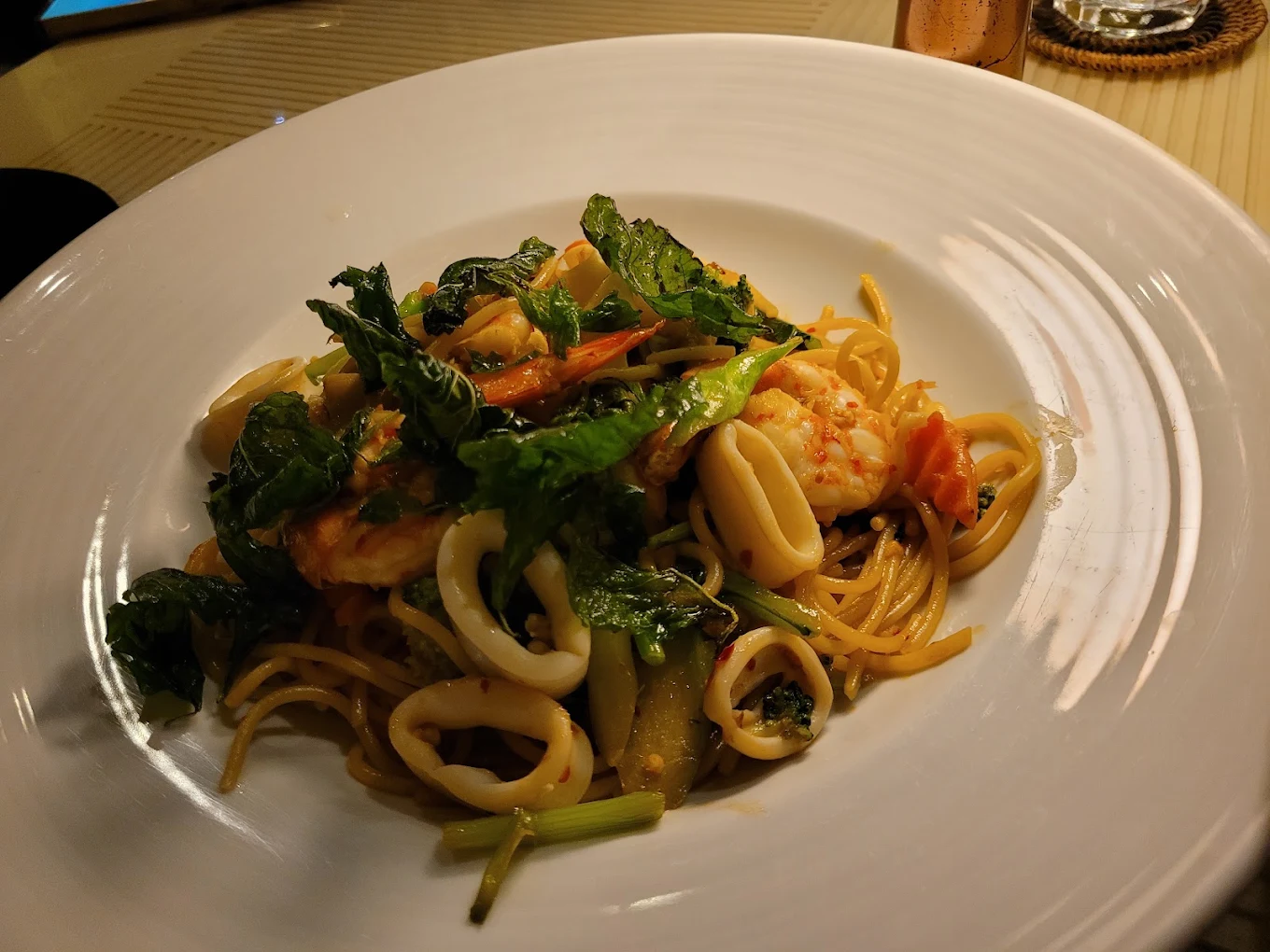
Rice and noodles are among the easiest starting points for people who are cautious about unfamiliar foods.
Rice is an important part of Thai cuisine and is served alongside many dishes.
Noodles are also used in a wide range of preparations.
If you prefer simple flavors, a rice or noodle-based meal can provide a familiar foundation while you experiment with sauces, herbs, vegetables, or proteins.
At Indulge, Spaghetti Khe Mao Seafood takes a familiar pasta format and combines it with Thai-inspired spicy flavors and seafood.
6. Look Beyond the Most Famous Thai Dishes
If the only Thai dishes you know are Tom Yum and green curry, you may assume the entire cuisine revolves around spicy soups and curries.
It doesn’t.
Thai cuisine includes many different categories:
- Rice dishes
- Noodles
- Stir-fries
- Soups
- Salads
- Grilled dishes
- Snacks
- Desserts
- Curries
- Vegetable dishes
Learning about these different categories makes it easier to find something that matches your preferences.
Our guide to the types of Thai food provides a broader overview of these categories.
7. Try Mild Thai Dishes First
If strong flavors are the main reason you’re hesitant about Thai food, start with dishes where chili isn’t the dominant element.
You can explore dishes featuring:
- Rice
- Chicken
- Grilled meats
- Vegetables
- Noodles
- Coconut-based preparations
- Mild stir-fries
This doesn’t mean the food will be completely plain.
Thai cuisine uses herbs, garlic, sauces, and aromatic ingredients even when chili isn’t the main feature.
That allows you to experience Thai cooking without immediately choosing one of the hottest dishes on the menu.
8. Vegetarian Diners Have Plenty of Options
If you don’t eat meat or simply prefer vegetables, Thai cuisine has plenty of vegetable-based dishes.
However, there is one important consideration.
Some Thai dishes that appear vegetarian may contain fish sauce, shrimp paste, oyster sauce, or animal-based stock.
If you follow a strict vegetarian or vegan diet, always confirm the ingredients with the restaurant.
Our guide to vegetarian Thai dishes covers several dishes and ingredients that can help you explore Thai cuisine without relying on meat.
9. Be Careful With Seafood
Seafood is an important part of Thai cuisine, particularly in coastal regions and Bangkok’s extensive restaurant scene.
But if you’re a picky eater who dislikes seafood, don’t assume you will have limited choices.
Thai-inspired menus often include chicken, beef, vegetables, mushrooms, noodles, rice, and other alternatives.
At Indulge, for example, seafood is only one part of a much broader menu.
Guests can also choose from premium meats, burgers, pasta, comfort food, sharing dishes, desserts, and drinks.
This makes it easier for groups with different preferences to dine together.
For those who do enjoy seafood, our guide to seafood restaurants in Bangkok explores seafood dining at Indulge.
10. Don’t Be Afraid to Ask Questions
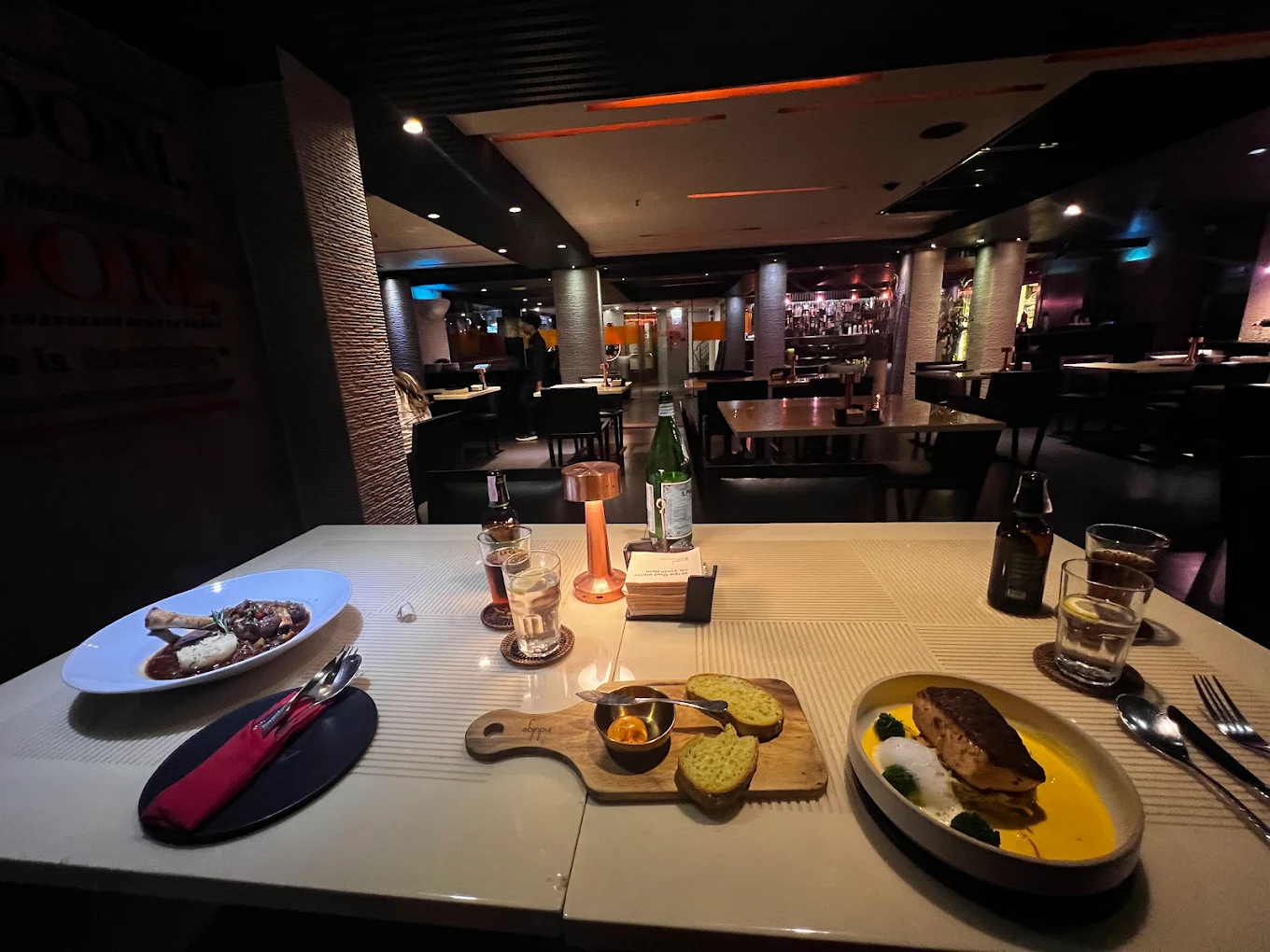
When you’re unsure about a dish, asking questions can save you from ordering something you won’t enjoy.
You can ask:
- Is this dish spicy?
- Does it contain seafood?
- Is there fish sauce?
- Does it contain coconut milk?
- What type of meat is used?
- Can the chili be reduced?
- What vegetables are included?
This is particularly useful when you’re trying unfamiliar Thai dishes for the first time.
Restaurants are accustomed to diners having different preferences, so explaining what you don’t eat can make the ordering process much easier.
11. Explore Thai Flavors Gradually
You don’t need to understand every Thai ingredient before enjoying Thai cuisine.
Start with flavors you’re comfortable with.
Then gradually try something new.
For example, you might begin with a mild rice dish.
Next time, try a dish with Thai basil or lemongrass.
Then explore a slightly spicy preparation.
Eventually, you may discover that ingredients you once avoided are actually some of your favorites.
Thai food is particularly well suited to this approach because its flavor combinations are so diverse.
If you want to understand how different tastes work together, our guide to the five flavors of Thai food is a useful introduction.
12. Try Thai Ingredients in Familiar Dishes
You don’t necessarily have to jump directly into a traditional Thai dish.
Modern Bangkok restaurants often use Thai ingredients in international formats.
This can provide a comfortable middle ground.
For example, Thai basil can be combined with beef.
Tom Yum-inspired flavors can be used in other preparations.
Thai spices and sauces can be incorporated into pasta, seafood, or other international dishes.
At Indulge, the menu follows this approach with dishes such as Papilotte Salmon with tom yum bouillon.
The salmon provides a familiar ingredient while the tom yum-inspired element introduces Thai flavors.
13. Don’t Forget Dessert
If savory Thai dishes feel intimidating, dessert can be an easy way to experience Thai ingredients.
Thai desserts commonly use ingredients such as:
- Coconut milk
- Sticky rice
- Mango
- Banana
- Palm sugar
- Tropical fruits
Mango sticky rice is one of the most recognizable examples.
Thai desserts tend to be very different from the spicy and savory dishes that many visitors associate with Thai cuisine.
They can therefore be a simple introduction to another side of the country’s food culture.
At Indulge, you can also explore the Desserts section after your meal.
14. Share Dishes With Your Group

If you’re traveling with friends or family, sharing can make trying unfamiliar food much easier.
Instead of ordering five dishes that you don’t know whether you’ll enjoy, choose a few different options and share them.
You can then try a small amount of each.
This approach works particularly well with Thai cuisine because many meals naturally involve several dishes on the table.
At Indulge, the Starters & Sharing menu provides options designed for sharing.
15. Choose a Restaurant With a Varied Menu
For a picky eater, restaurant choice can be just as important as dish selection.
A restaurant with a very specialized menu may leave you with limited options if you don’t enjoy its main cuisine.
A broader menu gives everyone more flexibility.
This is particularly useful when traveling with a group.
At Indulge, Thai-inspired food is served alongside international dishes including seafood, steaks, pasta, burgers, comfort food, desserts, cocktails, and other drinks.
This means you can explore Thai flavors at your own pace without feeling pressured to order something completely unfamiliar.
What to Order at Indulge if You’re a Picky Eater
If you’re visiting Indulge and want to explore Thai-inspired flavors gradually, you can build your meal around familiar ingredients.
For example, the Basil Leaf Kra Phao with Rib Eye Beef combines rib-eye beef with Thai basil, garlic, chili, jasmine rice, and a fried egg.
If you enjoy seafood, the Red Curry River Prawn combines river prawns with Thai red curry and eggplant.
If you want something smaller to share, explore Starters & Sharing.
And if you’re still not ready for Thai-inspired flavors, the broader menu includes international dishes as well.
Drinks Can Help Balance the Meal

A refreshing drink can also be useful when trying stronger flavors.
Citrus, herbs, tropical fruits, and other ingredients are commonly used in contemporary drinks.
Indulge’s Drinks menu offers cocktails and non-alcoholic options alongside the food menu.
If you’re particularly interested in cocktails, our guide to the best cocktail bars in Bangkok provides another resource for exploring the city’s drinks scene.
A Simple Strategy for Picky Eaters in Thailand
If you want a simple approach, use these steps:
Start familiar
Choose an ingredient or format you already enjoy.
Ask about spice
Don’t assume every dish is mild or spicy.
Try small portions
Sharing makes experimentation easier.
Explore one new ingredient
You don’t have to change everything at once.
Keep alternatives available
Choose restaurants where your group has several options.
Don’t pressure yourself
Trying new food should be enjoyable, not stressful.