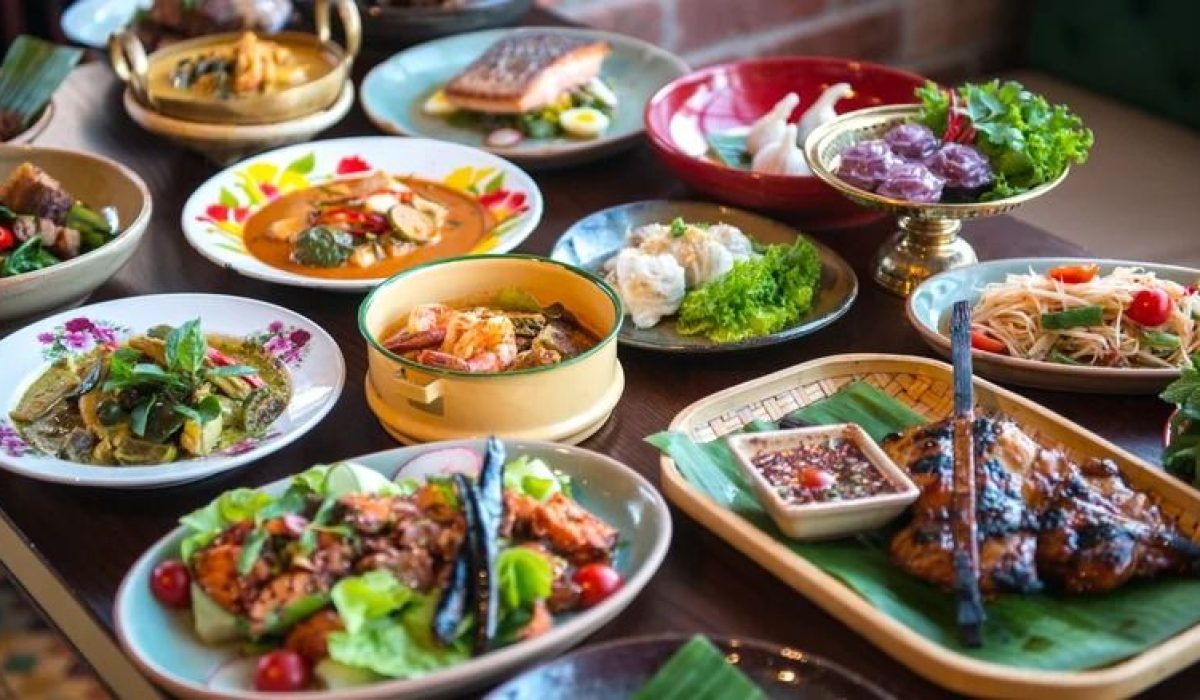
Thai cuisine is much more diverse than the familiar combination of Pad Thai, green curry, and Tom Yum that many international diners first encounter.
Across Thailand, food is served in many different forms, from small snacks and fresh salads to aromatic soups, spicy curries, rice dishes, desserts, and chili-based accompaniments.
What makes these types of Thai food particularly interesting is the way they use different combinations of sweet, sour, salty, spicy, and aromatic flavors.
A meal can include several different dishes at once, allowing diners to experience contrasting textures and flavors rather than relying on one large main course.
If you are new to Thai cuisine, understanding the major categories is a useful starting point.
What Makes Thai Cuisine So Diverse?
Thai food has developed through regional traditions, local ingredients, cultural influences, and generations of cooking techniques.
This means there is no single flavor or preparation that represents all Thai food.
Some dishes are intensely spicy.
Others focus on sourness, herbs, coconut, grilled ingredients, or savory sauces.
Rice and noodles provide a foundation for many meals, while vegetables, seafood, meat, herbs, and spices add different textures and flavors.
The five major tastes often associated with Thai cooking—sweet, sour, salty, spicy, and bitter—can appear in different combinations depending on the dish.
If you want to understand how these tastes interact, our guide to the five flavors of Thai food explores the concept in more detail.
1. Thai Snacks and Small Bites
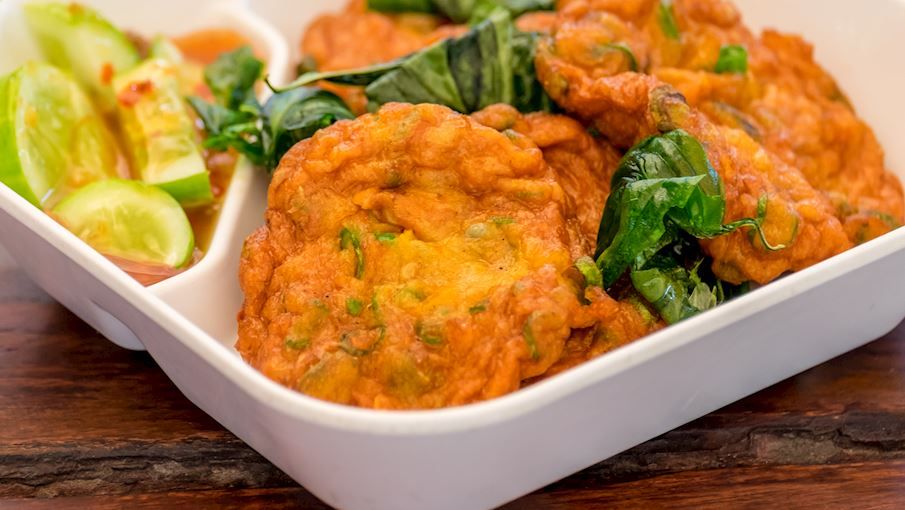
Thai snacks are an important part of the country’s food culture.
They can be enjoyed between meals, while exploring a city, or as part of a larger meal.
Common examples include spring rolls, satay, dumplings, and other fried or grilled snacks.
The original article also highlights stuffed dumplings, spring rolls, satay, and crisp-fried noodles as examples of Thai snacks and sides.
These foods often combine contrasting textures.
Something crispy may be served with a sweet or spicy sauce, while grilled ingredients can be paired with fresh herbs or a dipping sauce.
This makes snacks an easy way to explore Thai flavors without committing to a large dish.
If you want to explore this category in more detail, read our guide to popular Thai snacks.
2. Thai Chili Dips
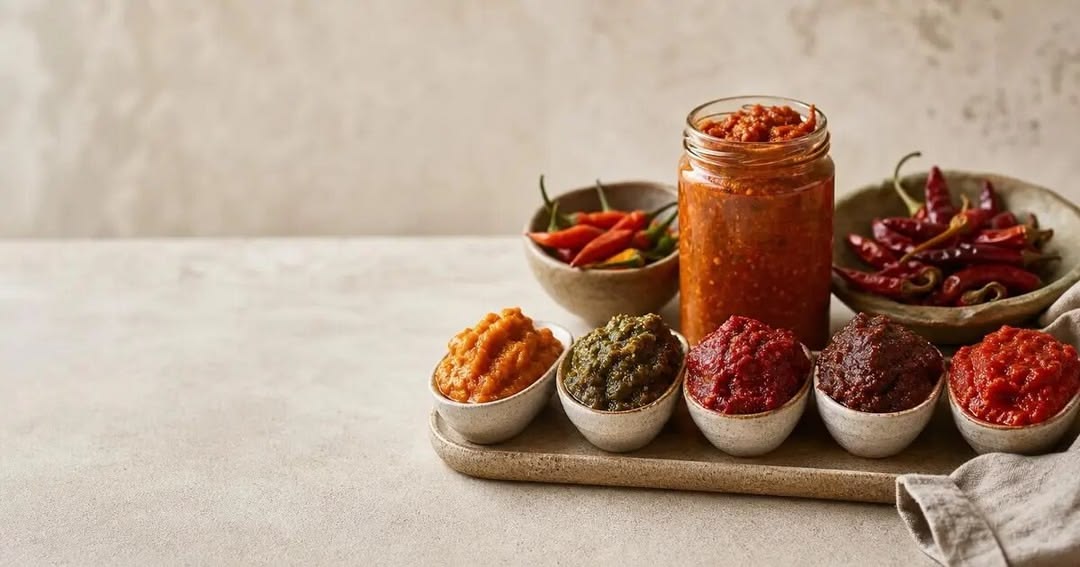
Chili dips are another important part of Thai food.
Known in Thailand as nam prik, these preparations can combine ingredients such as chilies, garlic, onion, tamarind, shrimp paste, and other seasonings.
They can be served with vegetables, meat, fish, or rice.
The original article describes chili dips as versatile accompaniments that can be used with different foods and can vary considerably depending on the ingredients.
Their role is not necessarily to make a meal extremely spicy.
Instead, they can add heat, acidity, saltiness, and aromatic depth to otherwise simple ingredients.
This is another example of how Thai meals often rely on several components working together.
3. Thai Salads
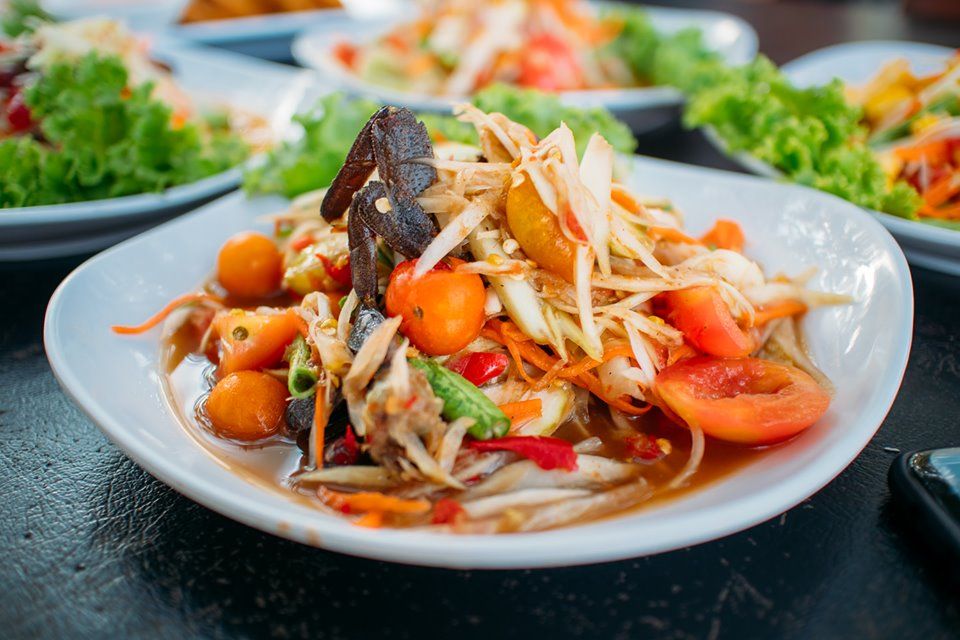
Thai salads are very different from many Western-style salads.
They often combine fresh ingredients with dressings containing lime, fish sauce, sugar, and chili.
The result can be sweet, sour, salty, and spicy at the same time.
The Thai term yam is associated with a group of salads that can include seafood, meat, vegetables, or fruit.
Som Tam is another well-known example of a Thai salad, using shredded green papaya with chili, lime, and other seasonings.
The fresh ingredients provide texture, while the dressing creates much of the dish’s character.
For diners who prefer lighter dishes but still want bold flavors, Thai salads can be a particularly interesting part of the cuisine.
4. Thai Soups
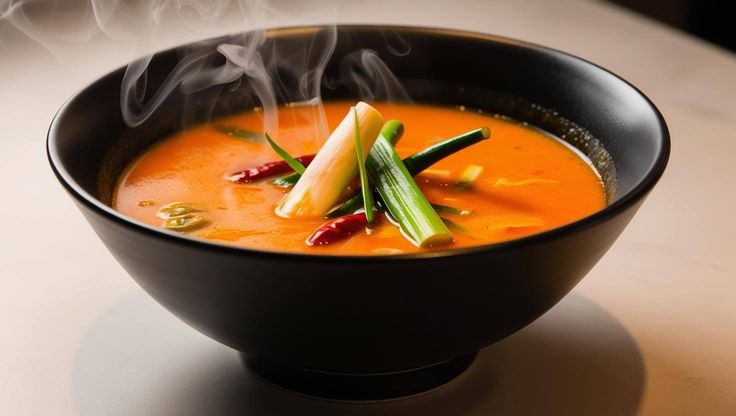
Thai soups range from clear and aromatic broths to intensely spicy preparations.
Tom Yum is one of the best-known examples, combining ingredients such as lemongrass, lime, chili, and other aromatics.
Other soups can be built around meat, seafood, vegetables, or different combinations of herbs and spices.
The original article notes that Thai soups are commonly served alongside other dishes rather than necessarily being treated as a separate first course.
This is important when thinking about how Thai meals are structured.
A soup can become part of the overall meal, with diners sharing different dishes and combining them with rice.
If you want to explore this category further, read our guide to Thai soups you should try.
5. Thai Curries
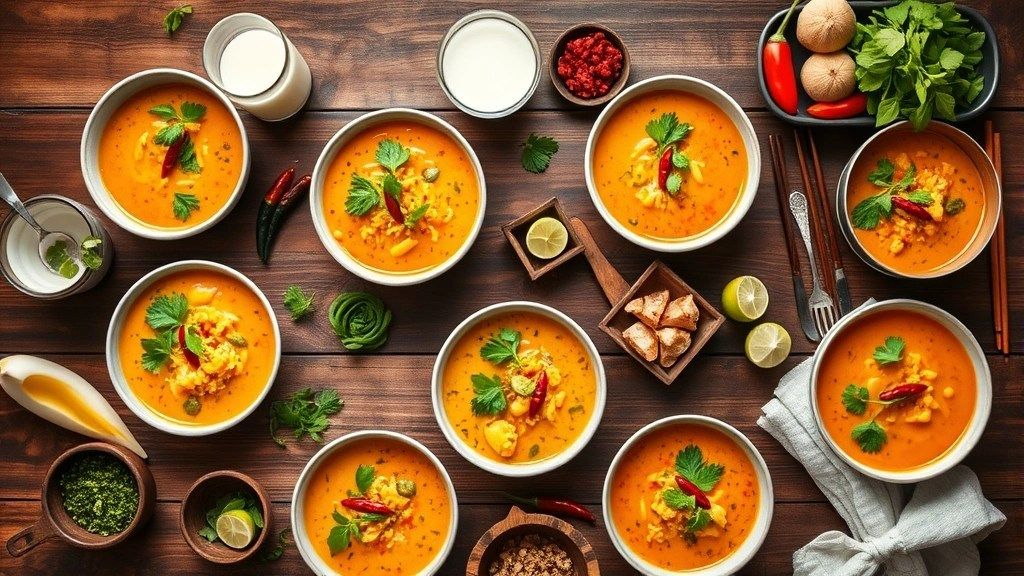
Curries are among the most recognizable types of Thai food.
Thai curry pastes can include ingredients such as chilies, garlic, galangal, coriander root, lemongrass, and other herbs and spices.
The paste is then cooked with ingredients such as coconut milk or coconut cream, meat, seafood, vegetables, or tofu depending on the recipe.
Green curry and red curry are internationally familiar examples, but Thailand has many regional curry traditions.
Southern Thai curries, for example, can be particularly intense and chili-forward.
Kua Kling and Tai Pla are examples of strongly flavored southern Thai preparations.
If you want to explore some of Thailand’s hottest dishes, read our guide to the hottest Thai dishes.
For a broader look at spicy Thai cooking, you can also explore our guide to spicy Thai dishes.
6. Thai Rice Dishes
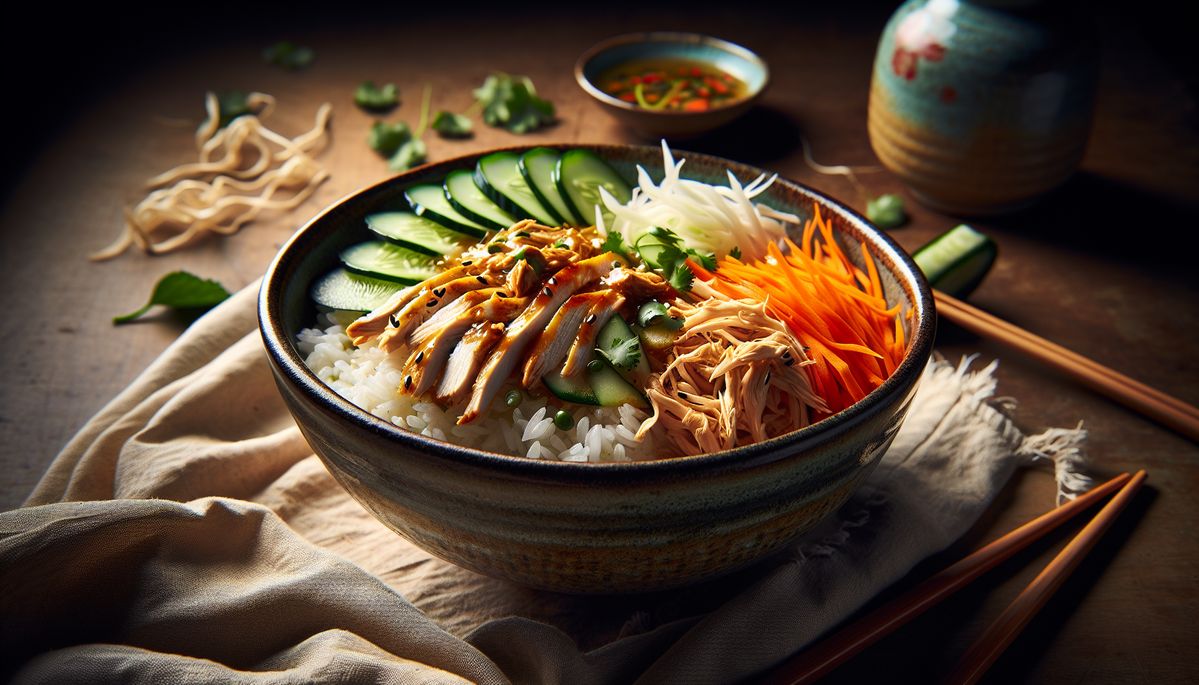
Rice is central to Thai cuisine.
Jasmine rice is one of the most familiar varieties and is commonly served alongside savory dishes.
Sticky rice, known as khao niao, is particularly associated with northeastern and northern Thai food and is also used in desserts.
Rice can also become the main component of a dish.
Fried rice, rice-based desserts, and various regional preparations demonstrate how versatile this ingredient can be.
The original article specifically discusses jasmine rice, sticky rice, brown rice, and colored rice as examples of rice varieties found in Thailand.
Rice also plays an important role in balancing strongly flavored dishes.
A spoonful of fragrant rice alongside a spicy curry can provide a neutral base that allows the other flavors to stand out.
7. Thai Noodle Dishes
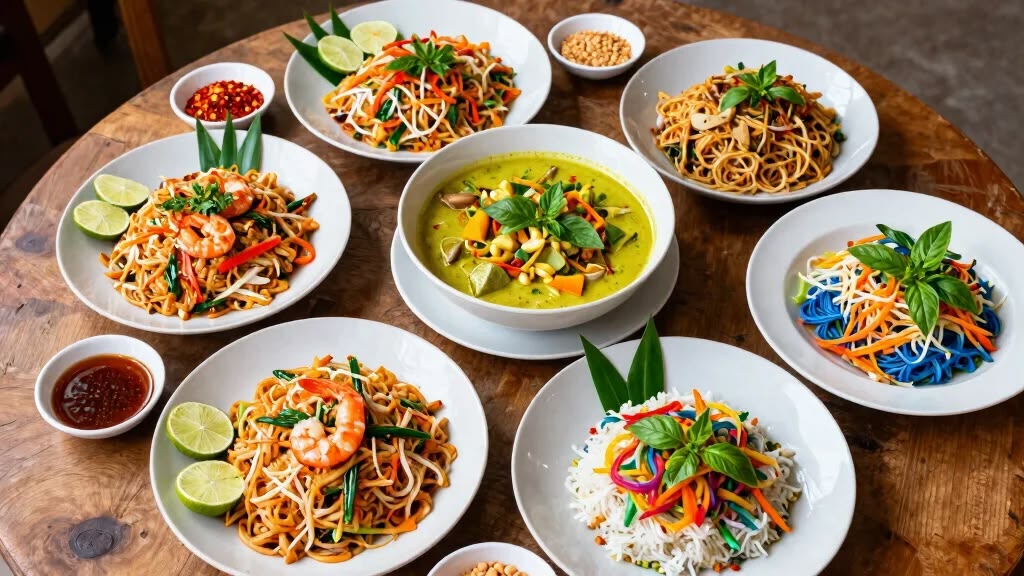
Noodles are another major category of Thai food.
Pad Thai is perhaps the best-known example internationally, but it represents only a small part of Thailand’s noodle culture.
Different types of noodles can be stir-fried, served in broth, or combined with seafood, meat, vegetables, herbs, and sauces.
Bangkok’s contemporary restaurants also use Thai-inspired noodle dishes in modern ways.
At Indulge, for example, Spaghetti Khe Mao Seafood combines a Western-style pasta format with Thai-style spicy stir-fried flavors and seafood.
The dish includes prawns, squid, and clams, creating a clear connection between international pasta and Thai-inspired seasoning.
This is a useful example of how traditional Thai flavor ideas can appear within contemporary fusion cuisine.
8. Thai Desserts
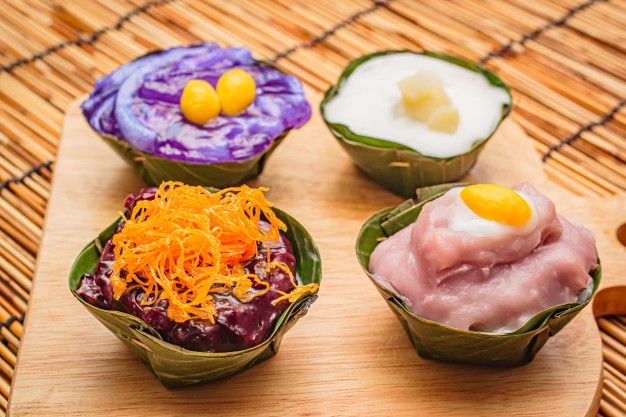
Thai desserts provide a completely different experience from the spicy and savory dishes that often receive the most attention.
Coconut milk, sticky rice, tropical fruits, palm sugar, and sweet syrups are commonly used.
Mango sticky rice is perhaps the most recognizable example.
The combination of ripe mango, sticky rice, and sweet coconut-based flavors provides a simple but satisfying contrast to the stronger flavors found in many savory Thai dishes.
Other desserts use bananas, coconut cream, crushed ice, and sweetened syrups.
Desserts also demonstrate how Thai cuisine uses familiar ingredients in different ways.
The same coconut or sticky rice that may appear in one context can become part of an entirely different dish when combined with fruit and sweetness.
Regional Differences in Thai Food
One of the best ways to understand Thai food is to look beyond individual dishes and consider the country’s regions.
Thai cuisine is often discussed through four broad regional traditions:
Central Thai Food
Central Thai cooking includes many of the dishes most commonly associated with Thai cuisine internationally, including curries, soups, stir-fries, and rice dishes.
Northern Thai Food
Northern cooking has its own ingredients, preparations, and traditions, with influences that distinguish it from central and southern cuisine.
Northeastern Thai Food
Isan cuisine is known for bold flavors, fresh herbs, chili, fermented ingredients, grilled meats, and dishes such as Som Tam.
Southern Thai Food
Southern Thai cuisine is particularly associated with strong curries, seafood, chili, herbs, and intense flavor combinations.
If you want to explore these differences in greater detail, our Regional Thai Food Guide covers the major regional styles.
Thai Food Isn’t Always Spicy
The reputation of Thai cuisine as spicy can sometimes give visitors the wrong impression.
There are plenty of dishes that focus on herbs, coconut, vegetables, grilled ingredients, rice, noodles, or savory sauces rather than intense chili.
Even dishes that traditionally contain chili can sometimes be prepared at different spice levels.
This is useful to remember when ordering.
If you do not enjoy very spicy food, ask about the heat level before ordering and explain your preference.
Our guide to mild Thai food in Bangkok offers more ideas for diners who want to explore Thai flavors without focusing on strong chili.
Exploring Thai-Inspired Food at Indulge
The variety of Thai cuisine also provides inspiration for Bangkok’s modern restaurant scene.
At Indulge Fusion Food & Cocktail Bar, Thai-inspired flavors are combined with international ingredients and cooking styles.
The menu includes dishes such as Basil Leaf Kra Phao with Rib Eye Beef, combining rib-eye beef with Thai basil, garlic, chili, jasmine rice, and a fried egg.
Another option is the Red Curry River Prawn, which pairs wild-caught river prawns with spicy Thai red curry and eggplant confit.
These dishes take recognizable Thai flavors and incorporate them into a contemporary menu.
You can explore more of these dishes in the Signature Mains section.
Thai Flavors Across a Modern Menu
Indulge’s menu is not limited to Thai-inspired dishes.
The restaurant also serves seafood, steaks, burgers, pasta, comfort food, sharing plates, desserts, cocktails, breakfast, and brunch.
This creates an environment where diners can explore Thai-inspired flavors alongside international dishes.
For example, the Starters & Sharing section includes dishes such as Tom Yum Fries, while the main menu combines Thai-inspired preparations with seafood and international comfort food.
For a broader look at the seafood options, explore our guide to seafood restaurants in Bangkok.
Thai Food and Drinks
Drinks are another important part of the modern Bangkok dining experience.
Thai ingredients such as lemongrass, basil, citrus, and tropical fruits can also appear in cocktails and other beverages.
At Indulge, the Drinks menu includes cocktails and non-alcoholic choices designed to accompany the restaurant’s food selection.
The restaurant’s Thai-inspired ingredients also connect naturally with its cocktail menu.
For more information about Bangkok’s cocktail scene, explore our guide to the best cocktail bars in Bangkok.
How to Explore Thai Food as a First-Time Visitor
If you are new to Thai cuisine, you do not need to try everything at once.
Start with a few different categories.
You might choose a soup, a curry, a salad, a rice or noodle dish, and a dessert.
This gives you an opportunity to experience different textures and flavor profiles in one meal.
For groups, sharing several dishes is particularly useful because everyone can try something different.
You can also adjust the balance of spicy and mild dishes according to your preferences.
The goal should be to explore the variety rather than simply choose the most famous dish on the menu.
What Makes Thai Food So Interesting?
The biggest strength of Thai cuisine is its variety.
A fresh salad can taste completely different from a rich curry.
A clear soup can provide a very different experience from a chili-heavy southern preparation.
Sticky rice can be savory in one context and sweet in another.
Vegetables can be served fresh, stir-fried, grilled, or incorporated into curry.
And familiar Thai ingredients can also be used in modern international dishes.
This combination of tradition and experimentation is part of what makes Bangkok such an interesting food destination.
Discover the Variety of Thai-Inspired Dining at Indulge
If you want to explore Thai-inspired flavors while keeping plenty of international options available, Indulge Fusion Food & Cocktail Bar offers a broad menu in Bangkok.
You can explore Thai-inspired mains, seafood, sharing dishes, pasta, burgers, desserts, cocktails, breakfast, and brunch in the same dining destination.
The Indulge menu provides the best overview of the restaurant’s current selection.
For groups and special occasions, you can also explore private events and group dining at Indulge.