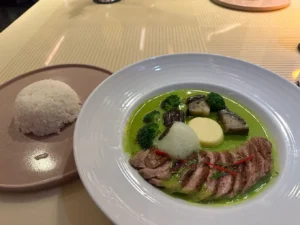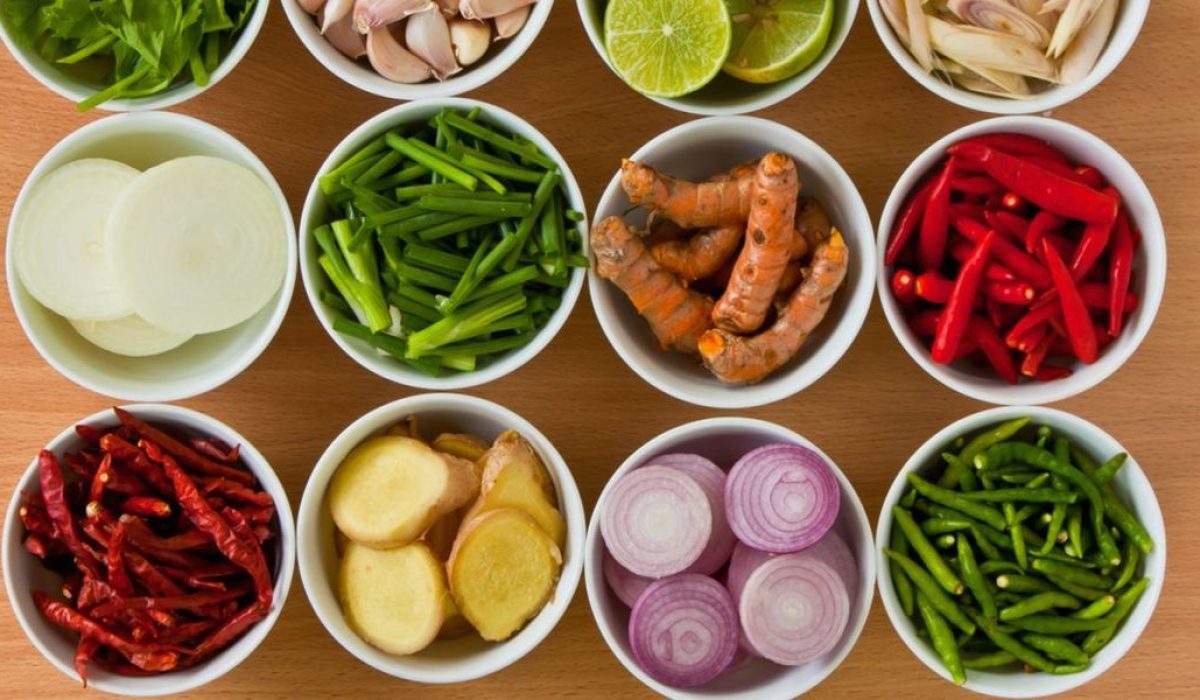
Thai cuisine is known for its bold flavors, but understanding those flavors often starts with understanding the ingredients behind them.
When you look at a Thai menu, you may come across ingredients that are familiar, such as garlic, lime, chili, rice, and vegetables. Others, including galangal, lemongrass, Thai basil, curry pastes, and fermented ingredients, may be less familiar.
Learning what these ingredients contribute to a dish can make Thai food much easier to understand.
Instead of simply choosing a dish because it sounds familiar, you can start recognizing whether it is likely to be spicy, aromatic, sour, rich, fresh, or savory.
Here are three practical ways to become more familiar with Thai ingredients and understand how they work together.
Why Understanding Thai Ingredients Matters
Thai cuisine is built around combinations.
A single ingredient rarely tells you everything about what a dish will taste like.
Chili can provide heat, but lime can add acidity. Lemongrass can bring a fresh aroma, while garlic adds depth. Coconut milk can make a curry rich and creamy, while herbs can give it freshness.
This is why learning a few key ingredients can help you understand a much wider range of Thai food.
For example, recognizing the difference between Thai basil and lemongrass gives you an immediate clue that two dishes may have very different aromatic profiles.
Likewise, knowing that tamarind provides a sour and slightly sweet character can help explain the flavor of certain sauces and curries.
The goal isn’t to memorize every ingredient in Thai cooking.
It is to understand the ingredients that appear most frequently and recognize the role they play.
1. Start With the Essential Thai Herbs and Aromatics
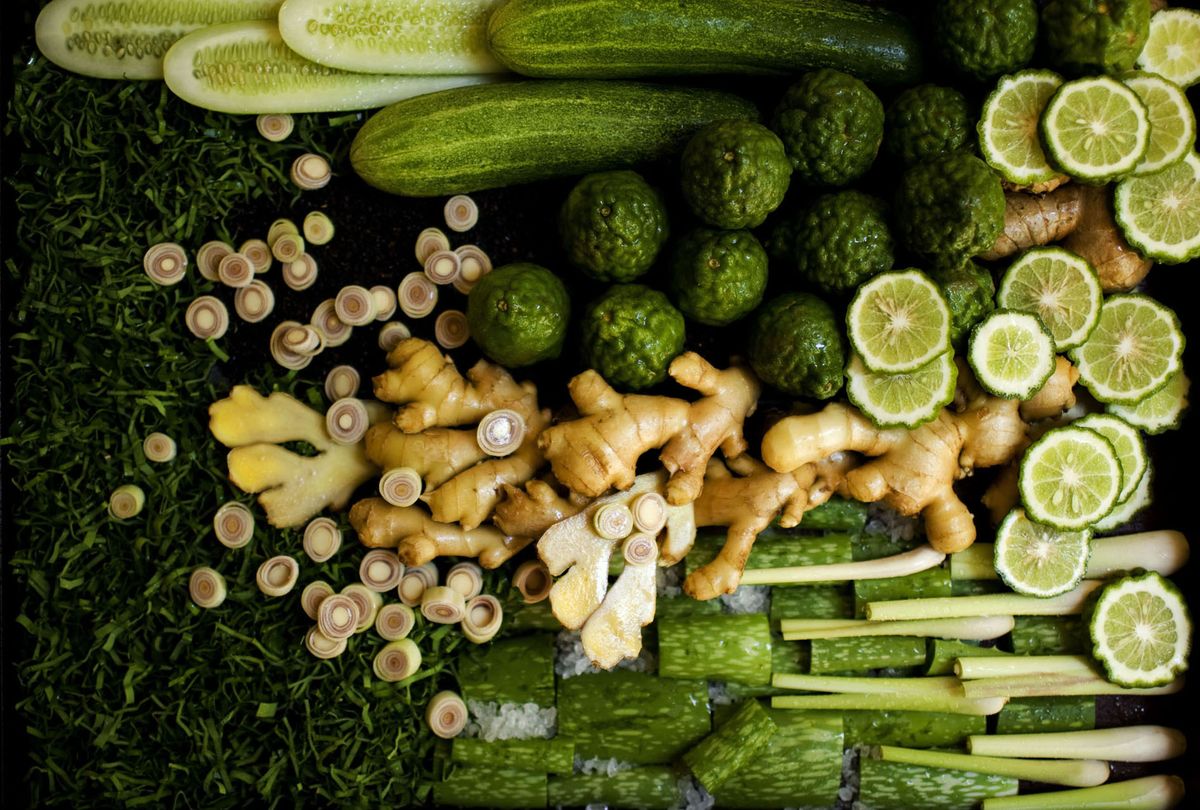
One of the easiest ways to understand Thai cooking is to become familiar with its herbs and aromatic ingredients.
These ingredients can dramatically influence the character of a dish.
Lemongrass
Lemongrass has a fresh, citrus-like aroma and is commonly associated with Thai soups, curries, marinades, and other preparations.
It does not simply make a dish taste like lemon. Instead, it contributes a distinctive fragrance that works particularly well alongside chili, lime, garlic, and other herbs.
If you want to explore this ingredient in more detail, our guide to lemongrass in Thai cuisine explains its role in Thai cooking.
Galangal
Galangal is related to ginger but has a noticeably different aroma and flavor.
It is frequently used in Thai soups and curry pastes.
It contributes an earthy and aromatic character and works particularly well with ingredients such as lemongrass and kaffir lime.
Thai Basil
Thai basil has a distinctive aroma that separates it from the sweet basil commonly used in other cuisines.
It is particularly associated with stir-fries and dishes containing chili and garlic.
At Indulge, the Basil Leaf Kra Phao with Rib Eye Beef uses Thai basil alongside garlic and chili.
Kaffir Lime Leaves
Kaffir lime leaves are used to add fragrance rather than simply sourness.
They can appear in curries, soups, and other preparations where their citrus-like aroma complements stronger spices.
Together, these herbs and aromatics provide much of the distinctive character associated with Thai cuisine.
2. Learn How Thai Ingredients Create Different Flavors
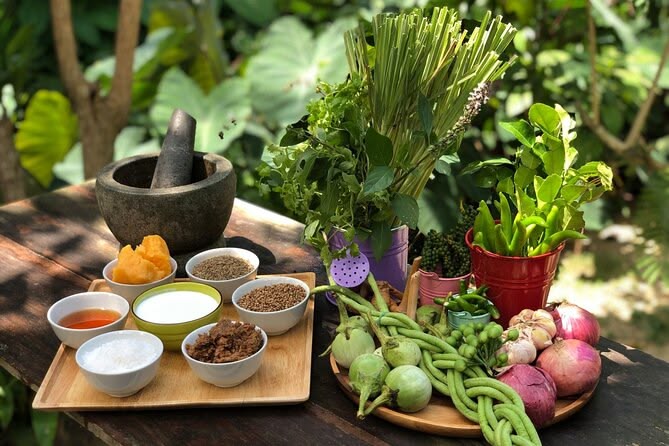
Once you recognize the basic ingredients, the next step is understanding what they actually do.
Thai cuisine is often described through a balance of sweet, sour, salty, spicy, and bitter flavors.
Different ingredients contribute to these elements in different ways.
Chili — Heat
Fresh and dried chilies can provide anything from a gentle warmth to intense heat.
The amount and variety of chili used can significantly change a dish.
For a closer look at chili-heavy Thai cuisine, read our guide to spicy Thai dishes.
Lime — Acidity
Lime adds sharpness and freshness.
It is particularly important in salads, soups, sauces, and other dishes where acidity helps balance stronger flavors.
Tamarind — Sourness and Sweetness
Tamarind has a distinctive sweet-sour character and appears in sauces, curries, and noodle dishes.
Its acidity can help balance spicy and savory ingredients.
Fish Sauce — Saltiness and Umami
Fish sauce is an important seasoning in many Thai recipes.
It adds saltiness as well as a deep savory quality.
However, this is also something vegetarian and vegan diners need to be aware of because fish sauce is an animal-derived ingredient.
Coconut Milk — Richness
Coconut milk is used in many Thai curries and desserts.
It can add richness and help soften the intensity of chili and spices.
Understanding these basic relationships makes reading a Thai menu much easier.
The Five Flavors Behind Thai Food
The relationship between ingredients becomes particularly clear when you look at the five major tastes associated with Thai cuisine.
Sweet, sour, salty, spicy, and bitter flavors can appear individually or in combination.
A spicy dish might also be sour.
A savory curry might contain sweetness.
A fresh salad might combine sourness, sweetness, saltiness, and chili.
This balance is one of the defining characteristics of Thai food.
For a deeper explanation, read our guide to the five flavors of Thai food.
3. Understand How Ingredients Change From Dish to Dish
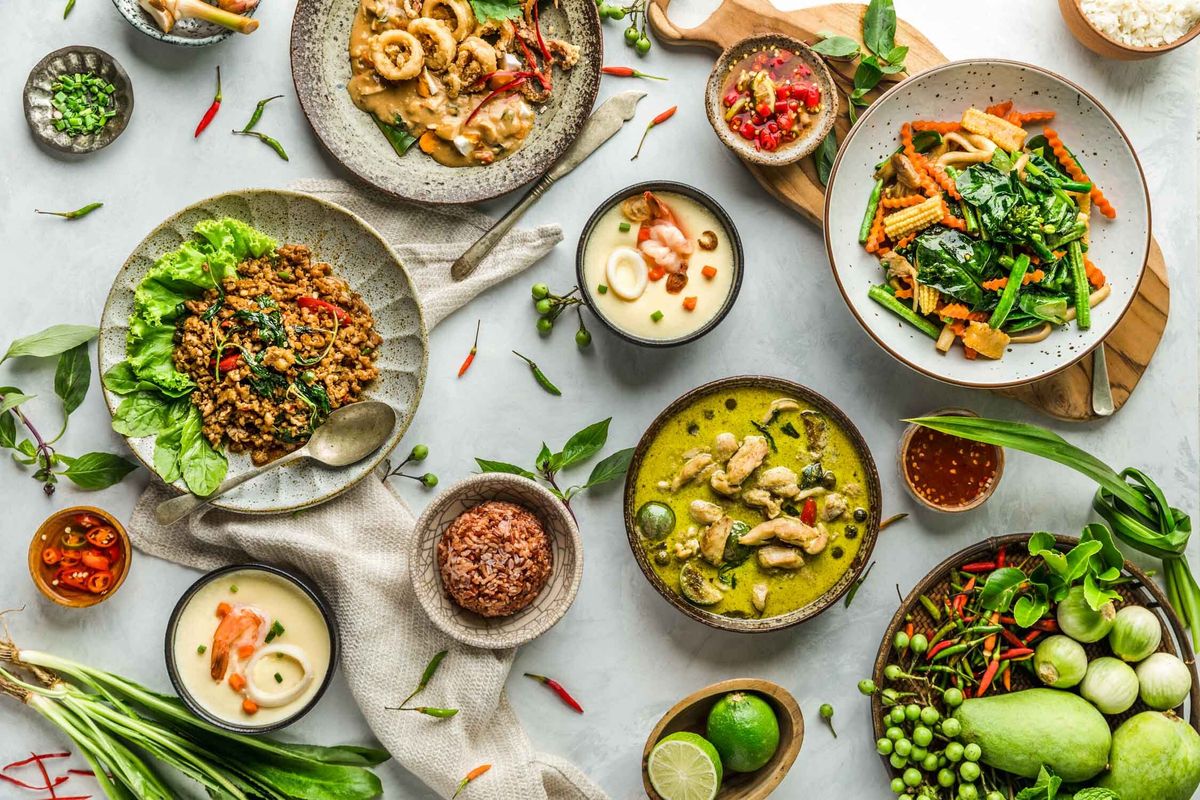
Knowing an ingredient is useful, but understanding how it is used is even more valuable.
The same ingredient can play a completely different role depending on the dish.
Chili can be:
- Pounded into a salad dressing
- Cooked into a curry paste
- Added to a stir-fry
- Used in a dipping sauce
- Combined with herbs in a soup
Lemongrass can contribute fragrance to soup, curry, marinades, and drinks.
Thai basil can be paired with beef, chicken, seafood, vegetables, and noodles.
This is why learning individual ingredients should always be connected to the dishes where they are used.
Thai Ingredients Across Different Regional Cuisines
Thailand does not have one single culinary tradition.
Northern, northeastern, central, and southern Thai cuisines have their own ingredients, techniques, and flavor profiles.
Southern Thai food, for example, is particularly known for strong curry pastes, chili, herbs, seafood, and fermented ingredients.
Northern Thai cuisine has its own collection of herbs, vegetables, and cooking styles.
Isan food is known for combinations involving chili, lime, herbs, and fermented ingredients.
Central Thai cooking includes a wide variety of curries, soups, stir-fries, and other preparations.
If you want to understand these differences in more detail, explore our Regional Thai Food Guide.
Thai Vegetables Are Part of the Ingredient Story
Ingredients in Thai cooking aren’t limited to herbs and spices.
Vegetables also play an important role in the texture and flavor of many dishes.
Green papaya, Thai eggplant, bamboo shoots, morning glory, long beans, mushrooms, and other vegetables can appear in salads, curries, stir-fries, soups, and noodle dishes.
Some provide crunch.
Others absorb sauces.
Some add bitterness or sweetness.
Others provide a mild base for stronger seasonings.
For a closer look at these ingredients, read our guide to Thai vegetables.
Curry Pastes Are Key Thai Ingredients
Curry paste is another important part of Thai cooking.
Rather than relying on one spice, Thai curry pastes combine several ingredients.
Depending on the type of curry, the paste can include chilies, garlic, shallots, lemongrass, galangal, spices, herbs, and other ingredients.
This is why Thai curries can have very different flavor profiles.
Red curry, green curry, and southern curry preparations can all contain different combinations and proportions of ingredients.
Curry paste also explains why a curry’s flavor can be much more complex than its color might suggest.
How to Read a Thai Menu More Confidently
Once you understand a few common ingredients, unfamiliar menu descriptions become easier to interpret.
If you see:
Basil + garlic + chili
you can expect an aromatic and potentially spicy profile.
If you see:
Lemongrass + lime + chili
you can expect a fresher and more aromatic combination.
If you see:
Coconut milk + curry paste
the dish is likely to be richer and more substantial.
If you see:
Tamarind + chili
you can expect some combination of sourness and heat.
This doesn’t tell you exactly how a dish will taste, but it gives you a useful starting point.
Understanding Thai Ingredients at Indulge
At Indulge Fusion Food & Cocktail Bar, Thai ingredients are used alongside international cooking styles.
This allows familiar Thai flavors to appear in dishes that may be presented differently from traditional preparations.
The Basil Leaf Kra Phao with Rib Eye Beef combines Thai basil, garlic, and chili with rib-eye beef, jasmine rice, and a fried egg.
The Red Curry River Prawn combines wild-caught river prawns with spicy Thai red curry and eggplant confit.
These dishes show how Thai ingredients can remain recognizable while being incorporated into a broader contemporary menu.
Thai Ingredients Beyond Traditional Dishes
The same idea extends to other parts of the Indulge menu.
The Spaghetti Khe Mao Seafood combines spaghetti with Thai-style spicy flavors, prawns, squid, and clams.
The dish uses an international pasta format while drawing on Thai culinary influences.
The restaurant also offers dishes such as Papilotte Salmon with tom yum bouillon, which brings the familiar aromatic profile of Tom Yum into a different preparation.
This is where understanding ingredients becomes particularly useful.
You can recognize Thai flavors even when they appear in a dish that is not traditionally Thai in format.
Thai Ingredients Can Also Shape Drinks
Thai ingredients aren’t limited to food.
Lemongrass, Thai basil, citrus, tropical fruits, and other ingredients can also be used in contemporary drinks.
At Indulge, the cocktail menu incorporates Thai ingredients into several drinks.
The Thai Basil Smash, for example, combines gin with lemon, lime, and Thai sweet basil.
You can explore the full Drinks menu to see how Thai-inspired ingredients appear beyond the food menu.
For a broader look at Bangkok’s cocktail scene, explore our guide to the best cocktail bars in Bangkok.
What Vegetarians Should Know About Thai Ingredients
Understanding ingredients is particularly important if you follow a vegetarian or vegan diet.
A dish may contain vegetables and still include fish sauce, shrimp paste, oyster sauce, chicken stock, or another animal-derived ingredient.
This means the word “vegetable” in a dish description does not necessarily mean the dish is vegetarian.
If you have specific dietary requirements, always confirm the ingredients and preparation with the restaurant.
For more information about meat-free Thai dishes, read our guide to vegetarian Thai dishes.
Build Your Knowledge One Ingredient at a Time
You don’t need to learn every Thai ingredient before visiting a restaurant.
Start with a few of the most recognizable:
- Lemongrass
- Thai basil
- Galangal
- Chili
- Lime
- Tamarind
- Coconut milk
- Fish sauce
- Thai curry pastes
Then learn how they appear in different dishes.
Over time, you’ll start recognizing patterns.
You will know which ingredients are likely to create heat, which add acidity, which provide aroma, and which contribute richness.
That makes exploring Thai food more enjoyable because you can make choices based on flavor rather than simply choosing dishes by name.
Explore Thai-Inspired Dining at Indulge
Indulge Fusion Food & Cocktail Bar brings Thai-inspired flavors together with international cuisine.
The menu includes Thai-inspired mains, seafood, premium meats, sharing dishes, pasta, burgers, desserts, cocktails, and other drinks.
For guests who want to explore the menu before visiting, the Indulge menu provides an overview of the restaurant’s different food and drink categories.
If you’re dining with a group, the Starters & Sharing selection also gives guests an opportunity to try several flavors together.
For celebrations, private dinners, or group occasions, you can also explore private events and group dining at Indulge.