Eating in Thailand is about more than enjoying the country’s famous food.
Food is an important part of Thai culture, and dining can be a social experience where dishes are shared between people at the table. If you’re visiting Thailand for the first time, understanding a few basic Thai table etiquette rules can make restaurant meals more comfortable and help you navigate local dining customs.
You don’t need to know every Thai tradition before sitting down for a meal. However, understanding how food is shared, how utensils are used and how dishes are ordered can help you feel more confident when dining in Thailand.
Whether you’re eating at a local restaurant, enjoying Thai-inspired food at a contemporary venue, or joining friends for dinner, these six dining practices are useful to know.
1. Thai Meals Are Often Designed for Sharing
One of the first things visitors may notice about dining in Thailand is that meals can be very different from the Western idea of everyone ordering one large individual dish.
At many Thai meals, several dishes are placed in the middle of the table and shared.
A group might order rice along with several dishes featuring vegetables, seafood, meat, curry or other preparations. Diners then take portions from the shared dishes and enjoy them with rice.
This style of eating makes the meal more social and allows everyone at the table to try different flavors.
If you’re dining with friends, ordering several dishes to share can therefore be a useful way to experience more of the menu.
2. Use the Right Utensils
Thai meals can involve a spoon and fork rather than the knife-and-fork combination that many international visitors are accustomed to.
The fork is generally used to help move food onto the spoon, while the spoon is used to eat.
This may feel unfamiliar at first, but it becomes straightforward once you get used to it.
When you’re eating Thai food in a restaurant, observe the utensils provided and follow the style being used by the people around you if you’re unsure.
The important thing is not to worry about getting every detail perfect. Basic awareness and consideration are usually enough when you’re dining in a new culture.
3. Don’t Rush to Start Eating
When dining as part of a group, it can be polite to allow the meal to be served before immediately starting to eat.
Thai meals can involve several dishes arriving at different times, particularly when food is being shared.
Taking a moment to see what has arrived and allowing everyone to get settled can make the meal more comfortable.
This is especially relevant when you’re dining with colleagues, friends or people you’ve just met.
Rather than immediately focusing on your own plate, pay attention to the group and the way the meal is being served.
4. Take Reasonable Portions From Shared Dishes
When several people are sharing food, taking a reasonable amount at a time helps everyone enjoy the meal.
Instead of taking a large portion of a popular dish immediately, take enough for yourself and allow others at the table to have some as well.
This becomes particularly important when there are several people sharing a limited number of dishes.
If you particularly enjoy something, you can always take another portion later.
Sharing food is part of what makes group dining enjoyable, so being considerate of the people around you is more important than following a complicated set of rules.
5. Be Mindful of Spice Levels
Thai cuisine is famous for its use of chili and bold flavors, but not every Thai dish is extremely spicy.
If you’re not accustomed to spicy food, it’s perfectly reasonable to ask about the spice level before ordering.
This is particularly useful when you’re trying unfamiliar dishes.
Some dishes can have a strong chili component, while others may focus more on sour, salty, sweet or aromatic flavors.
If you know that you prefer milder food, communicating this when ordering can help you choose something more suitable.
For visitors who struggle with spicy food, our guide to mild Thai food in Bangkok provides additional ideas.
6. Learn How to Order Thai Food
Understanding how to order food can make dining in Thailand much easier.
If you’re unfamiliar with the menu, don’t be afraid to ask questions about ingredients, preparation methods or portion sizes.
You may also want to understand whether a dish is intended to be shared or served individually.
When dining with a group, you can start by discussing what everyone would like before placing the order.
This can help avoid ordering too much of one type of food while missing other dishes everyone wanted to try.
For more practical advice, read our guide on how to order food in Thailand.
Thai Dining Is About More Than Rules
The phrase Thai table etiquette can make dining sound more complicated than it really is.
For most visitors, the key is simply to be observant and considerate.
Pay attention to how people around you are eating, share food fairly, avoid wasting food and ask questions when you are unsure.
Dining customs can also vary depending on the setting.
A casual meal with friends may feel very different from a business dinner or a formal occasion.
The restaurant, location and people you’re dining with can all influence the experience.
Understanding Shared Thai Meals
Shared dining is one of the most useful concepts to understand when eating Thai food.
Rather than everyone ordering completely separate meals, a group may choose several dishes that everyone can taste.
For example, a table might have:
- Rice
- A curry
- A seafood dish
- Vegetables
- A meat dish
- A spicy salad
- Sharing starters
This approach gives everyone an opportunity to try different combinations.
It also means that you can experience several parts of Thai cuisine during one meal.
If you’re interested in learning more about Thai cuisine, explore our Thai Food Guide.
Thai Food and the Balance of Flavors
Another useful thing to understand when dining in Thailand is that Thai cuisine is not simply about heat.
Thai dishes can combine different flavor characteristics, including:
- Sweet
- Sour
- Salty
- Spicy
- Bitter
- Aromatic flavors
The balance can vary considerably between dishes.
A curry may have a rich and aromatic profile, while a salad may emphasize sour and spicy notes.
Tom Yum, for example, is known for its combination of sour, spicy and aromatic flavors.
If you’d like to understand this aspect of Thai cuisine in more detail, explore our guide to the five flavors of Thai food.
Don’t Assume Every Thai Dish Is Spicy
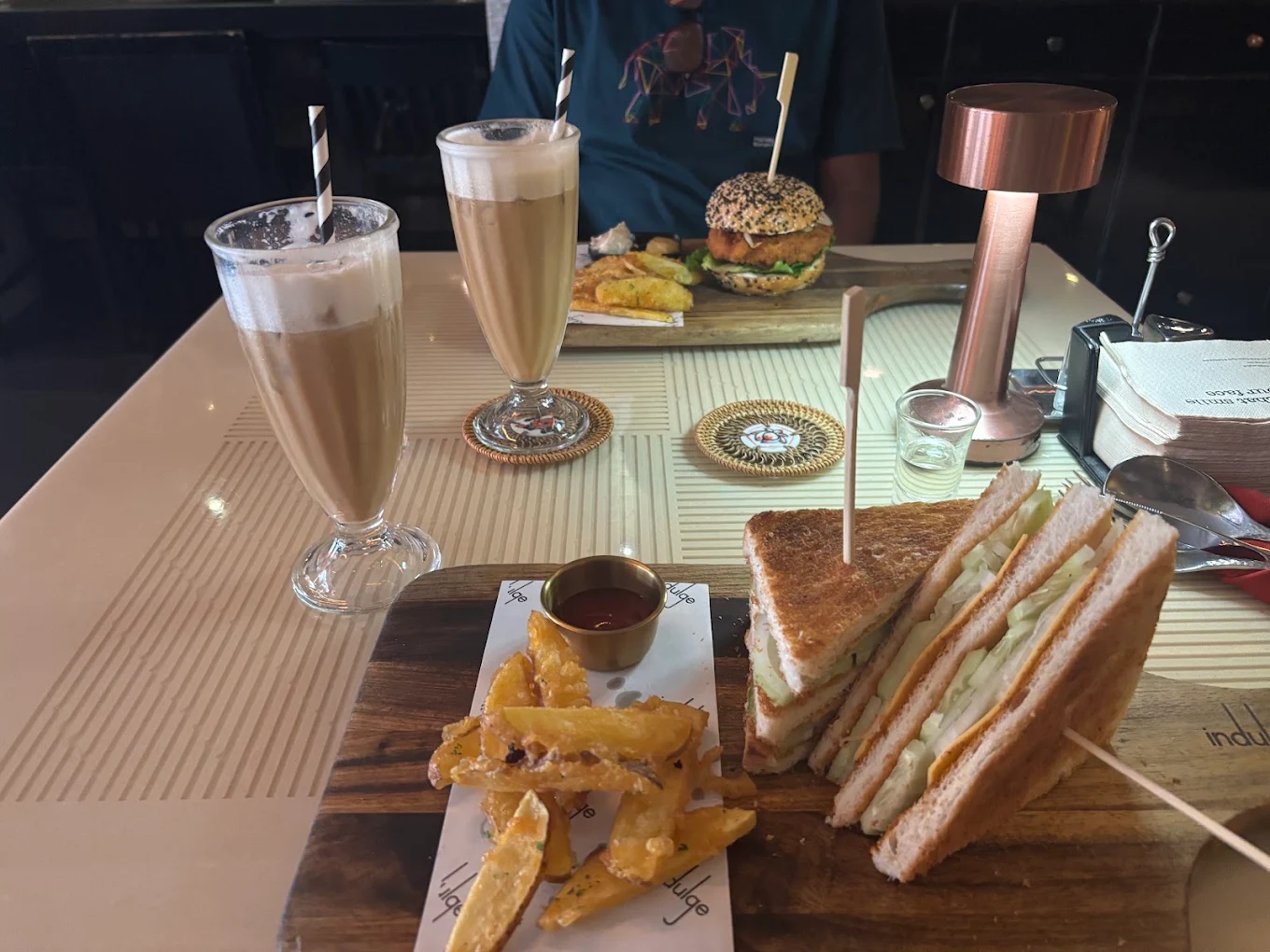
One of the most common assumptions visitors make is that Thai food is always very spicy.
In reality, Thai cuisine includes a wide range of dishes with different levels of heat.
You can find:
- Mild dishes
- Medium-spiced dishes
- Very spicy dishes
- Sweet dishes
- Sour dishes
- Savory dishes
- Aromatic dishes
If you’re unsure about a particular dish, ask the restaurant about its ingredients and spice level.
This is much better than avoiding Thai food altogether because you assume everything will be extremely hot.
How to Share Food Politely
When eating from shared dishes, simple consideration goes a long way.
Take a reasonable portion rather than filling your plate immediately.
If a dish is particularly popular, allow other diners to try it before taking more.
When possible, use the serving utensils provided rather than your personal utensils for shared food.
These small habits help keep the meal comfortable for everyone at the table.
Thai Table Etiquette for Travelers
Travelers don’t need to become experts in Thai culture before visiting a restaurant.
A few basic habits are enough to make the experience easier:
Observe first.
Look at how people around you are eating.
Ask questions.
If you don’t understand a dish or utensil, ask.
Share thoughtfully.
Remember that several dishes may belong to everyone at the table.
Respect local customs.
You are experiencing another culture, so being open and considerate is more important than perfection.
Enjoy the food.
Trying unfamiliar dishes is part of the experience of visiting Thailand.
Dining Etiquette at Restaurants in Bangkok
Bangkok has an enormous range of restaurants, from street-food vendors and casual local restaurants to contemporary international venues.
Because of this, dining etiquette can vary depending on where you are eating.
A casual street-food meal may be very informal.
A business dinner may involve a more structured meal.
A modern restaurant may combine Thai-inspired dishes with international dining styles.
The best approach is to understand the basic principles while adapting to the setting.
Thai Dining Etiquette When Eating With Friends
Dining with friends is often one of the easiest ways to experience Thai food.
You can order several dishes and try a little of everything.
If you’re visiting Bangkok with a group, look for restaurants with a varied menu and sharing options.
Indulge’s Starters & Sharing section is designed around dishes that can be enjoyed together.
You can then choose individual mains according to everyone’s preferences.
Thai Dining Etiquette for Group Meals
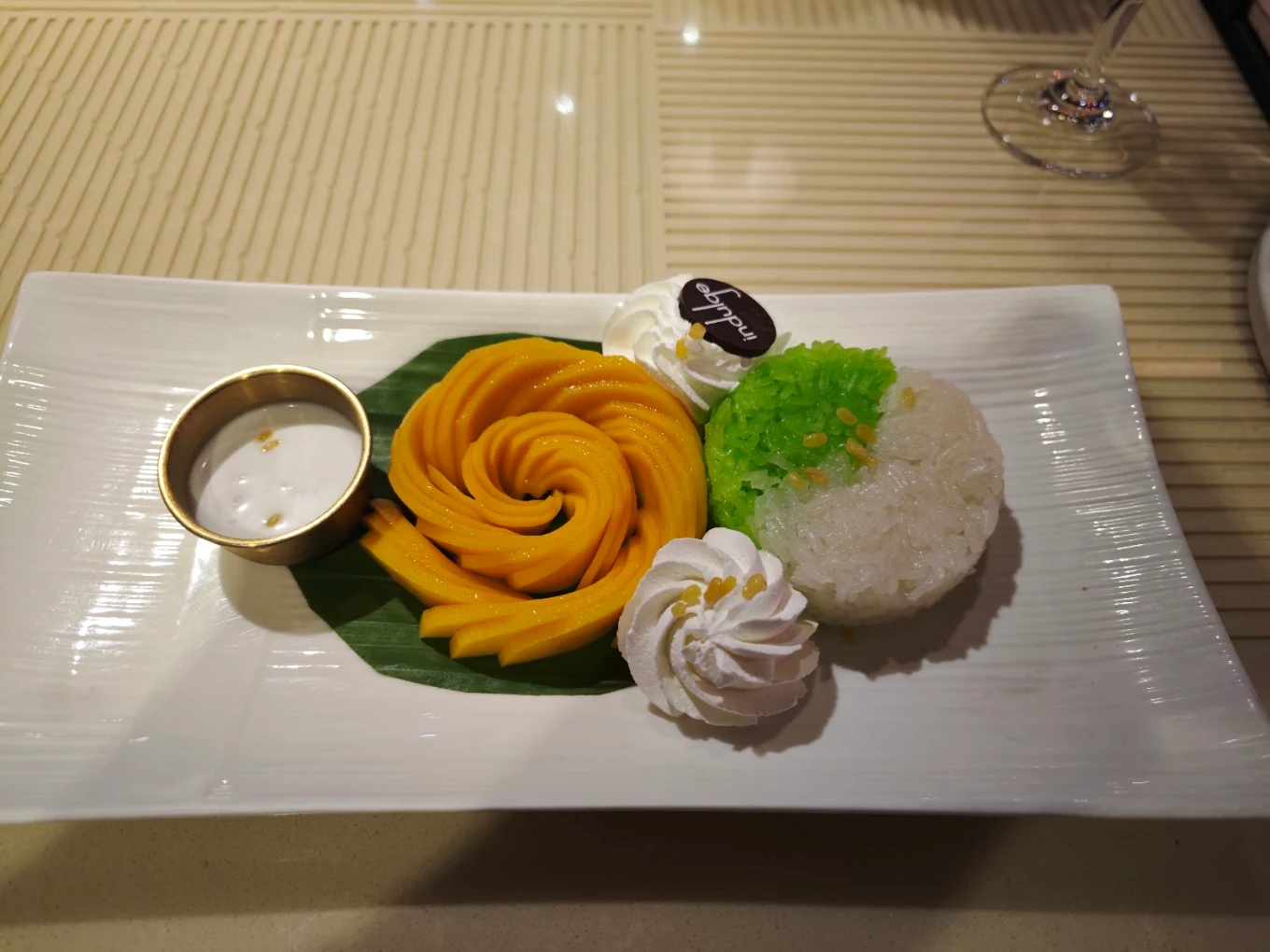
Group dining requires a little more coordination because everyone may have different preferences.
Before ordering, consider:
- How many people are eating
- Whether anyone has dietary restrictions
- Preferred spice levels
- Whether everyone wants to share
- How many main dishes are needed
- Whether drinks and dessert will be ordered
A varied restaurant menu can make this easier.
Indulge offers Thai-inspired dishes alongside seafood, pasta, burgers, comfort food, sharing dishes, desserts and drinks.
For more information about planning a group meal, explore our guide to group dining in Bangkok.
What to Do If You Don’t Like Spicy Food
If you’re sensitive to spice, don’t assume you have to avoid Thai cuisine.
There are many dishes with different flavor profiles and spice levels.
When ordering, ask the restaurant whether the dish is spicy and whether the level can be adjusted.
You can also choose dishes that emphasize other flavors.
For more ideas, explore our guide to mild Thai food in Bangkok.
Trying Thai Food at Indulge
If you’re looking for a contemporary dining experience in Bangkok, Indulge offers Thai-inspired dishes alongside international food.
The menu includes options such as seafood, Thai-inspired mains, pasta, burgers, sharing dishes, desserts and drinks.
This variety makes it possible for a group to explore Thai-inspired flavors while also having familiar international choices available.
Exploring Thai-Inspired Dishes
Indulge’s Signature Mains provide several options for diners who want to explore Thai-inspired flavors.
Dishes such as Red Curry River Prawn combine seafood with Thai red curry and eggplant.
The Basil Leaf Kra Pao with Rib Eye Beef combines rib-eye beef with Thai basil, garlic, chili, jasmine rice and a fried egg.
These options provide a contemporary way to explore familiar Thai-inspired flavors.
Dining With Drinks
Thai dining can also be part of a longer social experience.
If you’re meeting friends or planning an evening out, you may want to include drinks alongside your meal.
Indulge has a dedicated Drinks menu that can be explored alongside its food menu.
For visitors interested specifically in cocktails, you can also explore our guide to the best cocktail bars in Bangkok.
Don’t Forget Dessert
Thai meals and modern Bangkok dining experiences don’t have to end with the main course.
If you’re enjoying a longer meal, dessert provides another opportunity to try something different.
Indulge has a dedicated Desserts category.
Thai Dining Etiquette: The Main Things to Remember
You don’t need to memorize a long list of rules before visiting Thailand.
The most useful principles are simple:
- Be aware that many dishes may be shared.
- Use utensils appropriately.
- Take reasonable portions.
- Be considerate of other diners.
- Ask about spice levels when necessary.
- Take your time and observe how the meal is being enjoyed.
These habits will help you navigate most everyday dining situations comfortably.
Frequently Asked Questions
What is Thai table etiquette?
Thai table etiquette refers to the customs and manners associated with eating in Thailand, including sharing food, using utensils and interacting respectfully with other diners.
Is Thai food always spicy?
No. Thai cuisine includes dishes with a wide range of spice levels and flavor profiles.
How is Thai food usually served?
Many Thai meals involve several dishes shared among the people at the table, often accompanied by rice.
What utensils are used when eating Thai food?
A spoon and fork are commonly used for many Thai meals, although utensils can vary depending on the dish and restaurant.
Should I ask if Thai food is spicy?
Yes. If you are sensitive to spice, asking about the heat level before ordering can help you choose a suitable dish.
Can tourists eat Thai food without knowing the local etiquette?
Yes. Visitors don’t need to know every custom. Being respectful, observing others and asking questions when unsure are useful approaches.
Final Thoughts
Understanding Thai table etiquette can make your dining experience more comfortable when visiting Thailand.
The most important thing is to approach the meal with an open mind and respect for the people you’re dining with.
Remember that many Thai meals are designed to be shared, so take reasonable portions and allow everyone at the table to enjoy the dishes.
Don’t hesitate to ask about unfamiliar ingredients or spice levels, and pay attention to how the meal is being served.
Most importantly, enjoy the opportunity to experience Thailand through its food.
Whether you’re eating at a local restaurant or exploring Thai-inspired cuisine at a contemporary Bangkok venue such as Indulge, understanding a few basic dining customs can help you enjoy the experience with greater confidence.