Thai food is now enjoyed all over the world, but the dishes we recognize today developed over a long period of cultural exchange and culinary adaptation.
Rice, herbs, vegetables, seafood, meat, noodles, spices, and aromatic ingredients became part of different regional food traditions, while trade and contact with neighboring cultures introduced new ingredients and techniques.
The result is the diverse cuisine Thailand is known for today.
Understanding Thai food history also explains why Thai cuisine is so varied.
There is no single style of Thai food.
Northern, northeastern, central, and southern Thailand developed their own culinary traditions, while Bangkok became an important meeting point for different influences.
Modern Thai food continues that process of change.
Where Thai Food Began
Thai food did not appear as a complete culinary system at one particular point in history.
Food traditions developed gradually among communities across the region.
Local agriculture played an important role.
Rice became a central part of the diet, while communities used ingredients available in their surrounding environments.
Freshwater fish, vegetables, herbs, fruits, roots, and other local ingredients contributed to everyday meals.
Over time, cooking techniques and ingredients changed as communities interacted with one another.
This gradual development is important when discussing the origins of Thai food.
Rather than coming from one source, Thai cuisine developed through many overlapping traditions.
Rice and the Foundation of Thai Cuisine
Rice has long been central to food culture in Thailand.
Different regions developed different preferences and preparations.
Jasmine rice is particularly associated with central and northeastern Thailand, while sticky rice has a particularly important role in northern and northeastern food traditions.
Rice also works as an accompaniment to strongly flavored dishes.
Curries, stir-fries, grilled foods, and other preparations can be served alongside rice, creating a meal with contrasting textures and flavors.
Rice is also used to produce noodles, snacks, desserts, and other foods.
This versatility has helped make it one of the most important foundations of Thai cuisine.
Regional Differences Shaped Thai Food
One of the most important aspects of Thai culinary history is the development of regional food traditions.
Thailand’s geography is diverse, and different regions have access to different ingredients and have their own cultural connections.
Northern Thailand
Northern Thai cuisine developed its own distinctive traditions and flavor profiles.
Sticky rice plays an important role, while herbs, vegetables, meats, and local preparations contribute to the region’s food identity.
Northeastern Thailand
Known as Isan, northeastern Thailand has a food culture characterized by bold flavors, fresh herbs, chili, grilled foods, and fermented ingredients.
Sticky rice is also a major part of meals.
Central Thailand
Central Thai cuisine includes many dishes that are now widely recognized internationally.
Curries, soups, stir-fries, rice dishes, and other preparations form part of a diverse culinary tradition.
Southern Thailand
Southern Thai cuisine is known for strong flavors, seafood, chili, herbs, and intensely flavored curry preparations.
The differences between these regions demonstrate why Thai food cannot be reduced to a single style.
For a dedicated comparison of regional traditions, read our Regional Thai Food Guide.
The Role of Trade in Thai Food History
Trade played an important role in the development of food traditions throughout the region.
As people traveled and traded, ingredients, cooking methods, and culinary ideas moved between communities.
Thailand’s position within Southeast Asia allowed it to interact with neighboring cultures as well as traders arriving from further away.
Some ingredients that are now strongly associated with Thai cuisine were introduced through these wider connections.
Local cooks could then adapt unfamiliar ingredients to existing recipes and flavor preferences.
This process of adaptation is an important part of the history of Thai food.
Chinese Influence on Thai Food
Chinese migration and trade had a significant influence on food traditions in Thailand.
Chinese cooking techniques and ingredients became incorporated into local food culture over time.
Stir-frying and wok cooking are examples of techniques that became important within Thai food culture.
Noodles and other Chinese-influenced foods also became part of the broader Thai culinary landscape.
Over generations, these influences were adapted to local ingredients and preferences.
The resulting dishes became part of everyday food culture rather than remaining simply foreign imports.
Indian and South Asian Influences
South Asian culinary traditions also contributed to the development of Thai food.
Spices and curry traditions were among the influences that entered the region through cultural and commercial connections.
Thai curry eventually developed its own distinctive character.
Thai curry pastes can contain ingredients such as chilies, garlic, shallots, lemongrass, galangal, coriander roots, and various spices.
The resulting dishes are recognizably Thai even when they reflect broader regional culinary influences.
This demonstrates an important principle in Thai food history:
Influence does not necessarily mean imitation.
Ingredients and techniques can be adapted into an entirely new culinary tradition.
European Contact and New Ingredients
European contact also contributed to changes in Thai food.
Global trade introduced ingredients that were not originally native to Southeast Asia.
Chili peppers are one of the clearest examples.
Today, chilies are deeply associated with Thai cooking, but they were introduced to the region through global exchange.
Thai cooks incorporated them into existing food traditions and eventually developed dishes and flavor combinations in which chili became an important component.
This is a useful example of how Thai cuisine continued to evolve through cultural exchange.
How Thai Curry Developed
Thai curry provides a good example of the development of Thai food.
There are many types of Thai curry, and recipes vary according to region and household.
Green curry, red curry, panang curry, massaman curry, and southern Thai curry preparations all have different characteristics.
Curry pastes are particularly important.
They combine herbs, aromatics, chilies, and spices to create the foundation of a dish.
Coconut milk is used in many central Thai curry preparations, contributing richness and helping carry the flavors of the curry paste.
Other regional curries use different ingredients and techniques.
This diversity demonstrates how Thai cuisine developed through local adaptation rather than following one fixed recipe.
The Development of Thai Flavor Balance
Thai cooking is often associated with combinations of sweet, sour, salty, spicy, and bitter tastes.
These flavors can be balanced in different ways depending on the dish.
Lime or tamarind can provide acidity.
Fish sauce contributes saltiness and savory depth.
Sugar can provide sweetness.
Chili adds heat.
Fresh herbs and spices contribute aroma.
This balance became one of the defining characteristics of Thai food.
For a deeper explanation of these flavor relationships, explore our Five Flavors of Thai Food guide.
Herbs and Aromatics in Thai Food
Herbs and aromatic ingredients are another important part of Thai culinary development.
Common ingredients include:
- Lemongrass
- Galangal
- Thai basil
- Kaffir lime leaves
- Garlic
- Shallots
- Coriander
- Chilies
- Turmeric
These ingredients can be combined in different ways depending on the dish.
Lemongrass, for example, contributes a fresh citrus-like aroma.
Galangal adds a distinctive earthy fragrance.
Thai basil provides a strong herbal character.
Kaffir lime leaves contribute a bright citrus aroma.
These ingredients help give Thai dishes their recognizable identity.
Our dedicated guide to lemongrass in Thai cuisine explores one of these ingredients in more detail.
The Evolution of Thai Noodles
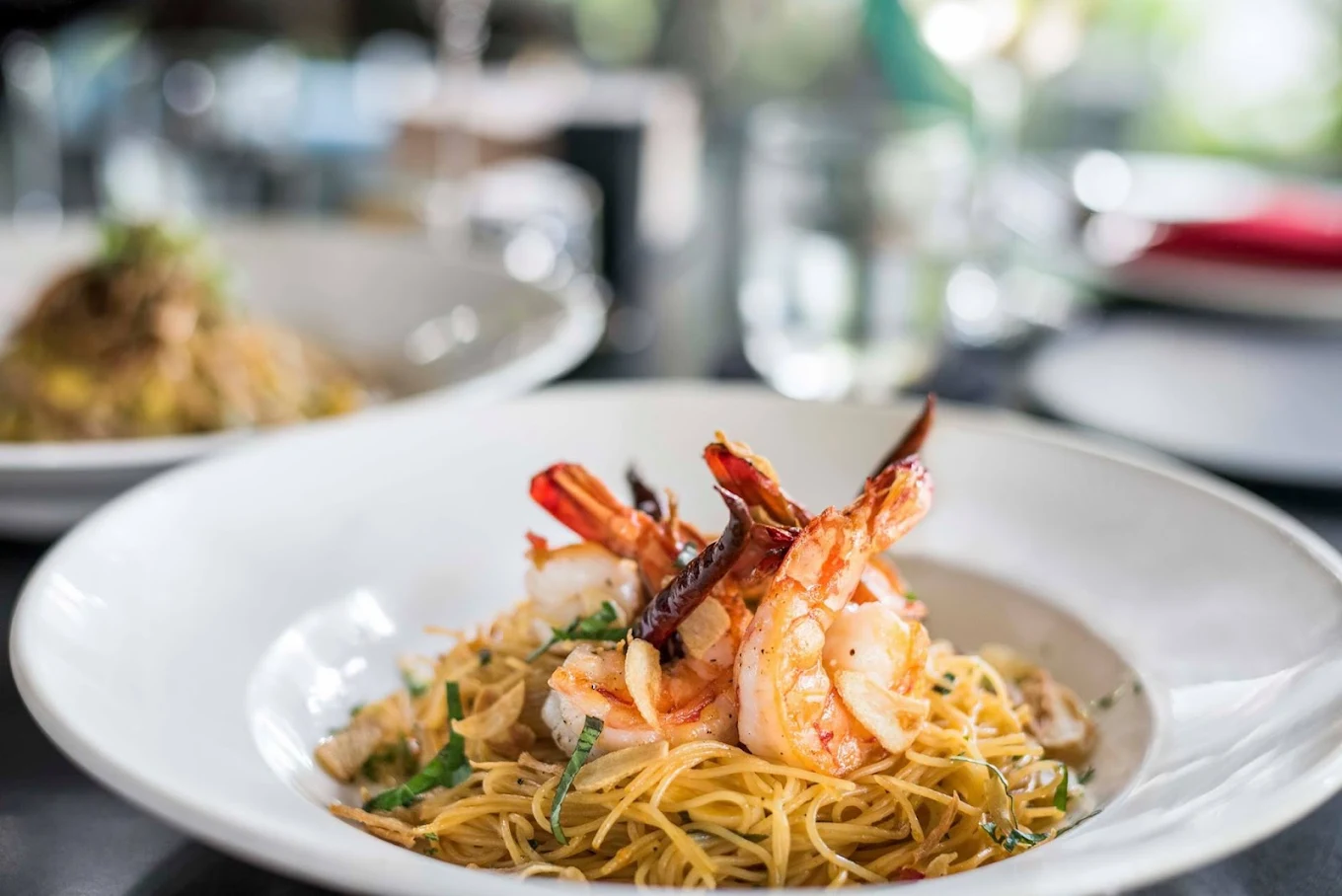
Noodles provide another example of culinary exchange and adaptation.
Thailand has developed many different noodle preparations, including stir-fried noodles, noodle soups, glass noodle salads, and regional noodle dishes.
Pad Thai became internationally famous, but it represents only one part of Thailand’s noodle culture.
Pad Kee Mao, Rad Na, Yam Wun Sen, Khao Soi, and boat noodles all demonstrate the diversity of Thai noodle dishes.
For a more detailed guide, explore our article on Thai noodle dishes.
From Local Food to Global Cuisine
Thai cuisine eventually moved beyond Thailand’s borders.
Thai restaurants began appearing in cities around the world, introducing international diners to dishes such as Pad Thai, Tom Yum, green curry, and Som Tam.
As Thai cuisine became more widely known, some dishes became especially associated with Thailand internationally.
But global popularity also encouraged new interpretations.
Restaurants outside Thailand sometimes adapt ingredients, spice levels, portion sizes, or presentation to suit local preferences.
At the same time, Thai chefs continue to reinterpret familiar dishes within Thailand.
Bangkok and the Modern Thai Food Scene
Bangkok has become one of the most diverse food cities in the region.
Traditional Thai restaurants exist alongside international restaurants, modern Thai establishments, street food vendors, cocktail bars, and fusion restaurants.
This makes Bangkok an interesting place to see how Thai food continues to evolve.
Modern restaurants can combine familiar Thai ingredients with international techniques and formats.
This isn’t separate from the history of Thai food.
It is another stage in its continuing development.
Thai Food in Contemporary Fusion Dining
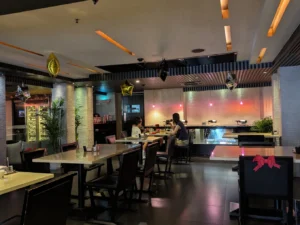
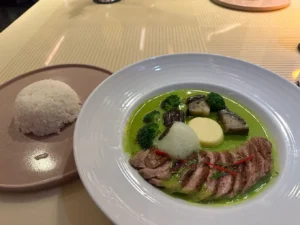
At Indulge Fusion Food & Cocktail Bar, Thai-inspired ingredients and flavors are combined with international dishes.
For example, the Basil Leaf Kra Pao with Rib Eye Beef combines Thai basil, garlic, chili, jasmine rice, and fried egg with rib-eye beef.
Another example is the Red Curry River Prawn, which combines river prawns with Thai red curry and eggplant.
These dishes show how familiar Thai flavor combinations can be presented within a contemporary restaurant menu.
Thai Food and International Ingredients
The evolution of Thai cuisine continues through fusion dining.
At Indulge, Spaghetti Khe Mao Seafood combines spaghetti with Thai-inspired spicy flavors, prawns, squid, and clams.
The dish uses a familiar international format while drawing on Thai-inspired flavors.
Similarly, Papilotte Salmon with tom yum bouillon brings a recognizable Thai flavor profile into a different style of preparation.
These examples demonstrate how Thai culinary ideas can continue to evolve while retaining recognizable characteristics.
Why Thai Food Continues to Evolve

Food traditions change when people, ingredients, and ideas move.
Thai cuisine provides a clear example of this process.
Local traditions created the foundation.
Regional differences added variety.
Trade introduced new ingredients and techniques.
Migration brought additional culinary traditions.
Modern chefs continue to experiment with presentation and international cooking styles.
Yet many familiar Thai ingredients and flavor relationships remain central.
That combination of continuity and change is what makes Thai cuisine so interesting.
Traditional Thai Food Remains Important
Modern interpretations haven’t replaced traditional Thai cuisine.
Classic dishes, regional recipes, traditional ingredients, and established cooking techniques remain an important part of Thai food culture.
For visitors, this means there are many different ways to explore Thai cuisine.
You can experience traditional dishes, regional specialties, street food, contemporary Thai cuisine, or fusion dining.
If you’re looking for a dedicated guide to classic dishes, explore Traditional Thai Dishes You Must Try.
Exploring Thai Food in Bangkok
If you are visiting Bangkok, you don’t need to choose between traditional and contemporary Thai food.
You can explore classic dishes one day and try a modern Thai-inspired restaurant the next.
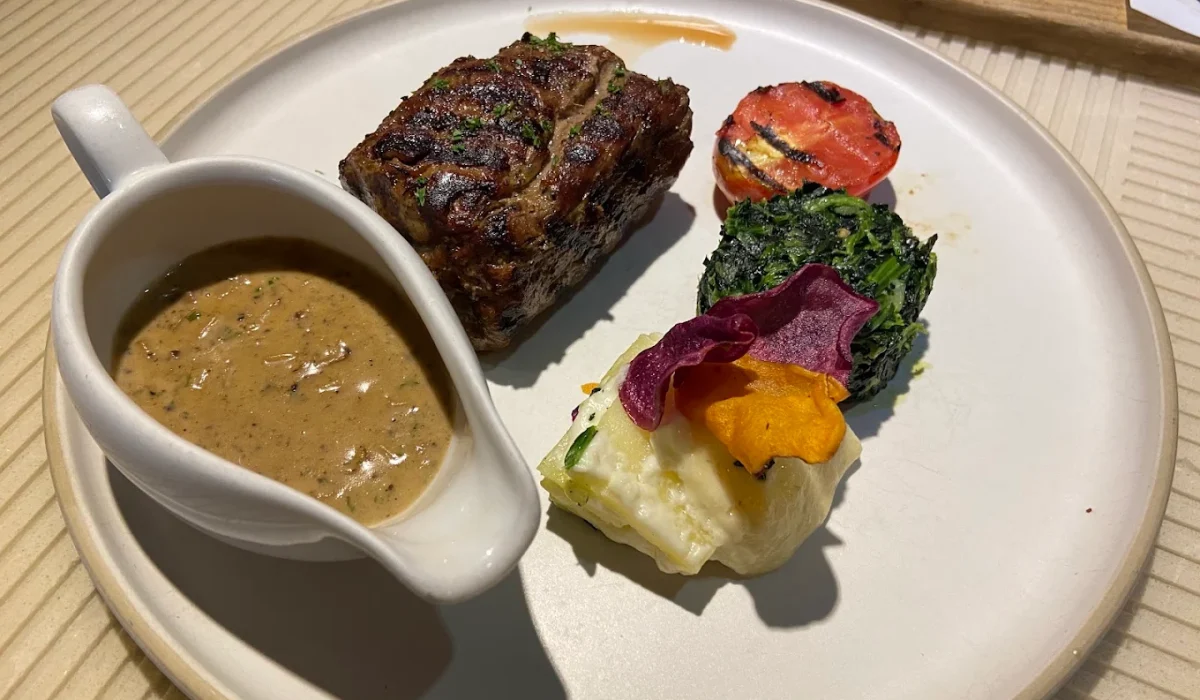
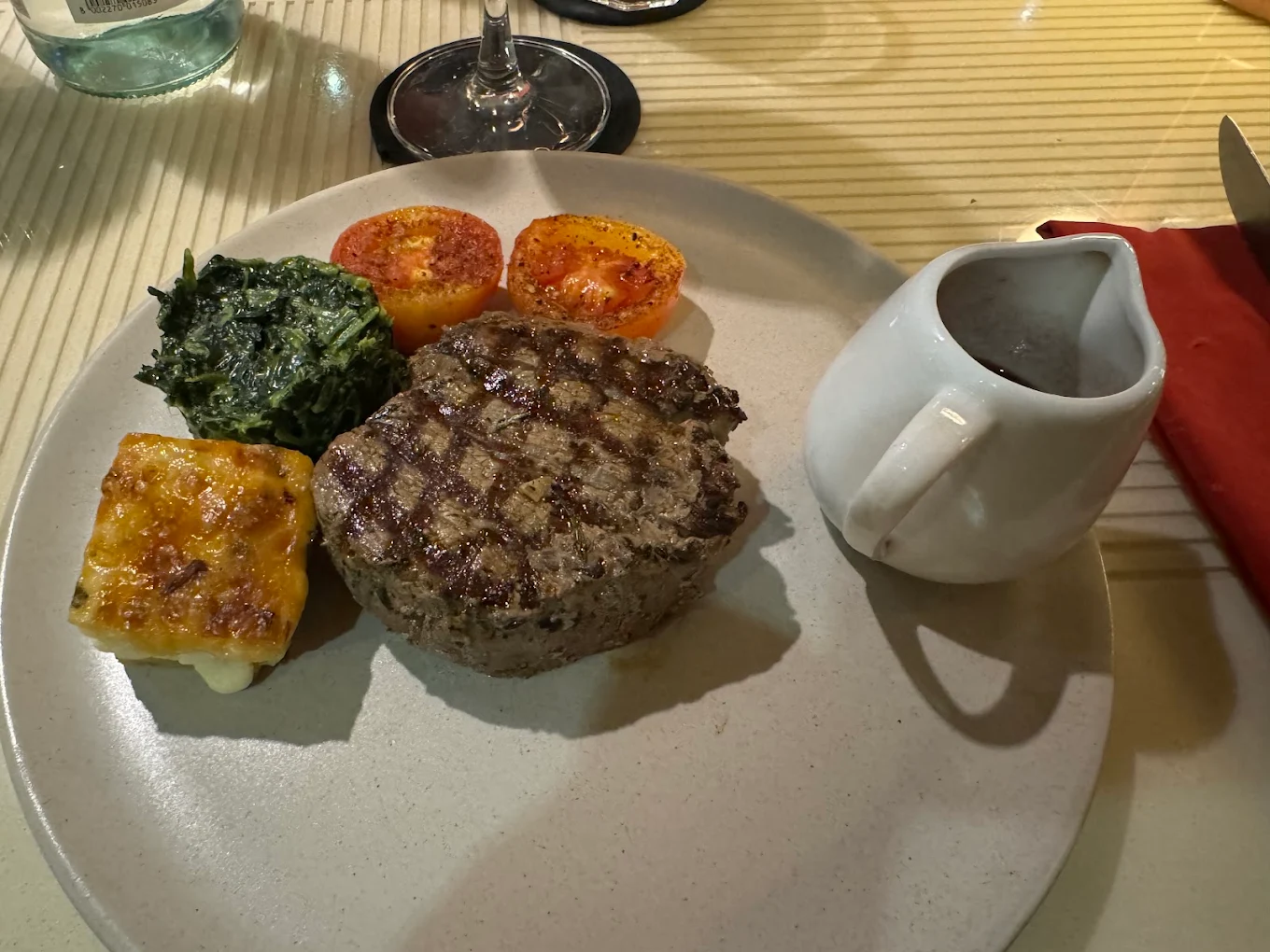
At Indulge, the menu combines Thai-inspired dishes with seafood, premium meats, pasta, burgers, comfort food, sharing plates, desserts, and drinks.
The Signature Mains section is a useful place to explore the Thai-inspired options.
For groups, Starters & Sharing provides another way to try different dishes together.
You can also explore the complete Indulge menu.