Choosing a restaurant can sometimes be difficult.
With so many options available, a high rating or attractive photograph doesn’t necessarily tell you everything about the dining experience.
A good restaurant is about more than just one dish.
Food quality, service, atmosphere, menu variety, cleanliness, consistency, and value can all contribute to the experience.
Whether you’re choosing somewhere for a casual meal, a date night, a family dinner, or a special occasion, knowing how to tell if a restaurant is good can help you make a more informed choice.
Here are some things worth considering before deciding where to dine.
1. Look at the Quality of the Menu
The menu is one of the first things you can examine before visiting a restaurant.
Look for a menu that makes sense for the restaurant’s concept.
Consider:
- What type of cuisine is offered?
- Are the dishes clearly described?
- Is there enough variety?
- Are there options for different preferences?
- Does the menu suit your occasion?
A restaurant doesn’t necessarily need a huge menu to be good.
In fact, a focused menu can sometimes make it easier to understand what the restaurant specializes in.
2. Consider the Variety of Food
Menu variety becomes particularly important when you’re dining with other people.
Different guests may have different preferences.
One person might want seafood.
Another may prefer meat.
Someone else might want pasta, vegetables, or a lighter dish.
A restaurant offering several categories can make group dining easier.
At Indulge Fusion Food & Cocktail Bar, for example, the menu includes Thai-inspired dishes alongside seafood, meats, pasta, burgers, comfort food, sharing dishes, desserts, and drinks.
You can explore the complete Indulge menu before visiting.
3. Check Recent Reviews
Reviews can provide useful information about a restaurant, but they should be interpreted carefully.
Don’t focus only on the overall rating.
Read several recent reviews and look for recurring comments about:
- Food
- Service
- Atmosphere
- Portion sizes
- Cleanliness
- Waiting times
- Value
- Staff
- Consistency
A single negative or positive review doesn’t necessarily represent the entire restaurant.
Look for patterns across multiple reviews.
4. Look at Food Photos
Photos can help you understand what a restaurant’s dishes actually look like.
Look for recent photographs from:
- The restaurant
- Customers
- Review platforms
- Social media
Pay attention to whether the images appear current.
A restaurant’s menu may change over time, so very old photos may not accurately represent what is currently being served.
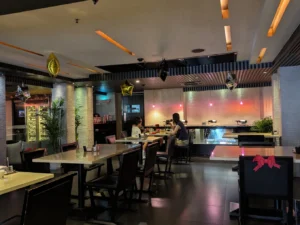
5. Consider the Restaurant’s Atmosphere
Food is important, but atmosphere can also affect your experience.
Think about what type of environment you’re looking for.
You may prefer:
Quiet and intimate
Suitable for conversations or date nights.
Casual and relaxed
Useful for informal meals.
Lively and social
Good for groups and celebrations.
Modern and sophisticated
Suitable for special occasions or evening dining.
The right atmosphere depends on your personal preferences and the occasion.
6. Pay Attention to Service
Good service can make a significant difference to a dining experience.
Things to consider include:
- How guests are welcomed
- Whether staff are attentive
- How quickly orders are taken
- Whether questions are answered clearly
- Whether staff understand the menu
- How problems are handled
Excellent service doesn’t necessarily mean formal service.
A relaxed restaurant can still provide attentive and professional hospitality.
7. Consider Cleanliness
Cleanliness is another practical factor when evaluating a restaurant.
Look at the overall condition of:
- Dining areas
- Tables
- Cutlery
- Glassware
- Restrooms
- Other visible areas
A clean and well-maintained environment contributes to a more comfortable dining experience.
8. Check Whether the Restaurant Matches Your Occasion
A restaurant can be good while still being unsuitable for your particular occasion.
For example, the restaurant you choose for a romantic dinner may be different from the one you choose for a large family celebration.
Before booking, consider:
- Number of guests
- Occasion
- Desired atmosphere
- Menu
- Seating
- Location
- Budget
For group occasions, our guide to group dining in Bangkok can help with the planning process.
9. Look for Menu Options for Different Preferences
A good restaurant can be easier to enjoy when the menu accommodates different dietary and taste preferences.
Depending on your group, you may need:
- Vegetarian options
- Seafood
- Meat dishes
- Mild dishes
- Spicy dishes
- Desserts
- Non-alcoholic drinks
- Cocktails
If someone has an allergy or dietary restriction, always ask the restaurant directly about ingredients and preparation.
10. Consider the Balance Between Food, Service and Atmosphere
A restaurant experience isn’t determined by one factor.
Excellent food may not compensate for poor service.
A beautiful atmosphere may not compensate for an unsuitable menu.
Friendly service may not compensate for food that doesn’t meet your expectations.
Instead, consider the restaurant as a complete experience.
Ask yourself:
Was the food enjoyable?
Was the service attentive?
Was the environment comfortable?
Did the menu suit my needs?
Was the experience appropriate for the occasion?
11. Look for Consistency
Consistency is an important characteristic when choosing a restaurant.
One excellent meal can be a great experience, but repeat customers often value knowing what to expect.
Reviews can sometimes help you identify whether customers consistently mention:
- Food quality
- Service
- Portions
- Atmosphere
- Cleanliness
Look for recurring themes rather than judging the restaurant from a single visit or review.
12. Consider the Location
Location can influence how practical a restaurant is.
Consider:
- How easy it is to reach
- Public transportation
- Parking
- Traffic
- Distance from your accommodation
- Whether it is close to other activities
For visitors exploring Bangkok, a restaurant in an accessible area can make it easier to combine dining with shopping, sightseeing, nightlife, or other activities.
13. Check the Restaurant’s Online Presence
Before visiting, look at the restaurant’s website and online profiles.
Check whether the information appears current.
Look for:
- Current menu
- Opening hours
- Location
- Contact information
- Reservation information
- Recent photographs
- Current events
This can help you avoid arriving with outdated information.
14. Think About Value
Value doesn’t necessarily mean finding the cheapest restaurant.
Instead, consider what you receive for the price.
This can include:
- Food quality
- Portion size
- Service
- Atmosphere
- Location
- Menu variety
- Overall experience
A more expensive restaurant may offer a different experience from a casual restaurant.
The important thing is whether the experience matches your expectations and budget.
15. Look at the Restaurant’s Specialty
A restaurant doesn’t need to serve everything.
Some restaurants focus on a specific cuisine or style of food.
Others offer a broader menu.
Look for a restaurant whose concept matches what you’re looking for.
For example, if you’re interested in Thai-inspired flavors, look for restaurants that clearly incorporate Thai ingredients and cooking influences into their menu.
If you’re looking for international options, a fusion restaurant may provide more variety.
How to Choose a Restaurant for a Group
Choosing a restaurant for several people can be more complicated than choosing one for yourself.
Ask:
Does the menu offer enough variety?
Different guests should have suitable choices.
Can the restaurant accommodate the group?
Check table sizes and group dining options.
Can dishes be shared?
Sharing can make it easier for everyone to try different food.
Are dietary requirements manageable?
Check vegetarian, vegan, allergy, and other requirements.
Is the atmosphere suitable?
Make sure the environment fits the occasion.
For more information, read our guide to planning a party at a restaurant.
How to Choose a Restaurant for a Date
For a date, food isn’t the only consideration.
Think about:
- Atmosphere
- Seating
- Noise level
- Lighting
- Drinks
- Menu
- Location
A restaurant with a comfortable environment can make conversation easier.
If you’re planning a date night in Bangkok, explore our guide to romantic dining in Bangkok.
How to Choose a Restaurant for a Special Occasion
Birthdays, anniversaries, graduations, and other celebrations may require additional planning.
Before booking, check:
- Group capacity
- Seating arrangements
- Menu options
- Drinks
- Dessert
- Decoration policies
- Special requests
- Reservation requirements
If you’re planning a larger event, contact the restaurant ahead of time.
You can also explore the restaurant’s events page.
How to Evaluate a Restaurant Before Visiting
You can create a simple checklist before making your decision.
Step 1: Check the Menu
Does the food match what you want?
Step 2: Read Recent Reviews
Look for consistent feedback.
Step 3: Check Photos
Make sure the restaurant and dishes appear current.
Step 4: Check Location
Make sure it is practical for you and your guests.
Step 5: Consider the Atmosphere
Does it fit your occasion?
Step 6: Check Reservations
Make sure the restaurant can accommodate you.
Step 7: Consider Your Budget
Make sure the overall experience fits your expectations.
What Makes a Restaurant Memorable?
A memorable restaurant experience usually involves several elements working together.
It might be:
- A particularly enjoyable dish
- Friendly service
- A comfortable atmosphere
- Interesting drinks
- Sharing food with friends
- A beautiful setting
- A special occasion
- Discovering a new cuisine
Not every memorable restaurant has to be expensive or formal.
Sometimes the experience comes from finding a place that simply matches what you’re looking for.
Evaluating Indulge Fusion Food & Cocktail Bar
If you’re looking for a contemporary dining experience in Bangkok, Indulge Fusion Food & Cocktail Bar offers a combination of Thai-inspired and international food.
The menu includes several categories, allowing different guests to choose according to their preferences.
These include:
You can review the menu before deciding whether it matches your dining preferences.
Try Different Dining Options at Indulge
Indulge’s menu combines Thai-inspired flavors with international dishes.
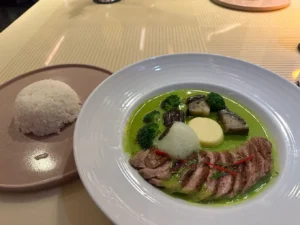
For example, the Basil Leaf Kra Pao with Rib Eye Beef combines Thai basil, garlic, chili, jasmine rice, and a fried egg with rib-eye beef.
The Red Curry River Prawn combines river prawns with Thai red curry and eggplant.
The Spaghetti Khe Mao Seafood combines spaghetti with Thai-inspired spicy flavors, prawns, squid, and clams.
These examples show how a restaurant can combine different culinary influences while offering recognizable menu choices.
A Simple Restaurant Evaluation Checklist
Before choosing a restaurant, ask yourself:
✓ Does the menu suit me?
✓ Does it offer enough variety?
✓ Are recent reviews generally consistent?
✓ Does the atmosphere fit my occasion?
✓ Is the location convenient?
✓ Are dietary requirements manageable?
✓ Is the price appropriate for my budget?
✓ Can the restaurant accommodate my group?
✓ Are reservations available if needed?
✓ Does the overall experience match what I’m looking for?
If the answer to most of these questions is yes, you have a clearer basis for deciding whether the restaurant is suitable for your needs.
Frequently Asked Questions
How can you tell if a restaurant is good?
Look at several factors together, including food quality, service, cleanliness, atmosphere, menu variety, recent reviews, location, and value.
Are restaurant reviews reliable?
Reviews can provide useful information, but it’s better to look for recurring patterns across multiple recent reviews rather than relying on a single review or overall rating.
What should I look for in a restaurant menu?
Look for a menu that matches your preferences, offers appropriate variety, clearly describes dishes, and provides suitable options for your group.
Is an expensive restaurant always better?
Not necessarily. Price and quality are separate considerations. The right restaurant depends on your expectations, preferences, occasion, and budget.
What makes a restaurant good for groups?
A restaurant can be suitable for groups when it has enough seating, a varied menu, sharing options, appropriate service, and the ability to accommodate dietary requirements and special requests.
Final Thoughts
Knowing how to tell if a restaurant is good is less about finding one perfect rating and more about looking at the complete dining experience.
Consider the food, menu, service, atmosphere, cleanliness, location, reviews, and value.
Most importantly, think about what you actually need from the restaurant.
A quiet restaurant may be perfect for a date but less suitable for a large celebration.
A restaurant with a broad menu may work well for a group with different preferences.
A specialized restaurant may be a better choice when you’re looking for a particular type of cuisine.
In Bangkok, the range of restaurants means there are plenty of options for different occasions and dining preferences.
If you’re looking for Thai-inspired flavors combined with international cuisine, Indulge Fusion Food & Cocktail Bar offers a varied menu covering sharing dishes, signature mains, comfort food, desserts, and drinks.
Explore the Indulge menu and see whether it fits your next dining experience in Bangkok.