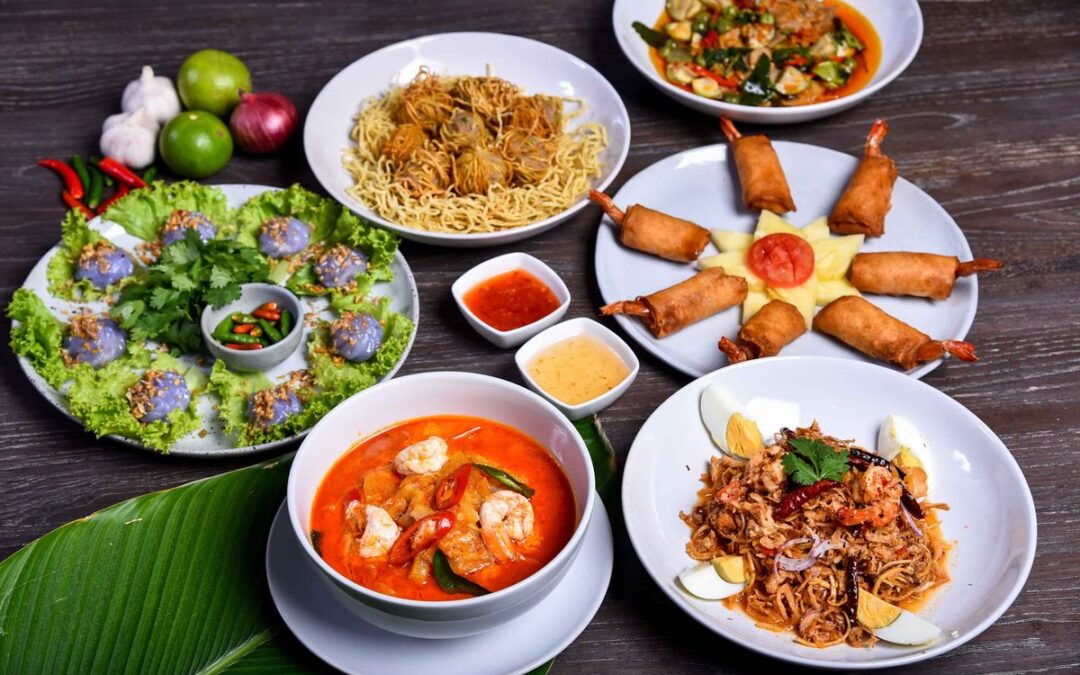
One of the most interesting things about Thai cuisine is the way different tastes come together in a single dish.
Thai food is often described as spicy, but chili is only one part of the picture. A well-balanced Thai dish can combine sweetness, sourness, saltiness, heat, and bitterness, with herbs and aromatic ingredients adding another layer of character.
This balance is a big part of what makes Thai food so distinctive.
Instead of allowing one taste to dominate, Thai cooking often brings contrasting flavors together. Lime can cut through richness, tamarind can add acidity, fish sauce provides saltiness and depth, palm sugar contributes sweetness, and chilies bring heat.
Understanding these five flavors makes it easier to appreciate Thai food beyond simply asking whether a dish is spicy.
Why Balance Matters in Thai Cuisine
Thai cooking is often about contrast.
A rich curry can be balanced with something sour. A sweet element can soften the sharpness of chili. Salt can bring out the flavor of herbs and other ingredients, while bitterness can add complexity to certain dishes.
This does not mean that every Thai dish contains all five flavors in equal amounts.
Some dishes may focus heavily on sourness and spice, while others may be sweeter or more savory. The balance depends on the recipe, ingredients, region, and cooking style.
This variety is also why exploring Thai cuisine can take you well beyond the familiar dishes found on international Thai menus.
If you want a broader introduction to classic Thai cooking, our guide to traditional Thai dishes covers some of the country’s better-known preparations.
1. Sweet: More Than Just Sugar
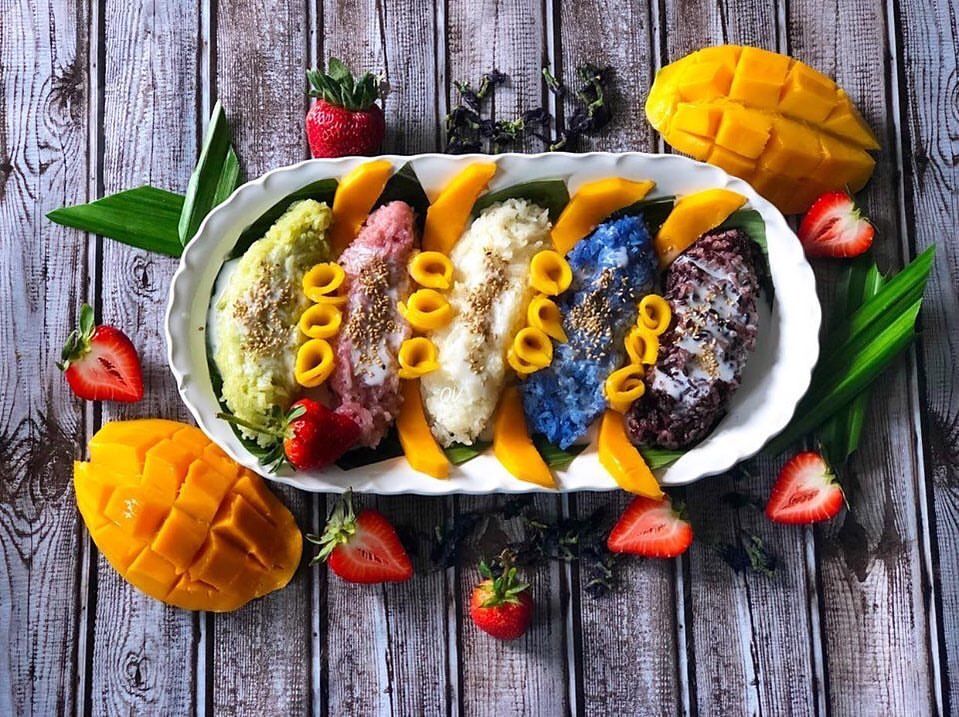
Sweetness plays an important supporting role in many Thai dishes.
Palm sugar, coconut sugar, fruit, coconut milk, and other naturally sweet ingredients can contribute sweetness depending on the recipe.
The purpose is not necessarily to make the dish taste like dessert.
Instead, sweetness can balance other strong flavors.
Think about a dish containing chili and lime. Without some balance, the acidity and heat could become overwhelming. A touch of sweetness can soften those sharper notes and create a more rounded flavor.
This is particularly noticeable in sauces, dressings, marinades, and certain curries.
Thai desserts also make much more direct use of sweetness, often incorporating coconut milk, sticky rice, tropical fruit, and other ingredients.
But sweetness is not limited to the dessert section of Thai cuisine.
It can be an important part of savory dishes as well.
2. Sour: The Bright Side of Thai Food
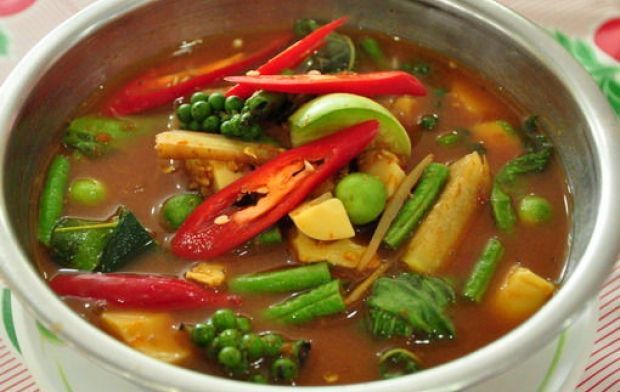
Sourness gives Thai food some of its freshness.
Lime is one of the most familiar ingredients associated with this flavor, but tamarind, green mango, and other acidic ingredients can also contribute.
Sourness is particularly important in soups, salads, sauces, and some curries.
Tom Yum is a familiar example. Its characteristic flavor comes from the combination of aromatic herbs, chili, and sourness rather than from heat alone.
Gaeng Som is another example where sourness plays an important role alongside chili and savory ingredients.
This contrast is one reason Thai dishes can feel lively and refreshing even when they contain strong spices.
If you’re interested specifically in Thai soups, our guide to Thai soups you should try provides another useful look at how herbs, spice, acidity, and broth work together.
3. Salty: The Foundation of Savory Flavor
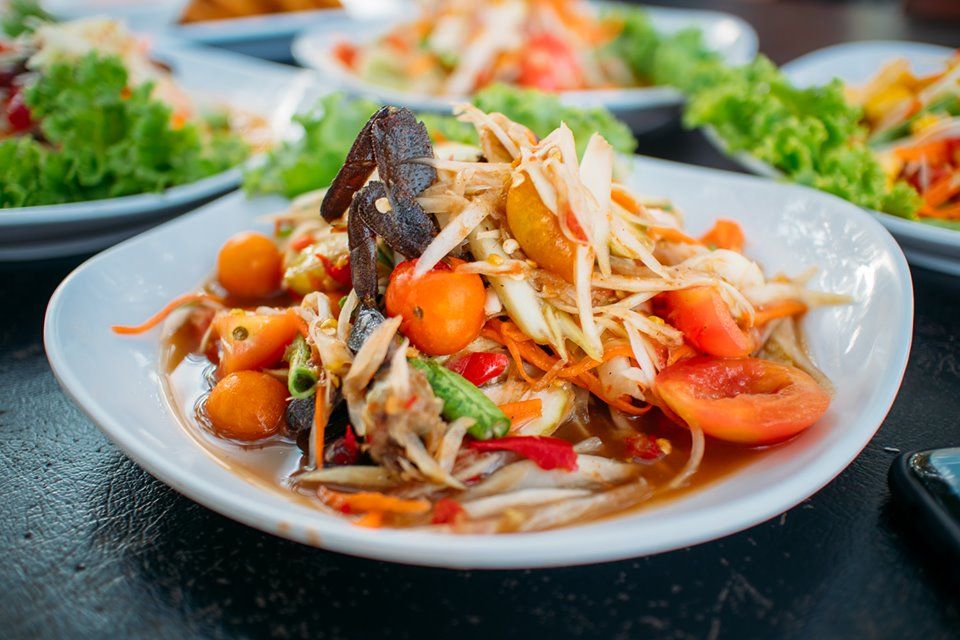
Saltiness provides depth to Thai food.
Fish sauce is one of the most recognizable ingredients used to add saltiness and umami to Thai dishes, while soy sauce and other seasonings can also be used depending on the recipe.
Salt does more than simply make food taste salty.
It can bring out the natural flavor of other ingredients and help balance sweetness, sourness, and chili.
This is particularly noticeable in dishes such as stir-fries, salads, sauces, and noodle dishes.
However, saltiness needs to be controlled carefully.
Too little seasoning can make a dish taste flat, while too much can overpower the herbs, spices, and other flavors.
The skill lies in bringing everything into balance.
For visitors exploring Thai cuisine, this is one reason dishes that appear simple can have surprisingly complex flavors.
4. Spicy: Heat With Purpose
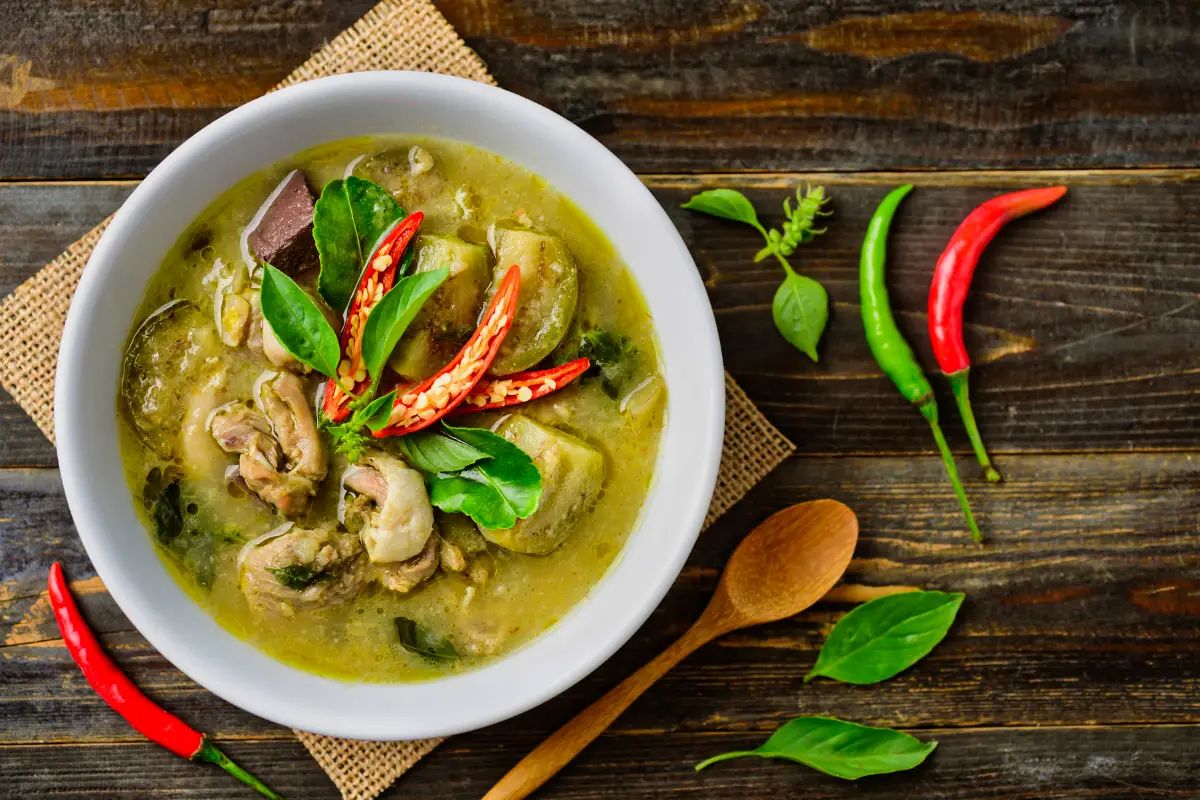
Chili is probably the flavor most people associate with Thai cuisine.
Fresh chilies, dried chilies, chili pastes, and curry pastes can all contribute heat to Thai dishes.
But good Thai cooking does not use chili simply to make food hot.
The heat works alongside other flavors.
Chili can be combined with lime to create sharpness, with garlic and herbs for aroma, or with coconut milk and curry paste for a richer profile.
The level of heat can also vary considerably between dishes.
Some recipes are naturally mild, while others are famous for being intensely spicy.
If you want to explore the hotter side of Thai cuisine, read our guide to spicy Thai dishes.
For an even narrower look at dishes known for particularly high levels of heat, our guide to the hottest Thai dishes explores several chili-heavy Thai preparations.
5. Bitter: The Flavor That Adds Complexity
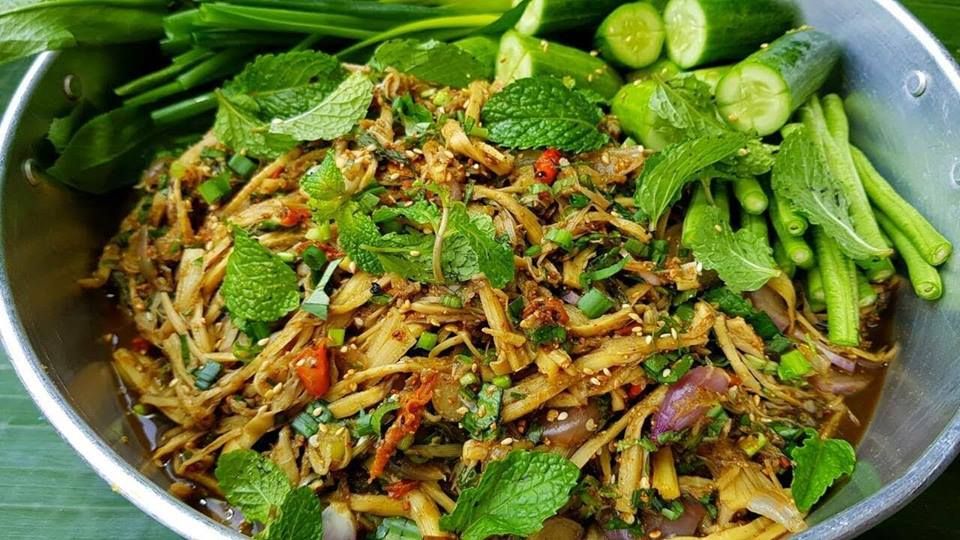
Bitter flavors are less frequently discussed when people talk about Thai cuisine, but they still have a place in the country’s cooking.
Certain vegetables, herbs, fruits, and other ingredients can introduce bitterness.
Unlike sweetness or sourness, bitterness can be more subtle.
It can add depth to a dish and create contrast with stronger flavors.
Thai cuisine does not always aim to eliminate bitter notes. In some preparations, they are part of the intended flavor profile.
This is another example of why Thai food is more complex than simply being spicy or sweet.
Different tastes can work together even when they initially seem like opposites.
Thai Herbs Add Another Layer of Flavor
Although the five flavors are useful for understanding Thai food, they do not tell the entire story.
Aromatic ingredients play a huge role.
Lemongrass, galangal, Thai basil, kaffir lime leaves, garlic, coriander, and other herbs and spices can dramatically change the character of a dish.
Lemongrass, for example, has a fresh citrus-like aroma that works particularly well with soups, curries, marinades, and drinks.
If you’re interested in the role of this ingredient, our guide to lemongrass in Thai cuisine explores why it is so widely used.
These aromatic ingredients are one reason two dishes with similar levels of sweetness, sourness, saltiness, and spice can still taste completely different.
How the Five Flavors Work Together
The real character of Thai food comes from the relationship between these flavors.
Consider a simple example: a dish containing chili and lime.
The chili provides heat.
The lime introduces sourness.
A little palm sugar can provide sweetness.
Fish sauce adds saltiness and savory depth.
Fresh herbs then add aroma.
The result is much more complex than any one ingredient could create on its own.
This is the principle behind many Thai recipes.
Rather than relying on one dominant flavor, different ingredients are combined to create contrast and balance.
That balance also explains why Thai food can be so adaptable.
A chef can adjust the amount of lime, chili, sugar, or seasoning to change the character of the dish without completely changing its identity.
Regional Thai Cuisine Uses These Flavors Differently
The five flavors appear throughout Thailand, but regional cooking traditions use them in different ways.
Southern Thai cuisine is often associated with strong curries, chili, herbs, and seafood.
Central Thai cooking includes a wide variety of curries, soups, stir-fries, and other dishes where sweet, salty, sour, and spicy elements can be combined.
Northern Thai cuisine has its own distinctive ingredients and preparations, while northeastern Isan food is known for dishes that often combine acidity, chili, herbs, and fermented ingredients.
These differences are important because there is no single flavor profile that represents every Thai dish.
Our Regional Thai Food Guide looks more closely at the characteristics of different parts of Thailand.
Why Thai Food Can Taste Different From One Restaurant to Another
Even when two restaurants prepare the same Thai dish, the final flavor can be different.
One chef may use more lime, another may prefer a sweeter balance, while another may use more chili or herbs.
Ingredient quality also matters.
Fresh herbs, chilies, seafood, vegetables, and citrus can all affect the final result.
Cooking technique matters as well.
A curry paste that is freshly prepared can have a different aromatic quality from a commercial paste, while high-heat wok cooking can create flavors that cannot be achieved through slower cooking.
This is why trying the same style of Thai dish at different restaurants can be an interesting part of exploring Bangkok’s food scene.
Experiencing Thai-Inspired Flavors at Indulge
The concept of balancing different Thai flavors also appears in contemporary Bangkok dining.
At Indulge Fusion Food & Cocktail Bar, Thai-inspired flavors are incorporated into a broader menu that also includes seafood, premium meats, international comfort food, sharing plates, desserts, and drinks.
The Basil Leaf Kra Phao with Rib Eye Beef combines rib-eye beef with Thai basil, garlic, chili, jasmine rice, and a fried egg.
It brings together several familiar Thai ingredients while using a premium beef cut as the main ingredient.
The Red Curry River Prawn provides another example, pairing river prawns with spicy Thai red curry and eggplant confit.
These dishes offer a contemporary way to experience Thai-inspired flavor combinations while still having access to a much wider international menu.
Thai-Inspired Flavors Across the Indulge Menu
Thai influences are not limited to the main courses.
The menu also includes dishes where Thai ingredients and flavors are combined with international formats.
The Spaghetti Khe Mao Seafood, for example, combines spicy Thai-style flavors with prawns, squid, and clams.
The Papilotte Salmon is served with tom yum bouillon, bringing the familiar aromatic and sour-spicy profile associated with tom yum into a different preparation.
These dishes demonstrate how Thai flavor principles can work outside traditional Thai recipes.
For guests who want to explore more of the restaurant’s main dishes, the Signature Mains menu provides the complete selection.
For seafood lovers, our guide to seafood restaurants in Bangkok also covers the seafood side of Indulge’s menu.
Thai Flavors and Drinks at Indulge
Food is only part of the experience at Indulge.
The drinks menu also includes combinations that draw from Thai ingredients and flavors.
Thai basil, lemongrass, citrus, tropical fruits, and other ingredients can bring familiar aromas into cocktails and non-alcoholic drinks.
This creates another connection between Thai food and contemporary dining.
If you are interested in Bangkok’s cocktail scene, our guide to the best cocktail bars in Bangkok explores signature drinks and cocktail experiences, including Indulge.
Understanding Thai Food Makes Dining More Interesting
Once you understand the five basic flavors, you can start paying more attention to what is happening in your food.
Instead of simply noticing that a dish is spicy, you may recognize the acidity from lime or tamarind.
Instead of describing a curry as sweet, you may notice how sweetness balances chili and saltiness.
Instead of focusing only on the main ingredient, you may notice how herbs and aromatic spices change the overall experience.
This is one of the best ways to become more familiar with Thai cuisine.
You don’t need to know every ingredient before ordering.
Simply understanding the basic flavor structure can make it easier to choose dishes and appreciate what arrives at the table.
Explore the Flavors of Thai-Inspired Dining at Indulge
For diners who want to experience Thai-inspired flavors without limiting themselves to a traditional Thai menu, Indulge offers plenty of variety.
Guests can begin with Starters & Sharing, move on to Thai-inspired mains or international dishes, and then choose from desserts and drinks.
The restaurant’s menu also makes it possible for groups with different preferences to dine together.
One person can choose a Thai-inspired dish, another can order seafood, while someone else can choose pasta, steak, or another international option.
For guests planning a celebration or group occasion, the private events and group dining options provide another way to experience the restaurant.
Final Thoughts
The five flavors of Thai food—sweet, sour, salty, spicy, and bitter—provide a useful way to understand the balance behind Thai cuisine.
Not every dish contains all five flavors, and they are not always present in equal amounts.
What matters is how they work together.
Chili can bring heat, lime can add acidity, palm sugar can provide balance, fish sauce can deepen savory flavors, and herbs can bring freshness and aroma.
Once you start recognizing these relationships, Thai food becomes much more than simply “spicy food.”
And if you want to experience Thai-inspired flavors alongside seafood, international dishes, cocktails, sharing plates, and desserts, Indulge Fusion Food & Cocktail Bar offers a contemporary way to explore those flavors in Bangkok.
Explore the Indulge menu and discover your own favorite combination of Thai-inspired flavors.