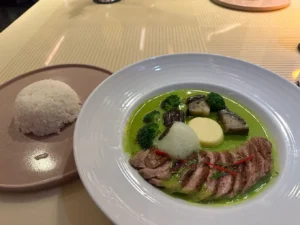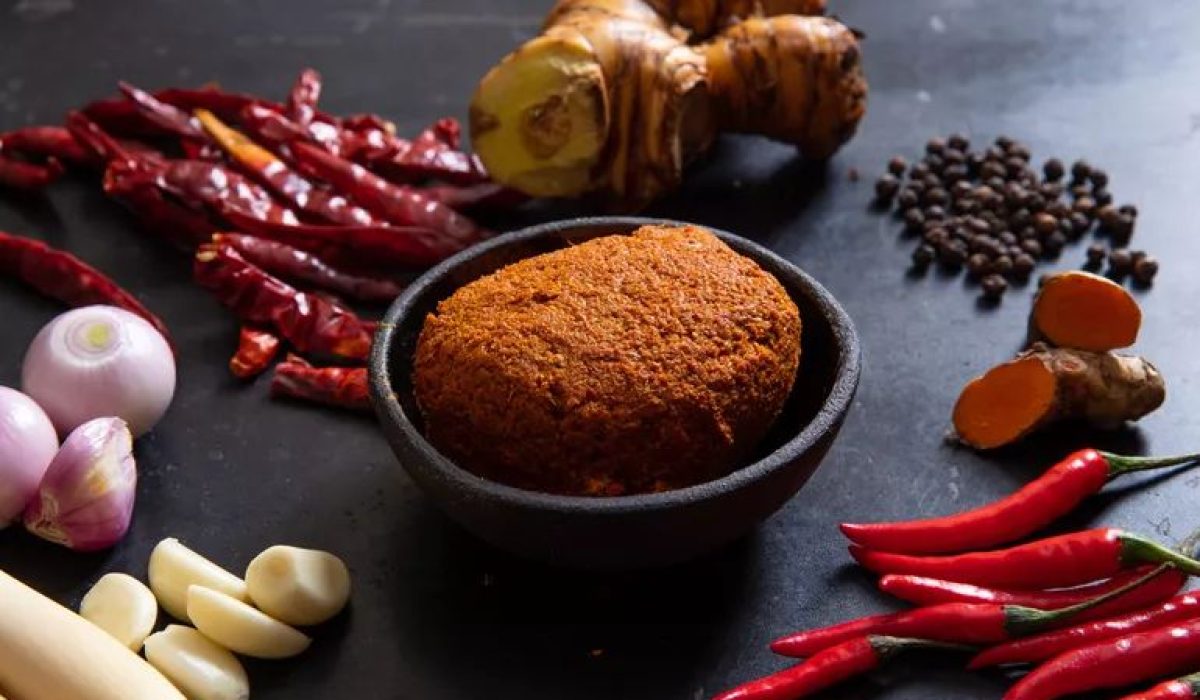
Thai curry is known for its aromatic pastes, herbs, spices, chilies, and rich combinations of savory and fragrant ingredients.
But there is no single recipe for Thai curry.
Red curry, green curry, yellow curry, Massaman curry, and southern Thai curries can all have very different flavors because the ingredients and preparation methods change from one recipe to another.
What they share is the use of carefully combined ingredients to create depth.
Understanding the main Thai curry ingredients can make it easier to appreciate why these dishes taste so distinctive and why even two curries with similar colors can have completely different flavor profiles.
From lemongrass and galangal to chilies, garlic, and coconut milk, here are eight ingredients that play an important role in Thai curry.
What Gives Thai Curry Its Distinctive Flavor?
Thai curry is generally built around a combination of aromatic ingredients that are ground or blended into a curry paste.
The paste then becomes the foundation for the dish.
Depending on the curry, it may contain chilies, herbs, roots, spices, garlic, shallots, and other ingredients.
The curry paste is then cooked with ingredients such as coconut milk, meat, seafood, vegetables, or tofu.
The final flavor depends on the balance between these components.
Some curries are hot and herbal, while others are richer, sweeter, earthier, or more aromatic.
That variety is one of the reasons Thai curry is such an interesting part of Thai cuisine.
1. Chilies: The Source of Heat
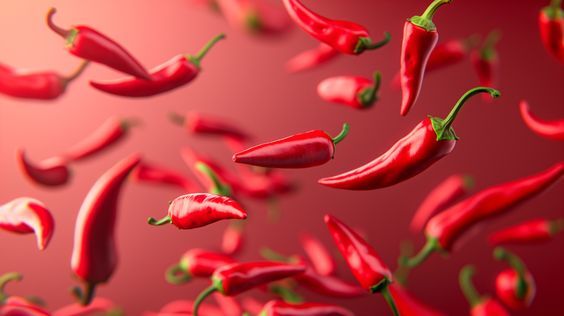
Chilies are among the most recognizable ingredients in Thai curry.
Fresh and dried chilies can be used depending on the recipe, and different varieties can produce different levels of heat and flavor.
Red curry paste, for example, typically gets much of its color and heat from red chilies, while green curry uses fresh green chilies.
But chili does more than make curry spicy.
It contributes flavor and helps establish the overall character of the curry paste.
The amount used can also vary significantly, which is why two versions of the same curry may have noticeably different levels of heat.
If you want to explore Thai dishes where chili plays a particularly prominent role, our guide to spicy Thai dishes provides a useful comparison.
2. Lemongrass: Fresh Citrus-Like Aroma

Lemongrass is one of the most recognizable aromatic ingredients in Thai cooking.
Its fresh citrus-like aroma can add brightness to curry pastes and other Thai dishes.
It is often combined with ingredients such as chilies, garlic, galangal, and shallots to create a complex aromatic base.
Lemongrass is also used beyond curry.
It can appear in soups, marinades, sauces, salads, and drinks.
This versatility makes it one of the ingredients worth learning about if you want to understand Thai cuisine.
Our guide to lemongrass in Thai cuisine explores the ingredient and its role in Thai cooking in greater detail.
3. Galangal: An Earthy Aromatic Ingredient
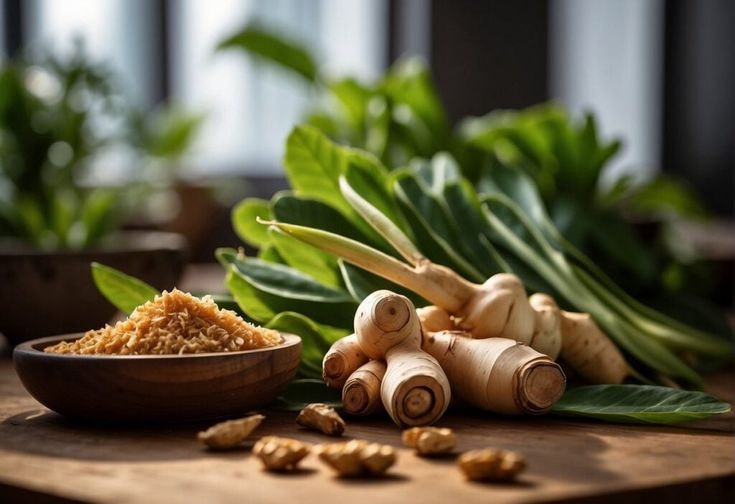
Galangal is a root commonly associated with Southeast Asian cooking.
Although it can resemble ginger, its flavor and aroma are distinctive.
In Thai curry pastes, galangal contributes an earthy and aromatic quality that works alongside chilies, lemongrass, garlic, and other ingredients.
It is also commonly associated with Thai soups and other preparations.
The ingredient demonstrates an important feature of Thai curry: the flavor comes from a combination of aromatics rather than a single dominant spice.
That combination gives curry paste its depth.
4. Garlic: Savory Depth and Aroma
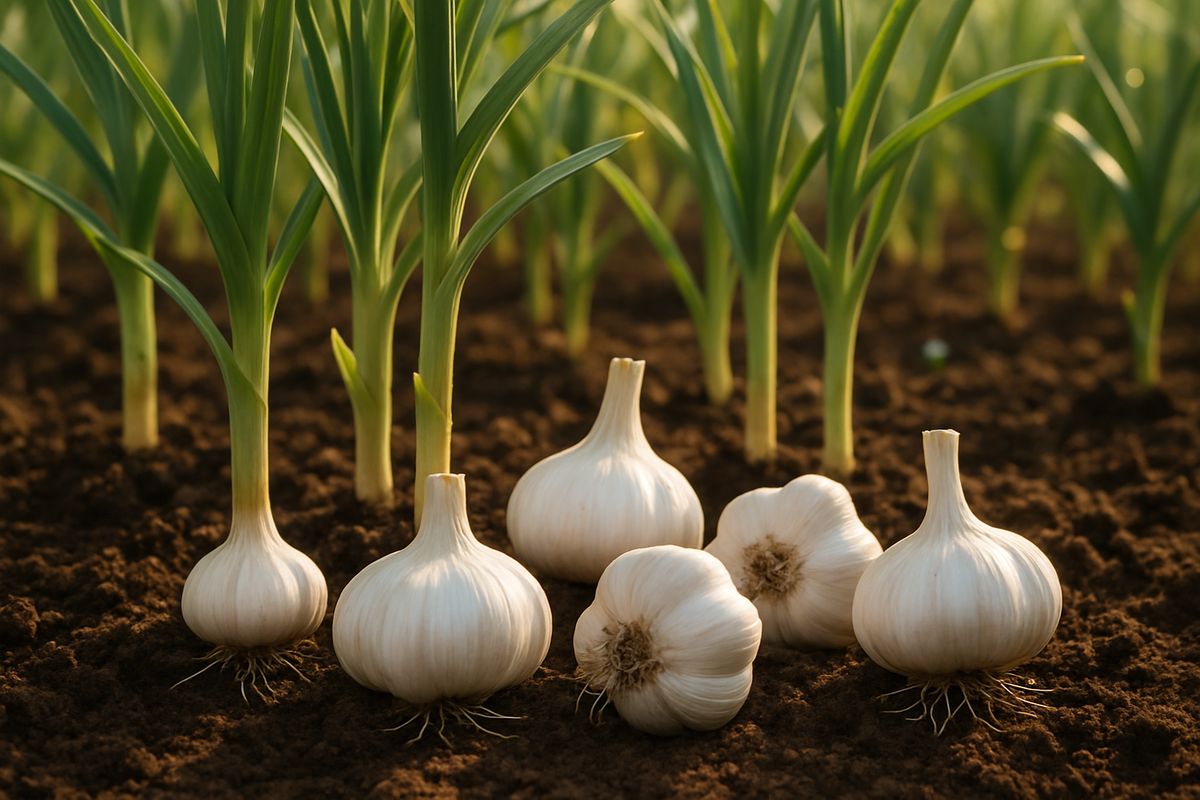
Garlic is another common ingredient in Thai curry pastes.
Its strong aroma becomes softer and more savory when cooked, helping build the foundation of the curry.
Garlic can be combined with chilies, shallots, lemongrass, galangal, and other ingredients before being incorporated into a curry paste.
The result is a more rounded flavor.
Garlic is also widely used throughout Thai cooking, appearing in stir-fries, marinades, sauces, noodle dishes, and other recipes.
This makes it one of the ingredients that connects curry with the wider traditions of Thai cooking.
5. Shallots: Sweetness and Aromatic Character
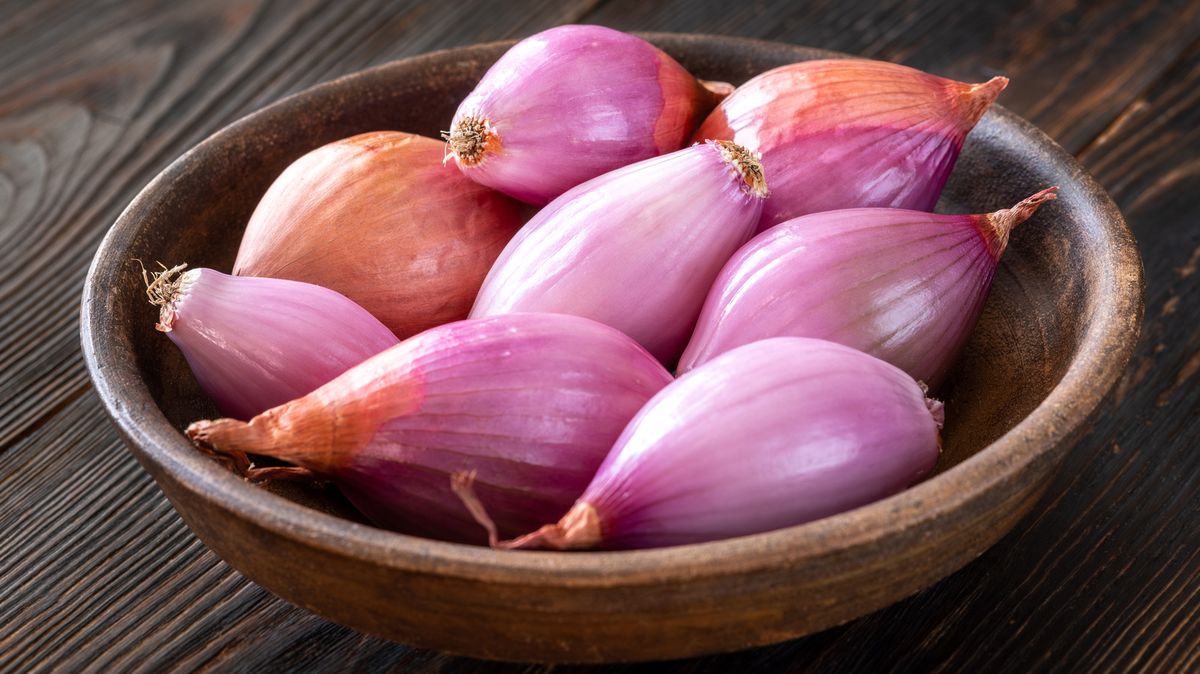
Bowl of shallot onions on the wooden background
Shallots can contribute both aroma and a subtle sweetness to Thai curry paste.
They are often combined with garlic and other aromatics to create a flavorful base.
When cooked, shallots develop a softer and sweeter character, helping balance the heat from chilies and the stronger notes of other ingredients.
This is a good example of how Thai curry achieves balance.
The final dish is not simply a combination of hot ingredients.
Different components contribute heat, sweetness, acidity, aroma, saltiness, and depth.
6. Kaffir Lime Leaves: Fragrant Citrus Notes
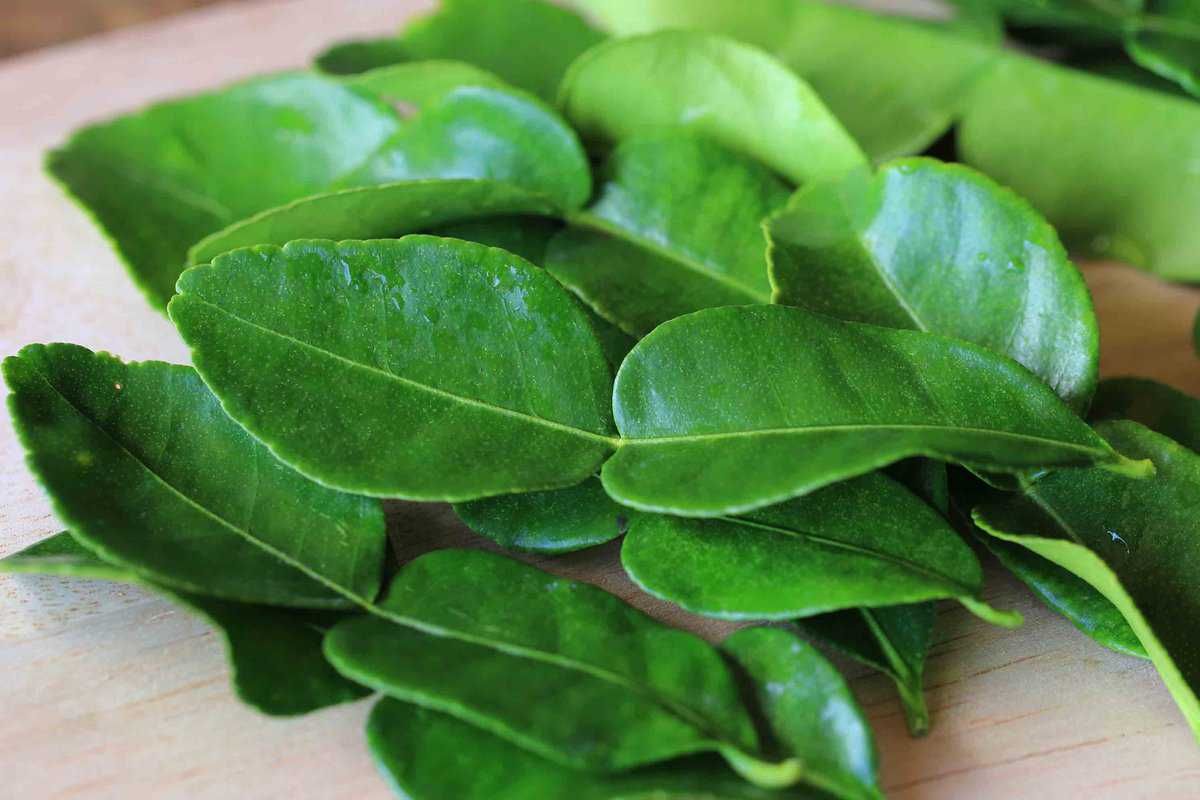
Kaffir lime leaves are traditionally used in many Thai dishes and are valued for their strong citrus aroma.
They can be added to curries and soups to provide fragrance and freshness.
The leaves are particularly useful in rich dishes because their aromatic quality helps provide contrast against heavier ingredients.
Their distinctive aroma is one of the characteristics that can make a Thai curry immediately recognizable.
They also appear in other Thai preparations, making them another useful ingredient to know when exploring Thai food.
7. Thai Basil: Fresh Herbal Flavor

Thai basil contributes a distinctive herbal aroma and is used in a variety of Thai dishes.
It is particularly associated with dishes such as basil stir-fries, but basil can also complement curries and other preparations.
Its fresh herbal character can provide contrast against spicy and rich flavors.
Thai basil is also an excellent example of how herbs can become central to the identity of a dish rather than simply being used as decoration.
At Indulge, Thai basil is featured in the Basil Leaf Kra Phao with Rib Eye Beef, where it is combined with garlic, chili, jasmine rice, and rib-eye beef.
8. Coconut Milk: Richness and Balance
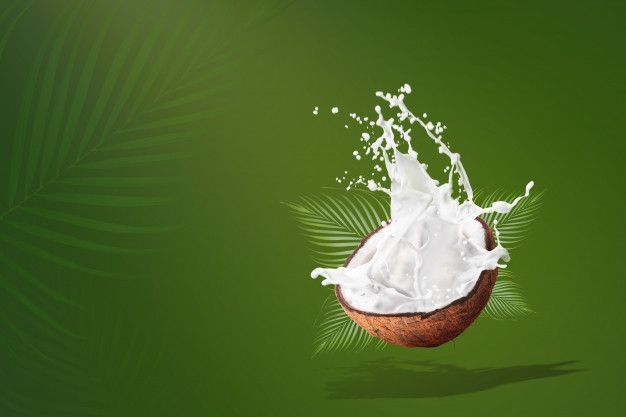
Coconut milk is one of the ingredients most closely associated with many Thai curries.
It provides richness and a creamy texture while helping balance the stronger flavors found in curry paste.
Coconut-based curries can therefore feel very different from thinner, broth-based Thai dishes.
However, not every Thai curry uses coconut milk in the same way.
Some regional Thai curries have a much lighter consistency, while southern Thai cuisine includes curry styles that can be particularly intense and spice-forward.
This is another reason it is useful to think of Thai curry as a collection of different styles rather than one single dish.
How Thai Curry Paste Brings Everything Together
The individual ingredients are important, but the real character of Thai curry comes from how they are combined.
Chilies provide heat.
Lemongrass brings a fresh aromatic note.
Galangal contributes earthiness.
Garlic and shallots provide savory depth.
Kaffir lime leaves contribute citrus fragrance.
Thai basil adds herbal character.
Coconut milk can provide richness and balance.
Together, these ingredients create something much more complex than any one ingredient could provide.
This is why curry paste is such an important part of Thai cooking.
The exact ingredients and proportions can vary depending on the type of curry and regional cooking traditions.
Red, Green and Yellow Curry: What’s the Difference?
The color of a Thai curry can provide a clue about its ingredients, but it does not tell you everything about its flavor.
Red Curry
Red curry typically uses red chilies in its paste and can have a rich, spicy, aromatic character.
It can be prepared with meat, seafood, vegetables, or other ingredients.
Green Curry
Green curry is commonly associated with fresh green chilies and aromatic herbs.
It can have a vibrant flavor and is often prepared with coconut milk.
Yellow Curry
Yellow curry typically has a warmer golden color associated with spices such as turmeric.
Its flavor can differ significantly from red and green curry.
There are also other Thai curry traditions, including Massaman and regional southern curries, each with their own ingredients and preparation methods.
Thai Curry Changes From Region to Region
Thai curry is not a single style of cooking.
Different parts of Thailand have developed their own curry traditions based on local ingredients and culinary influences.
Southern Thai curries are often known for strong flavors and generous use of chili and spices.
Central Thai cuisine includes a wide range of coconut-based curries and other preparations.
Northern and northeastern Thai food traditions have their own distinctive approaches.
If you want to explore how these regional differences affect Thai food, our Regional Thai Food Guide provides a broader overview.
Thai Curry Is About Balance, Not Just Spice
It is easy to describe Thai curry as spicy, but that misses much of what makes it interesting.
A good curry combines multiple elements.
The curry paste provides aromatic depth.
Chilies bring heat.
Herbs add freshness.
Coconut milk can provide richness.
Salt and savory ingredients help bring everything together.
Depending on the recipe, sourness and sweetness may also play important roles.
This is closely connected to the broader concept of Thai food flavors, where different tastes work together rather than existing independently.
Exploring Thai-Inspired Curry Flavors at Indulge
Thai curry is also an important influence on contemporary Bangkok dining.
At Indulge Fusion Food & Cocktail Bar, Thai-inspired dishes appear alongside international cuisine.
The restaurant’s Red Curry River Prawn combines wild-caught river prawns with spicy Thai red curry and eggplant confit.
This brings together a recognizable Thai curry flavor profile with premium seafood.
The menu also includes Red Curry Chicken Confit, combining chicken confit with Thai red curry flavors.
These dishes provide examples of how Thai curry flavors can be incorporated into a contemporary restaurant menu.
Thai Curry Flavors Beyond Traditional Curry Dishes
Thai-inspired cooking does not always require serving a traditional bowl of curry.
The flavors associated with Thai curry can be used in different formats.
At Indulge, Thai-inspired ingredients and flavors appear across the menu, including seafood, meat, sharing dishes, and other international-style preparations.
This approach gives diners the opportunity to explore Thai flavors without having to choose exclusively from traditional Thai dishes.
If you’re interested in exploring more of Indulge’s Thai-inspired main courses, the Signature Mains menu provides the best starting point.
What to Eat With Thai Curry
Thai curry is commonly served as part of a larger meal rather than eaten completely on its own.
Rice provides a neutral base that allows the curry’s flavors to stand out.
Other dishes can provide contrast through different textures and levels of spice.
Fresh vegetables, salads, seafood, grilled dishes, or sharing plates can all create a more varied meal.
At Indulge, guests can build a meal around several different categories.
The Starters & Sharing menu is useful for beginning with smaller dishes before moving to a main course.
For guests who want to explore the complete selection, the Indulge menu brings together the restaurant’s different food and drink categories.
Pairing Thai Curry With Drinks
A rich or spicy curry can also be paired with a refreshing drink.
Citrus, herbs, and tropical ingredients can provide an interesting contrast to dishes containing chili and aromatic spices.
Indulge’s drinks menu includes cocktails, mocktails, fresh beverages, coffee, tea, and other options.
For readers interested in the connection between Bangkok dining and cocktails, our guide to the best cocktail bars in Bangkok explores the city’s cocktail scene and Indulge’s signature drinks.
You can also explore the complete Drinks menu.
Choosing a Thai Curry
If you’re new to Thai curry, start by thinking about the flavors you already enjoy.
If you like heat, a chili-forward red or southern-style curry may be appealing.
If you prefer aromatic and creamy dishes, coconut-based curries can offer a richer experience.
If you’re interested in seafood, look for curry preparations using prawns, fish, or other seafood.
And if you are unsure about the spice level, ask before ordering.
The same type of curry can be prepared differently from one restaurant to another.
Explore Thai-Inspired Dining at Indulge
Indulge Fusion Food & Cocktail Bar offers a contemporary approach to Thai-inspired dining in Bangkok.
The menu combines Thai influences with international dishes, allowing diners to explore different flavors during the same visit.
Thai-inspired dishes sit alongside seafood, premium meats, pasta, burgers, sharing plates, desserts, cocktails, and other drinks.
This makes the restaurant particularly suitable for groups where different people want different styles of food.
For guests interested in Thai-inspired flavors, the Indulge menu is the best place to explore the current selection.
For group celebrations or private occasions, the private events and group dining options can also be explored.